
🗾 Discover Japan
Illustrated guides to scenic spots, iconic foods, seasonal festivals, and cultural treasures — written for curious visitors from around the world.
What is Japan?
Japan is an island nation in East Asia, stretching in a long arc off the northeastern coast of the Asian continent. The country is made up of 6,852 islands, though the vast majority of the population lives on the four main islands: Honshu, Hokkaido, Kyushu, and Shikoku. With a total area roughly the size of California, Japan is home to around 125 million people — and yet, nearly two-thirds of the land is covered by dense forest and mountains, making it one of the most strikingly natural countries in the industrialized world.
Japan's recorded history stretches back more than 2,000 years. The imperial family, which traces its lineage to the mythological sun goddess Amaterasu, is the oldest continuous monarchy in the world. Over the centuries, Japan developed a culture of extraordinary refinement — in pottery, textiles, architecture, poetry, theater, and cuisine — shaped by influences from China and Korea, and later from Europe, but always filtered through a distinctly Japanese sensibility that prized subtlety, craftsmanship, and the beauty of impermanence.
The concept of wabi-sabi (侘び寂び) — finding beauty in imperfection and transience — runs through nearly every Japanese art form, from the cracked glaze of a tea bowl to the fallen petals of a cherry blossom. Japan celebrates things not despite their brevity, but because of it. The sakura season lasts barely two weeks each spring, and that is precisely why millions of people gather beneath the trees every year.
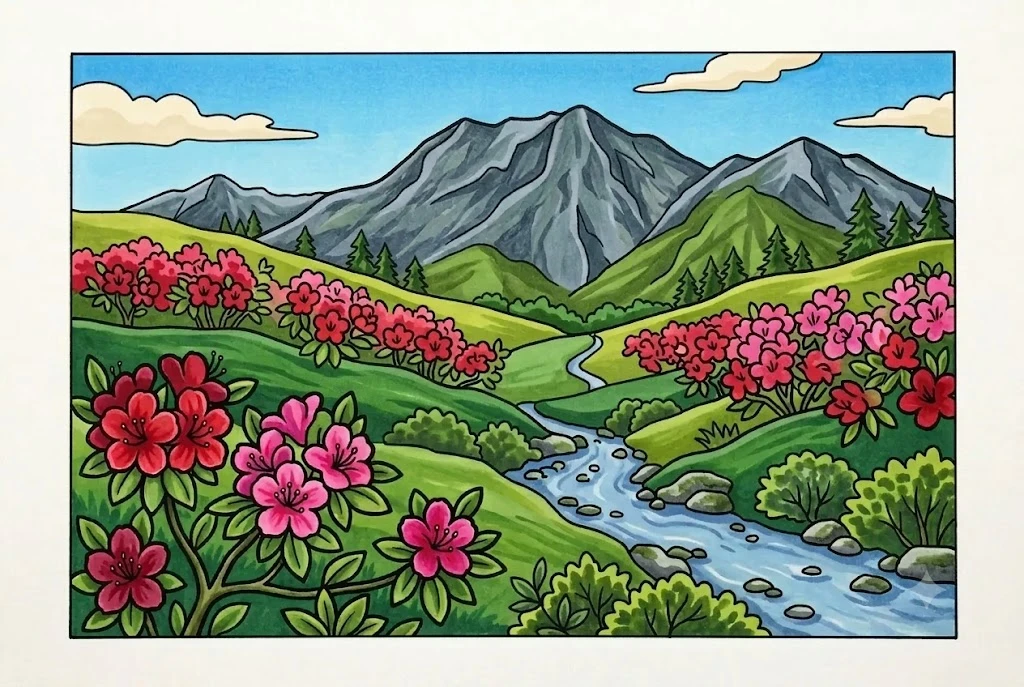
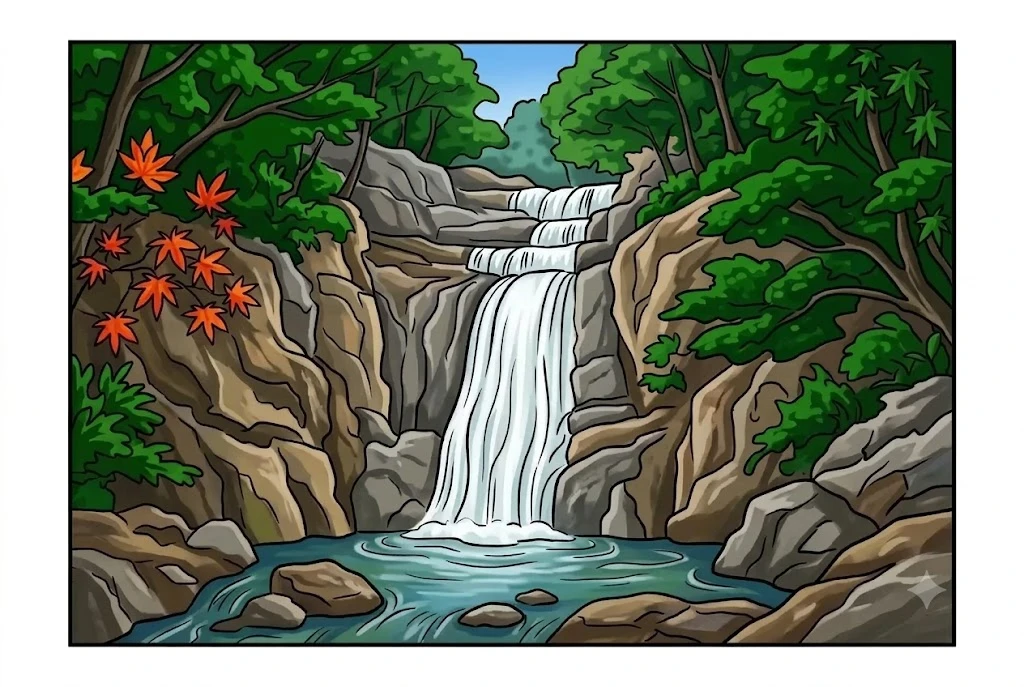
Japan has four distinct seasons, each with its own festivals, foods, and landscape. Spring brings cherry blossoms from south to north, followed by vivid azaleas and wisteria. Summer is the season of fireworks, bon odori dancing, and cicadas. Autumn sets the forests ablaze with maples and ginkgos — a spectacle rivaling the cherry blossoms in popularity. Winter brings heavy snowfall in the north and mountains, turning Hokkaido and the Japan Alps into a landscape from a woodblock print.
The country is divided into 47 prefectures (都道府県), each with its own regional character, dialect, cuisine, and points of pride. Kyoto, the ancient capital, preserves thousand-year-old temples and geisha traditions. Tokyo, the present capital and one of the world's largest cities, pulses with cutting-edge fashion, technology, and cuisine. Okinawa, far to the south, has its own language, music, and subtropical culture shaped by centuries of trade with Southeast Asia and China. And Hokkaido, in the far north, is a land of vast wilderness, volcanic peaks, and arguably the finest dairy products in Asia.
For visitors, Japan is famously safe, clean, and efficient. Trains run to the second. Convenience stores offer hot meals around the clock. Strangers will go out of their way to guide a lost tourist to their destination. This culture of hospitality — known as omotenashi (おもてなし) — is not a performance for tourists; it is simply how daily life is conducted. Whether you are visiting a five-star ryokan or a neighborhood ramen shop, you will be treated as a valued guest.
Japan is also a country of striking contrasts. Ancient shrines sit in the shadows of glass skyscrapers. Buddhist monks walk past neon-lit arcades. A farmer in rural Akita might own the latest smartphone model. This layering of old and new, rural and urban, is not a contradiction — it is the texture of modern Japan, and it is one of the things that makes the country endlessly fascinating to explore.
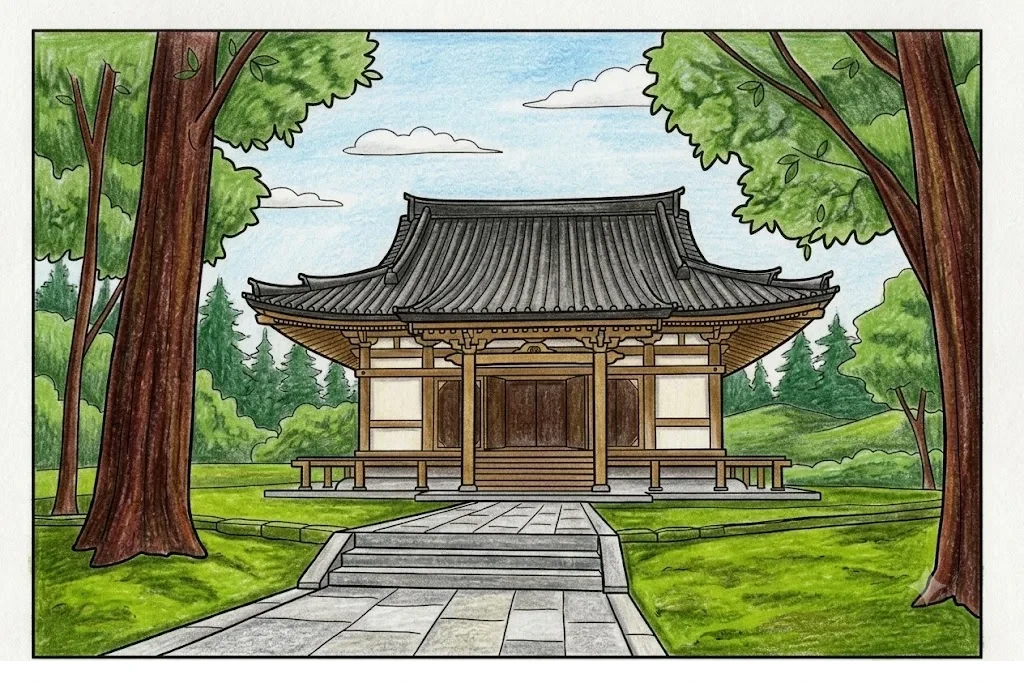
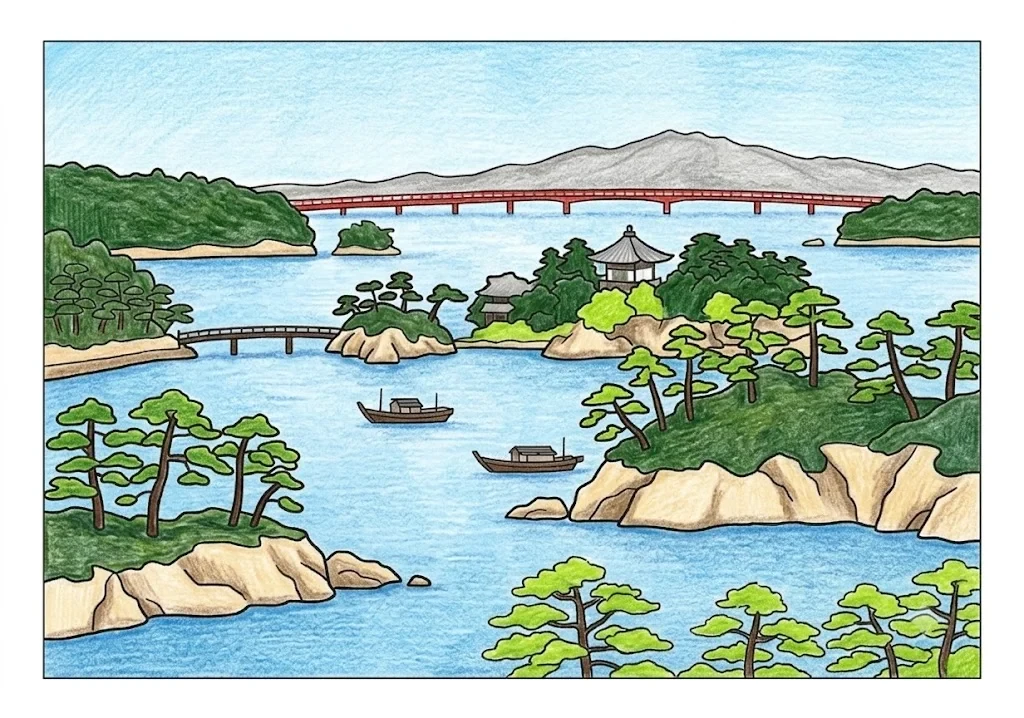
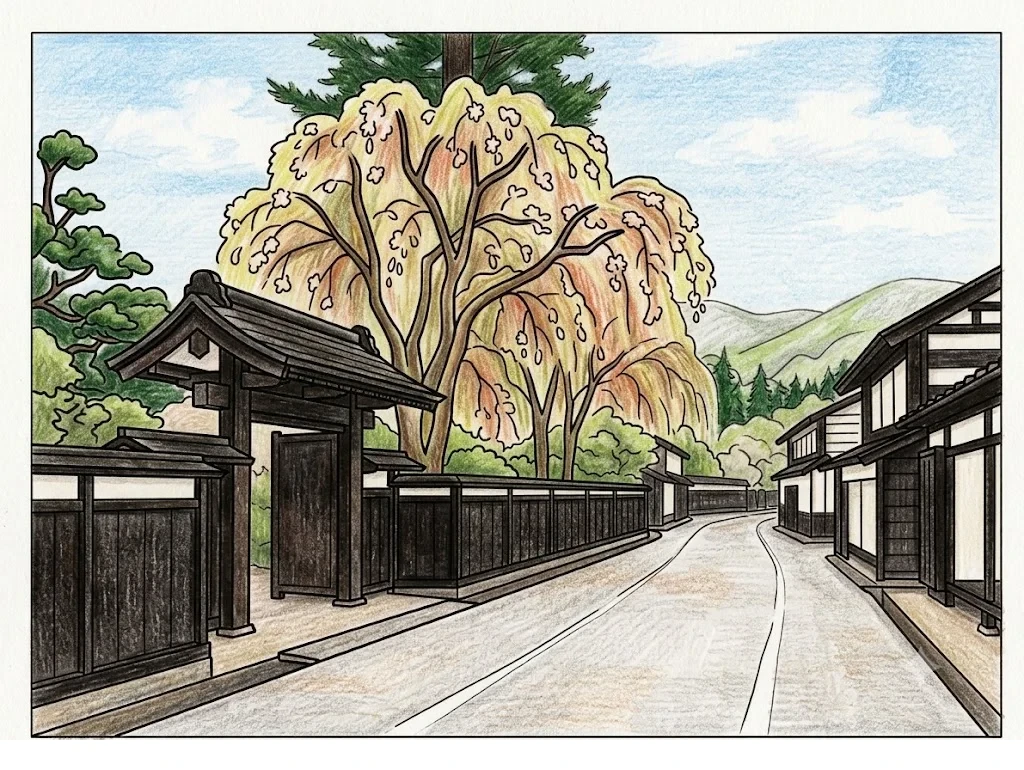
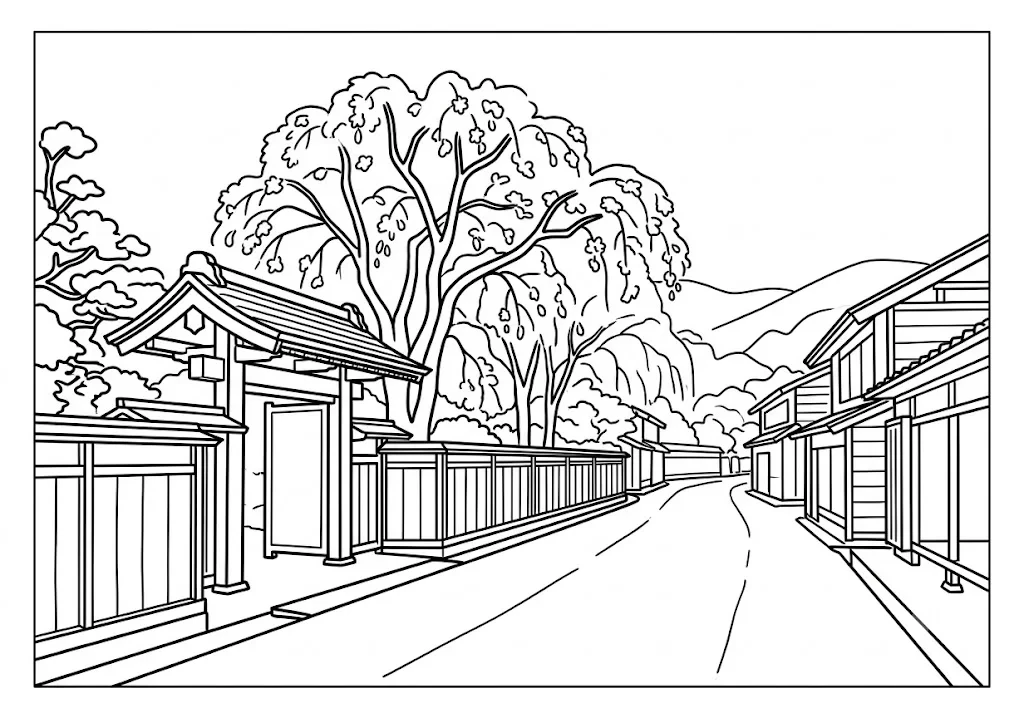
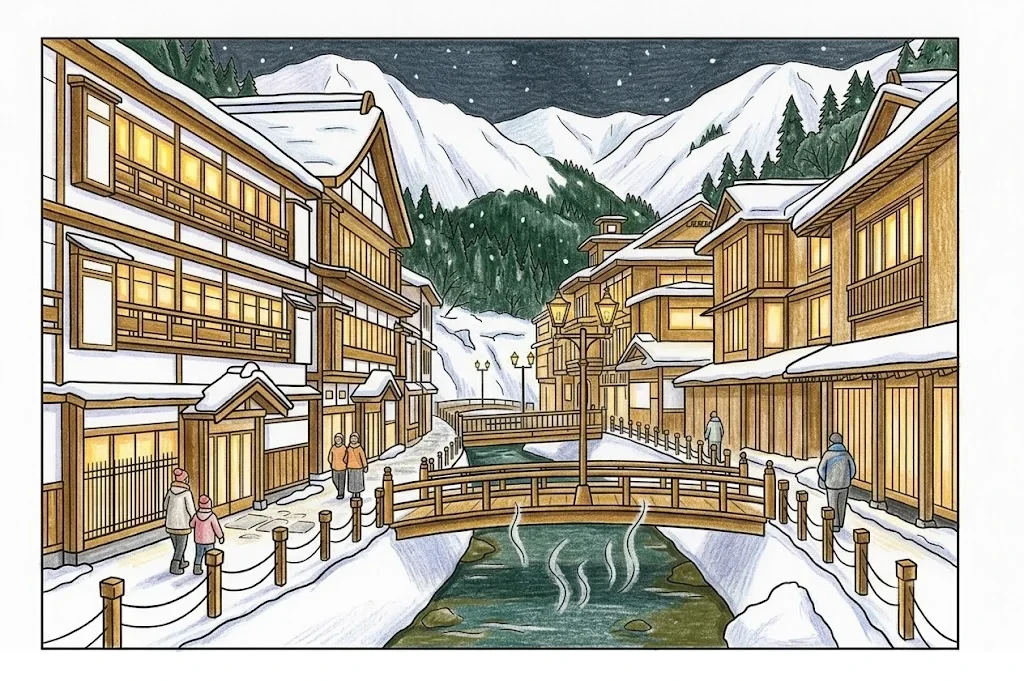
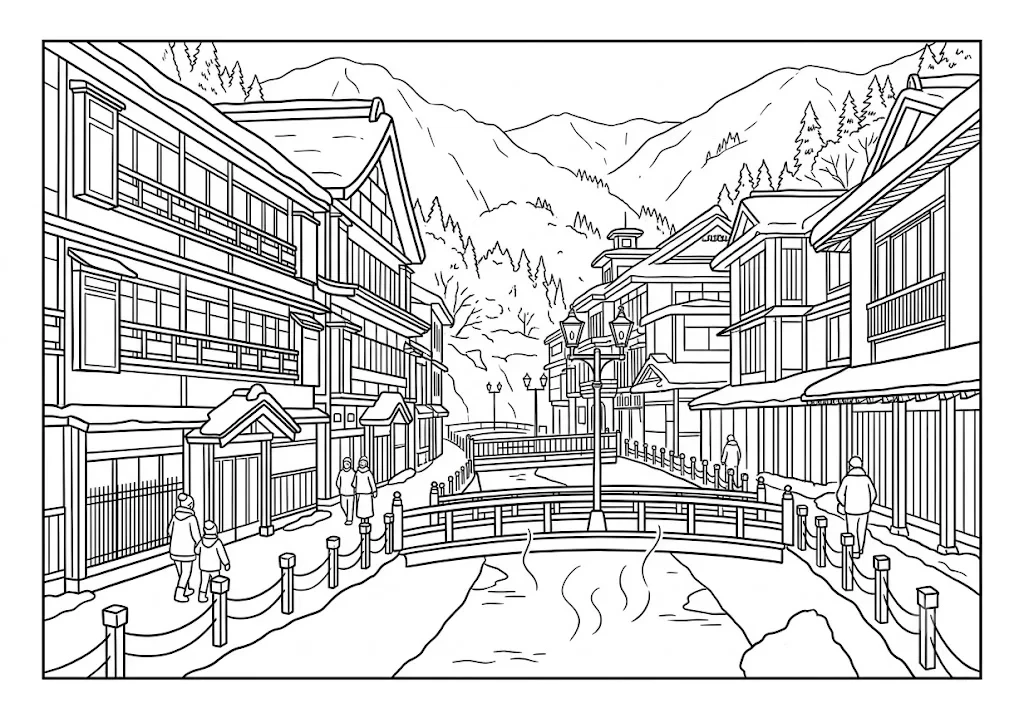
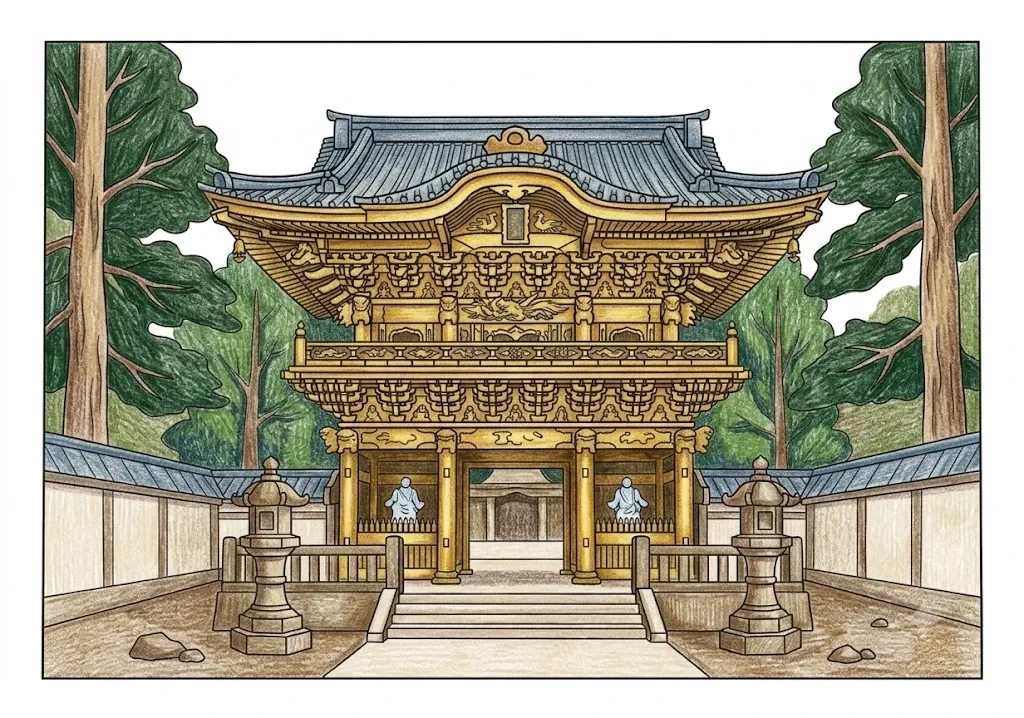
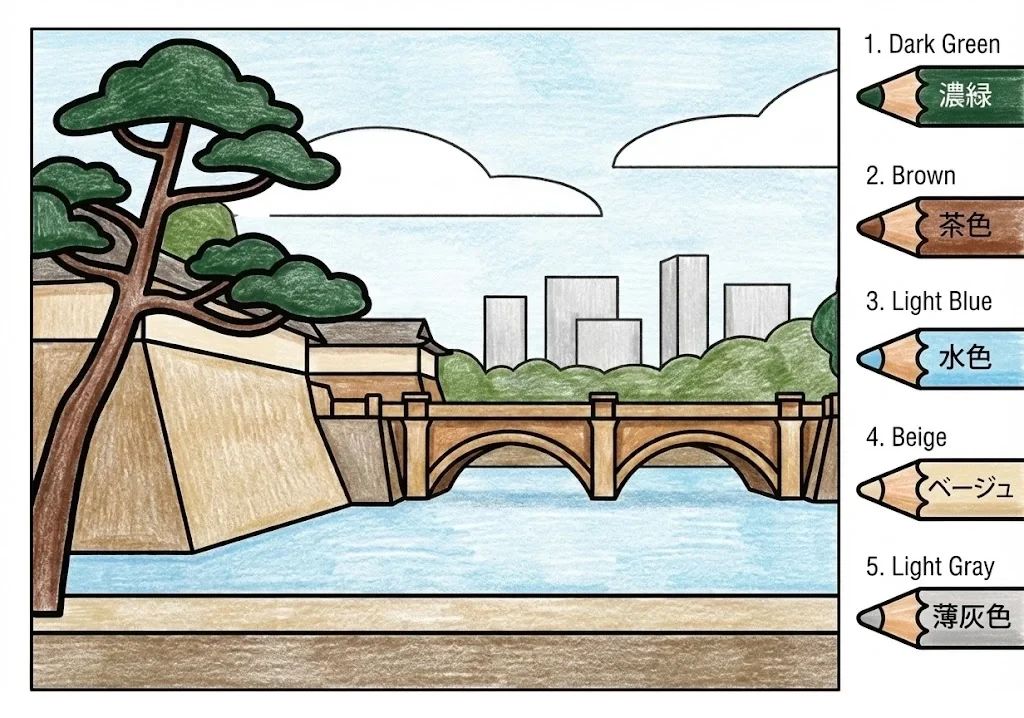
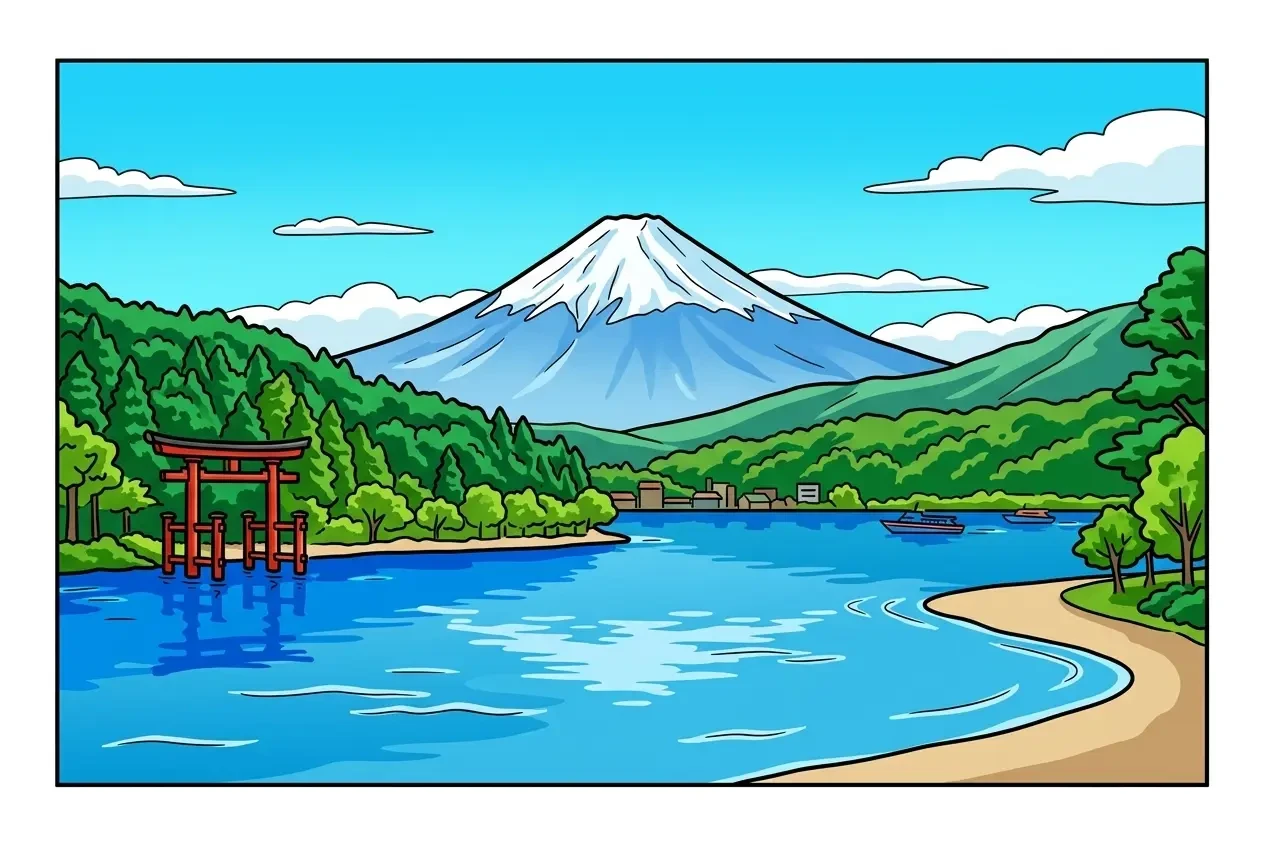
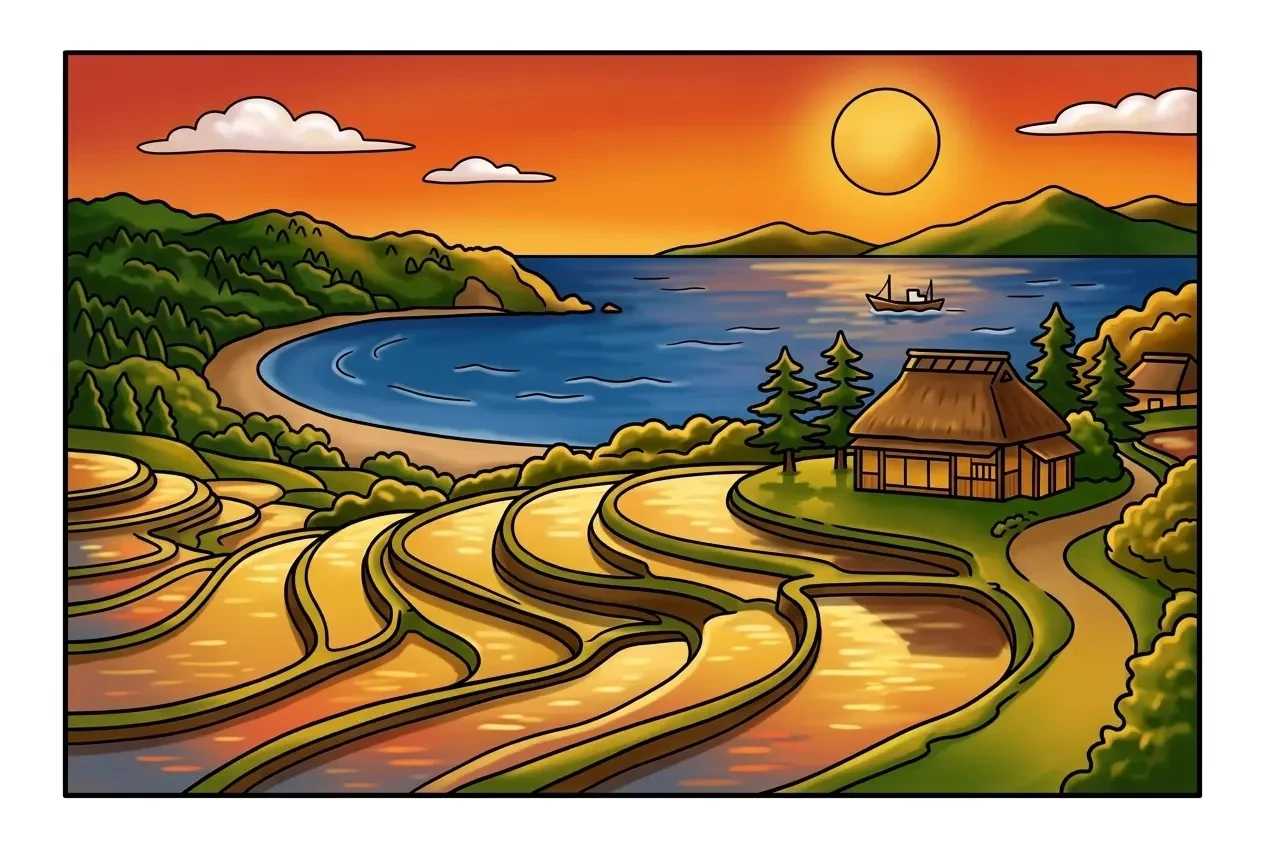
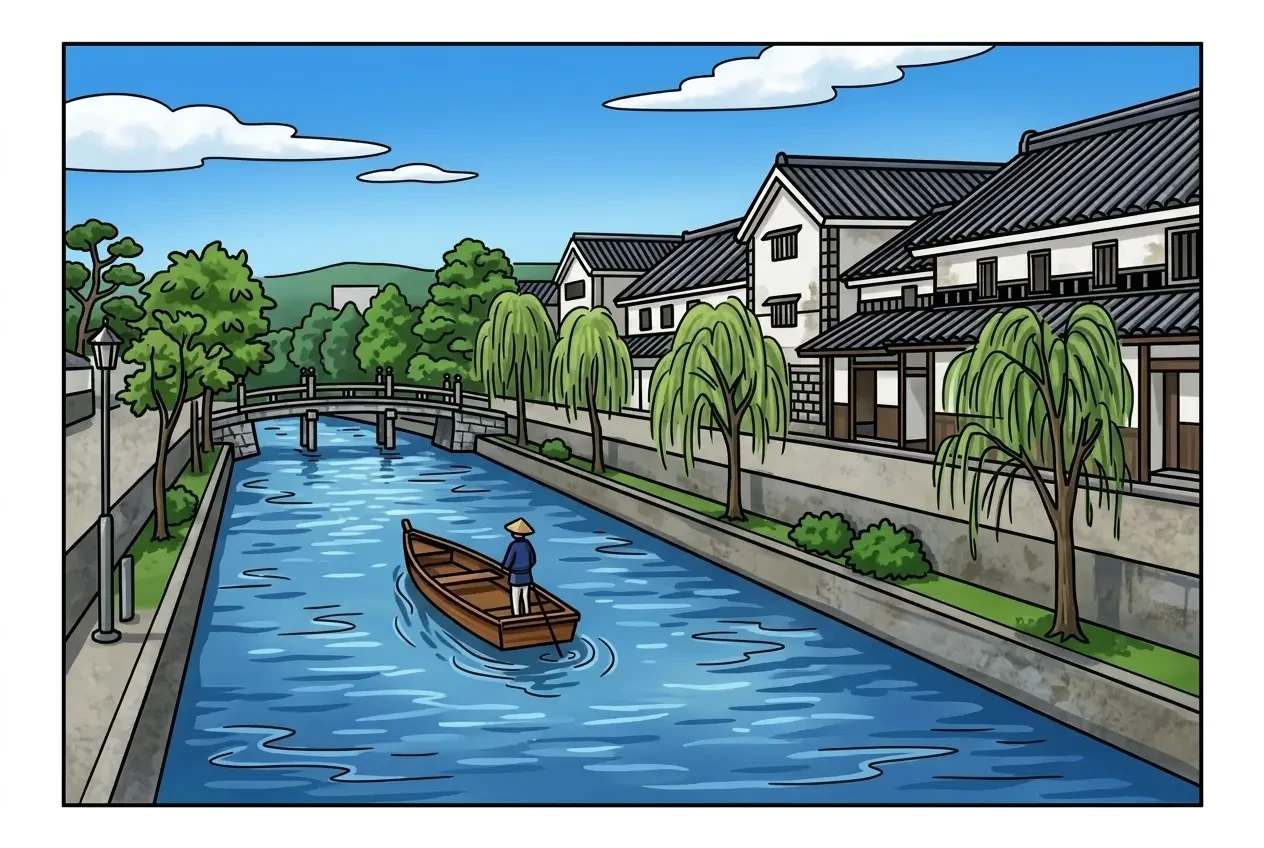
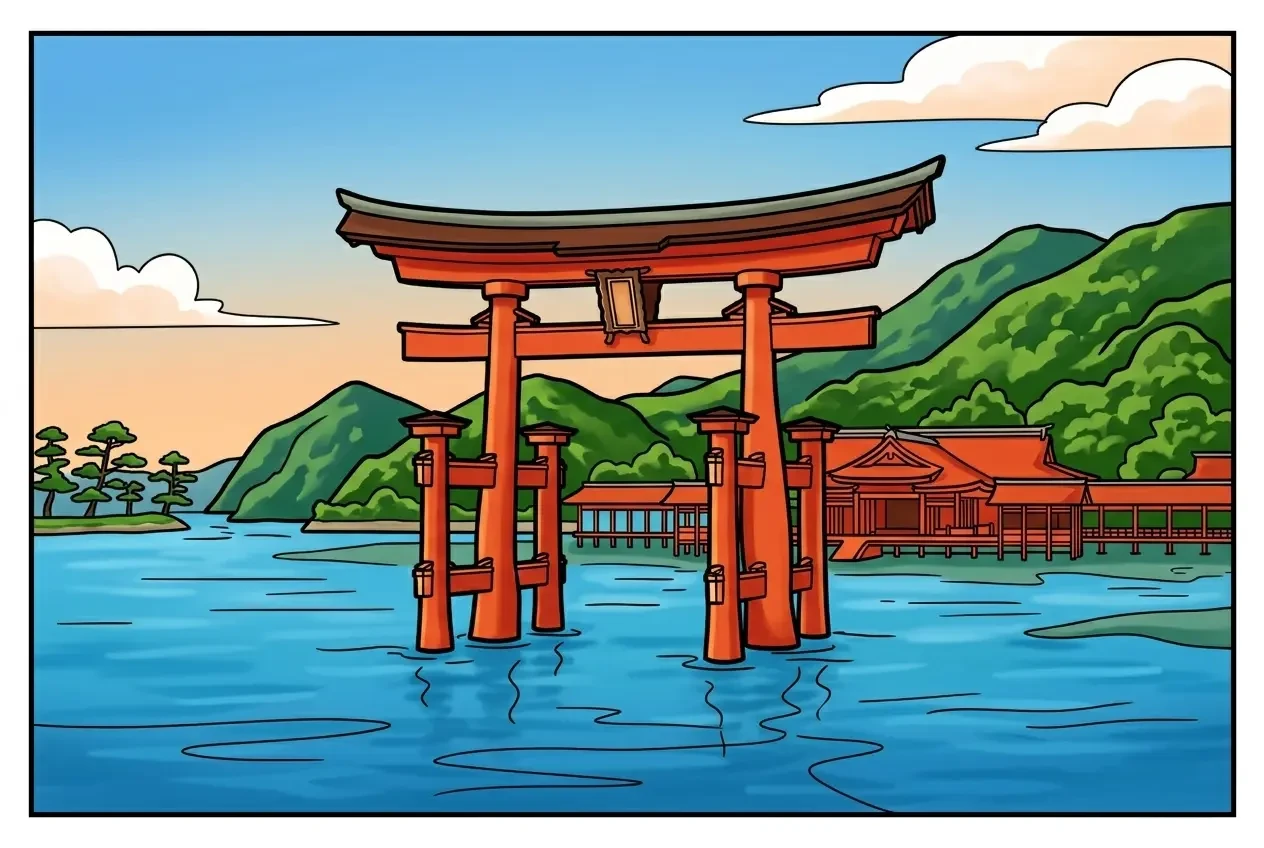
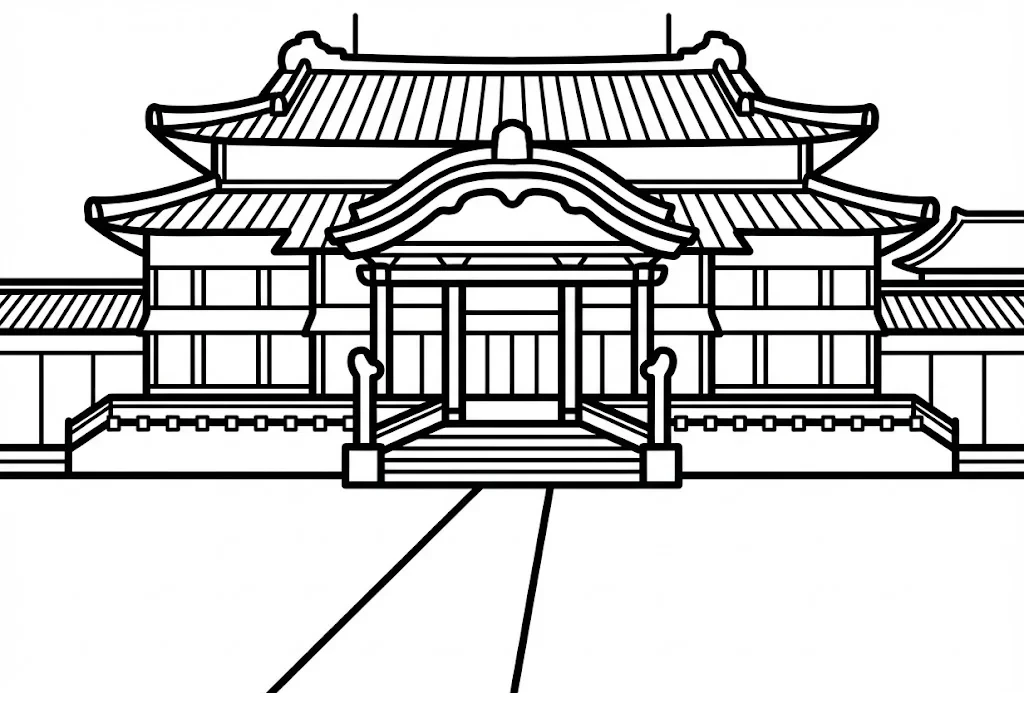
🗾 Japan's 47 Prefectures Tourism
















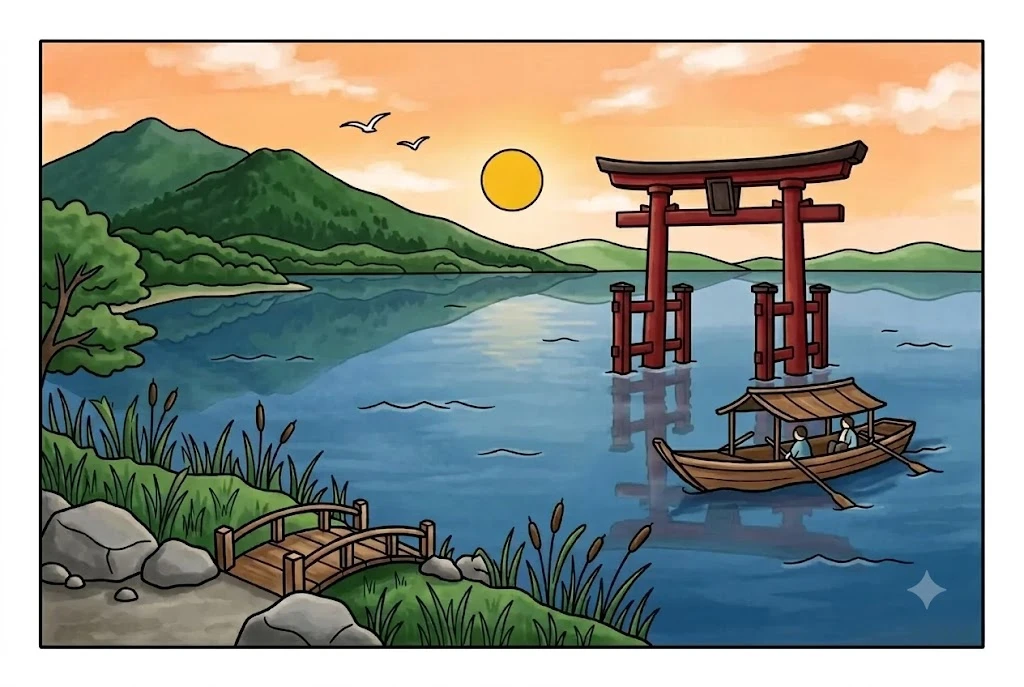
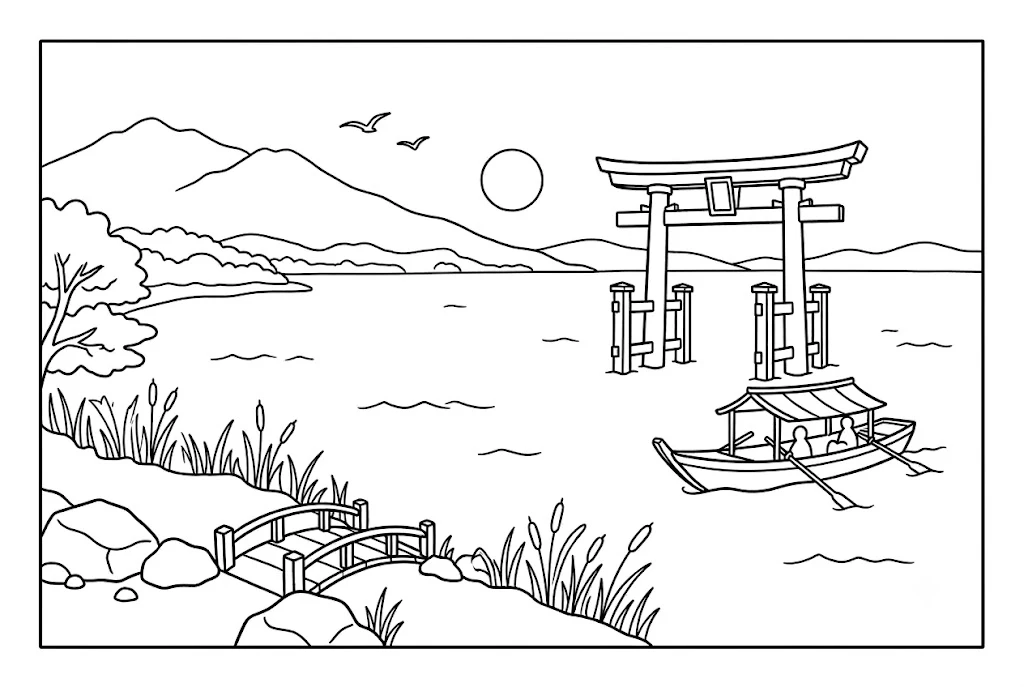
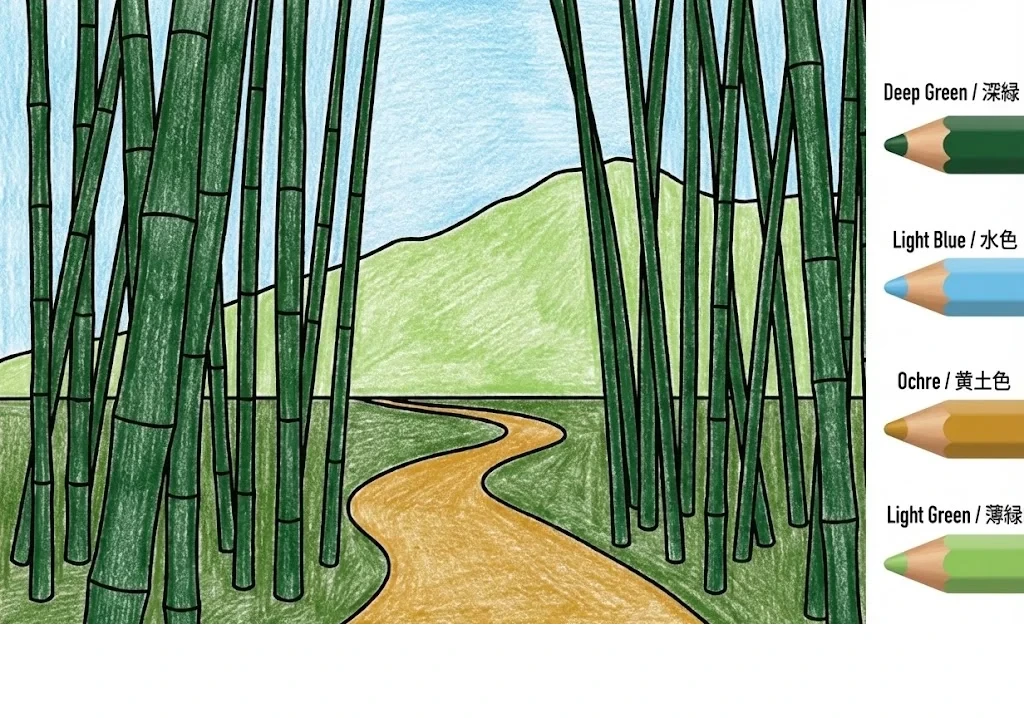
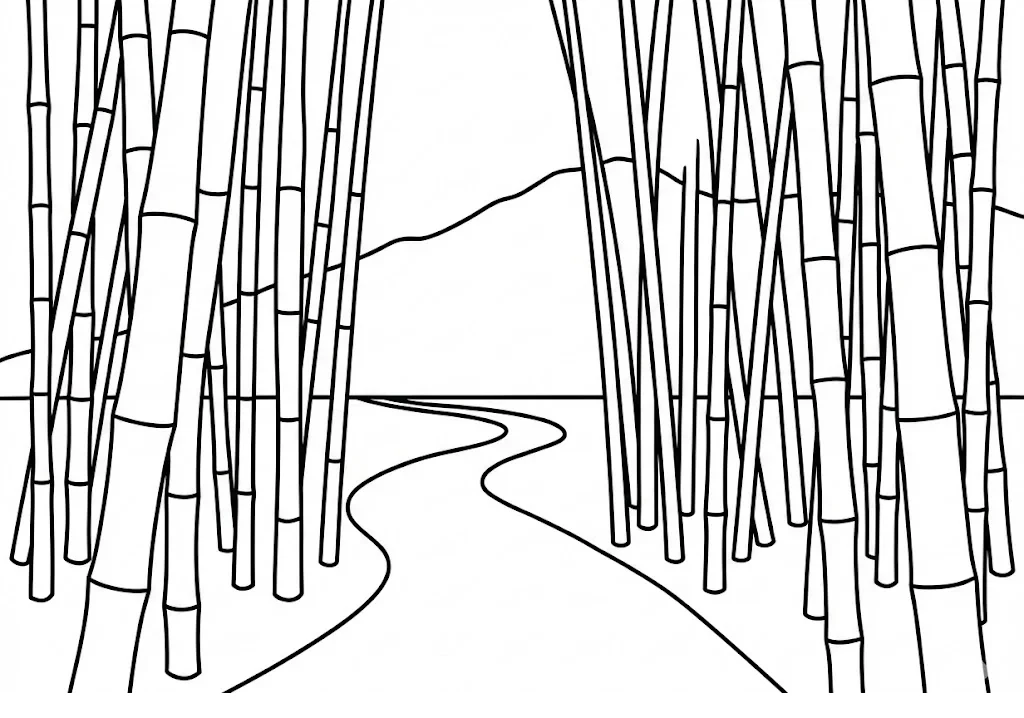


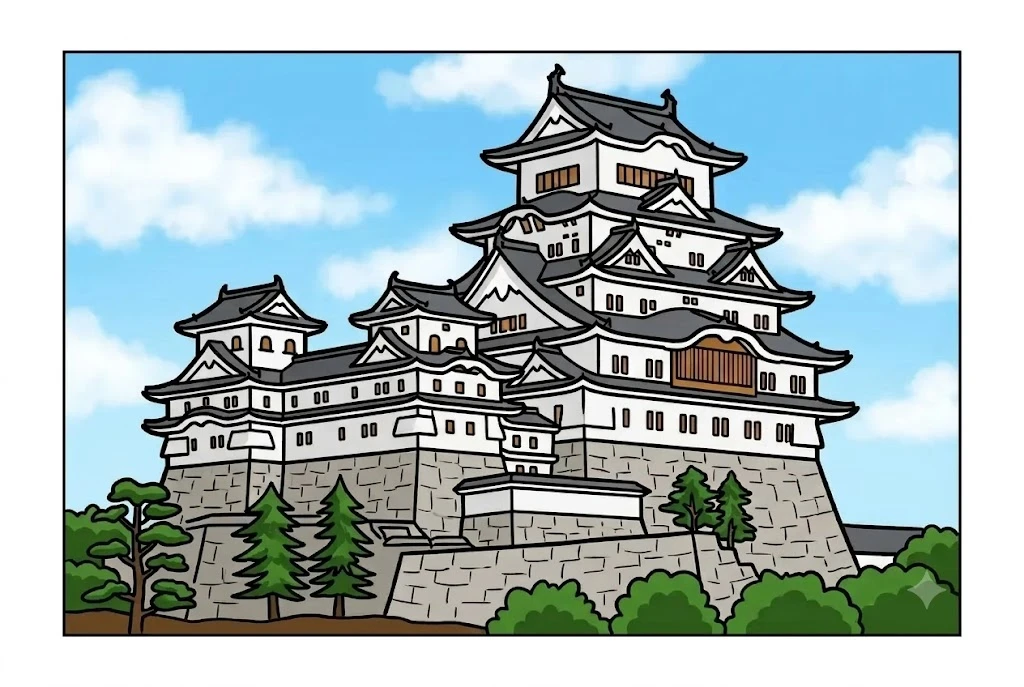
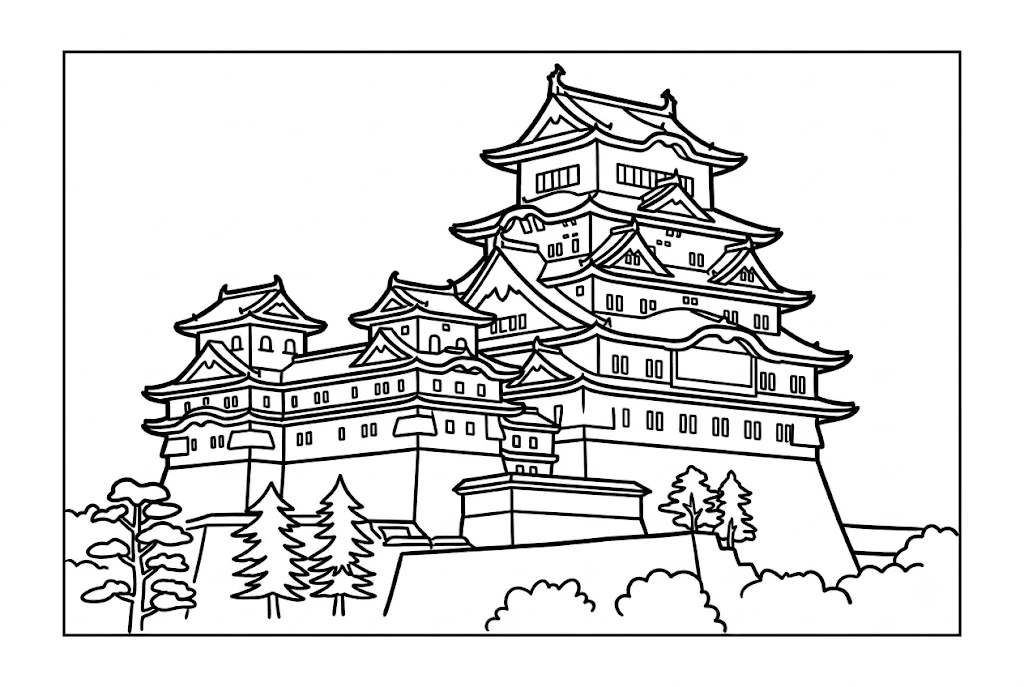
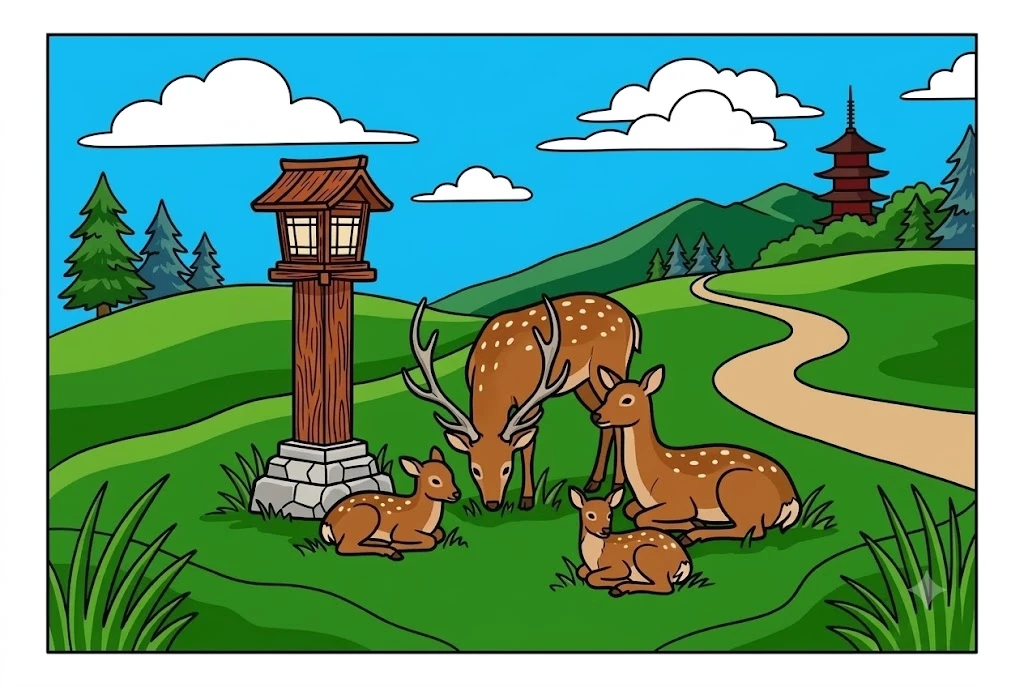
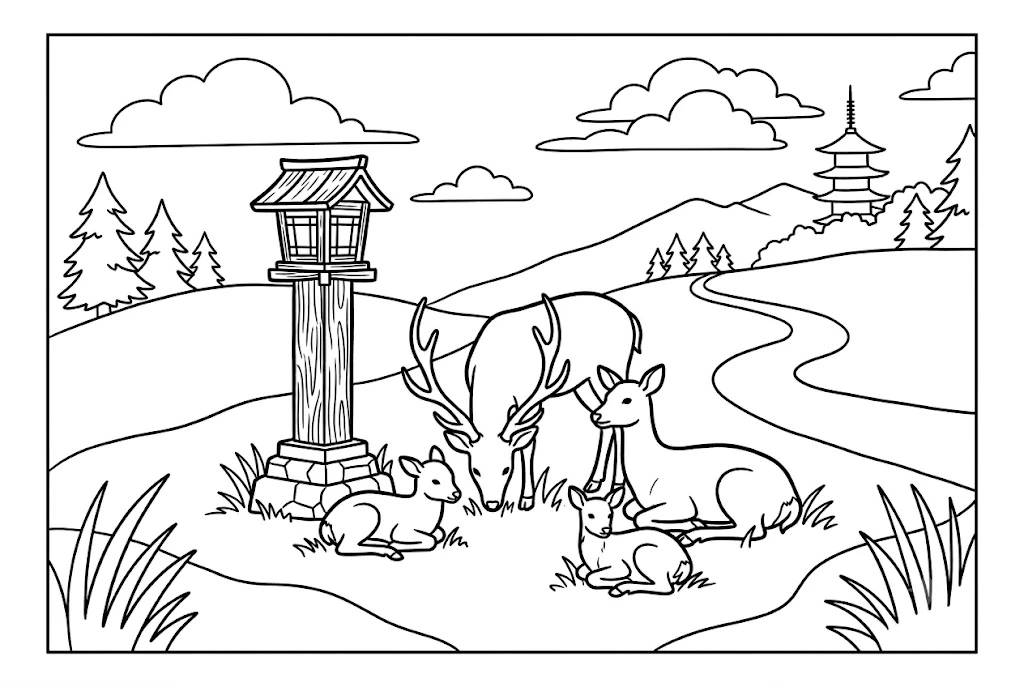











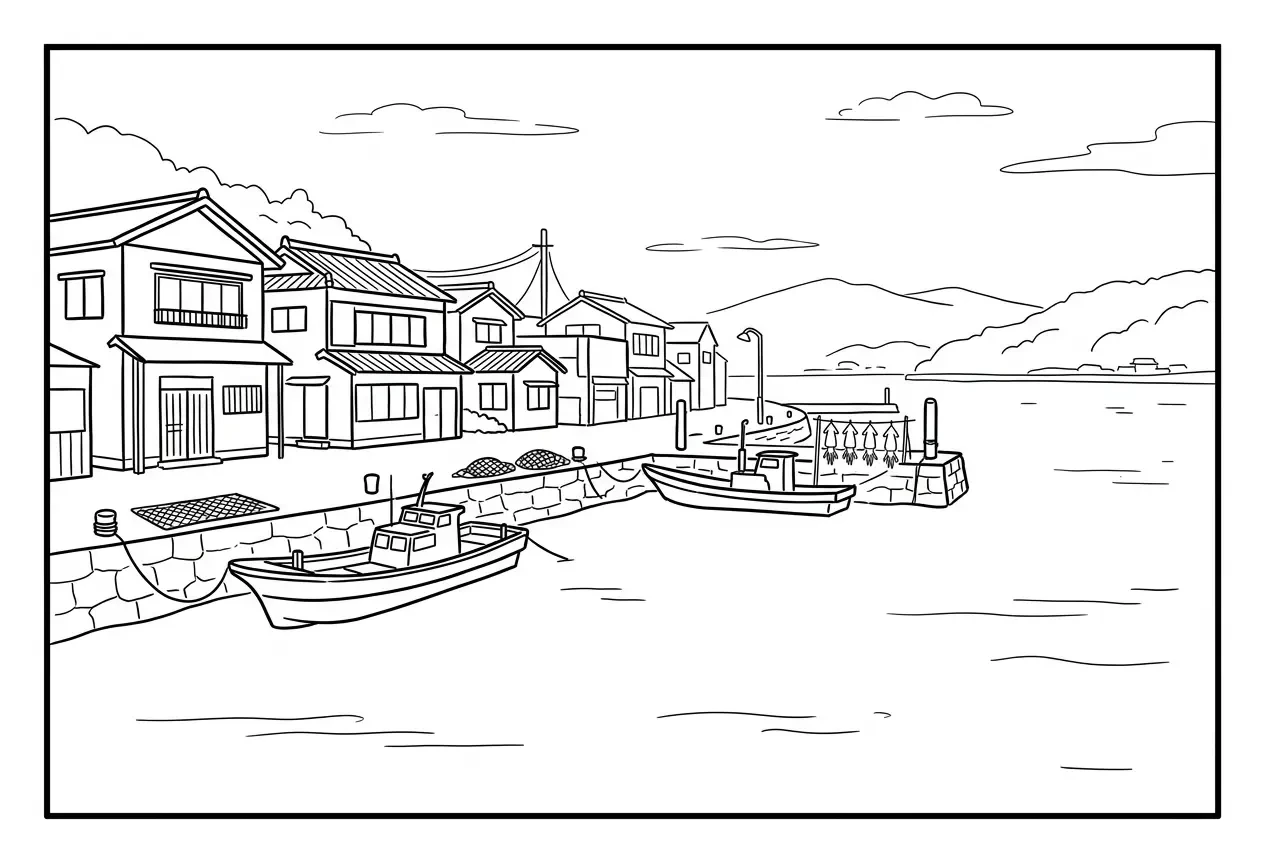


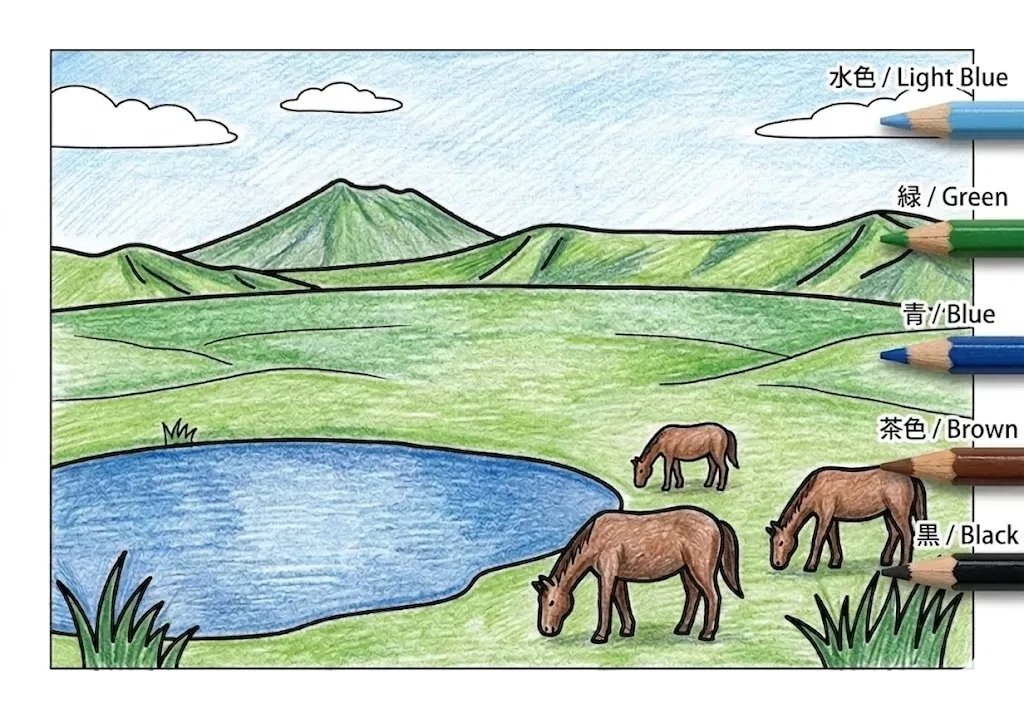

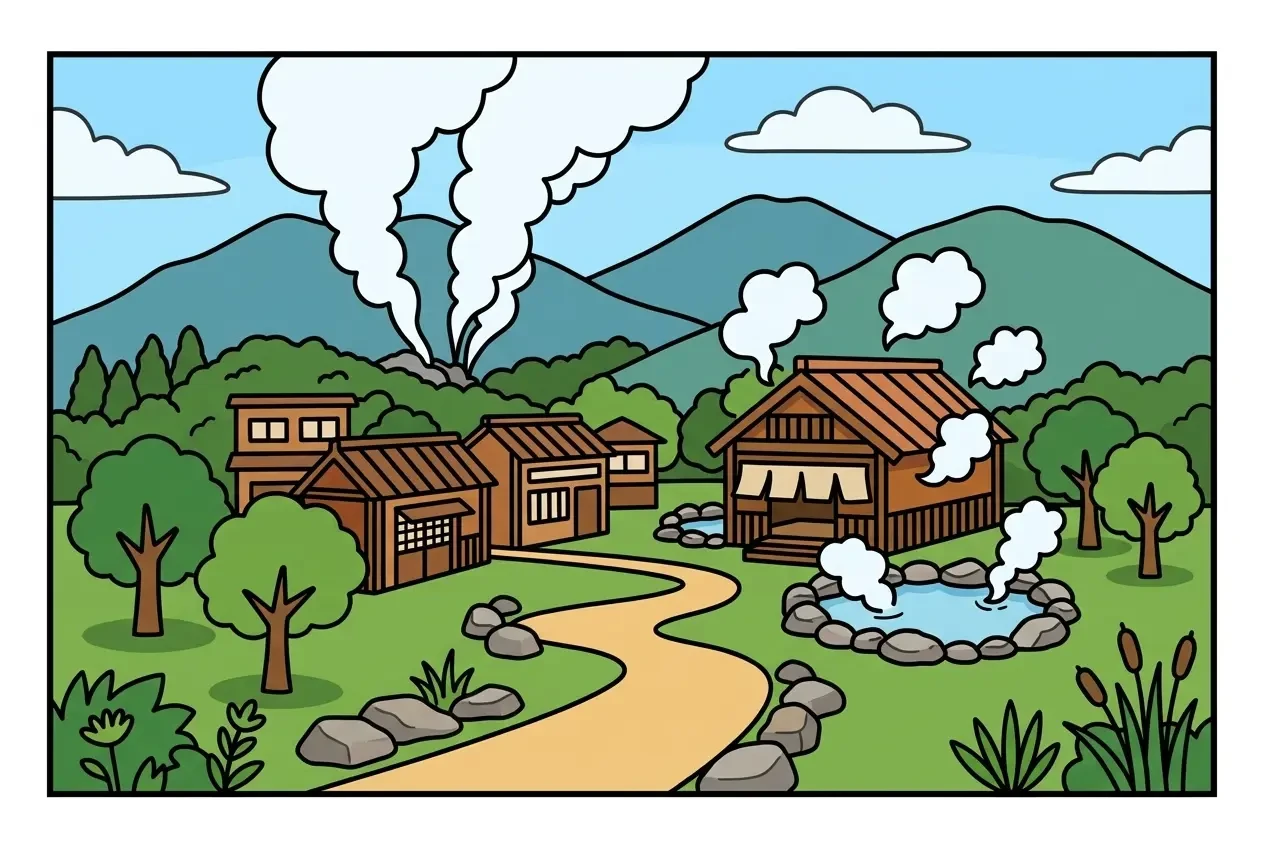
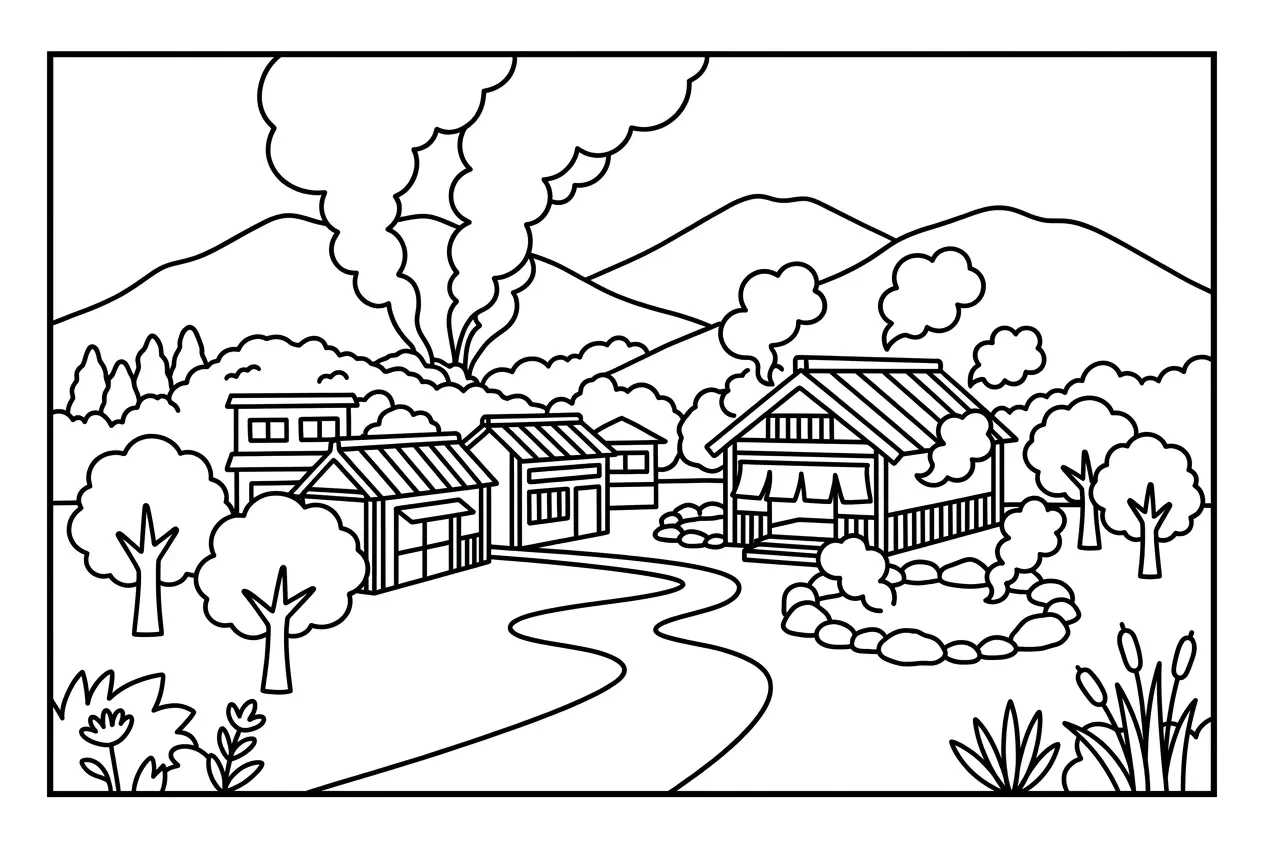

🍱 Japanese Food
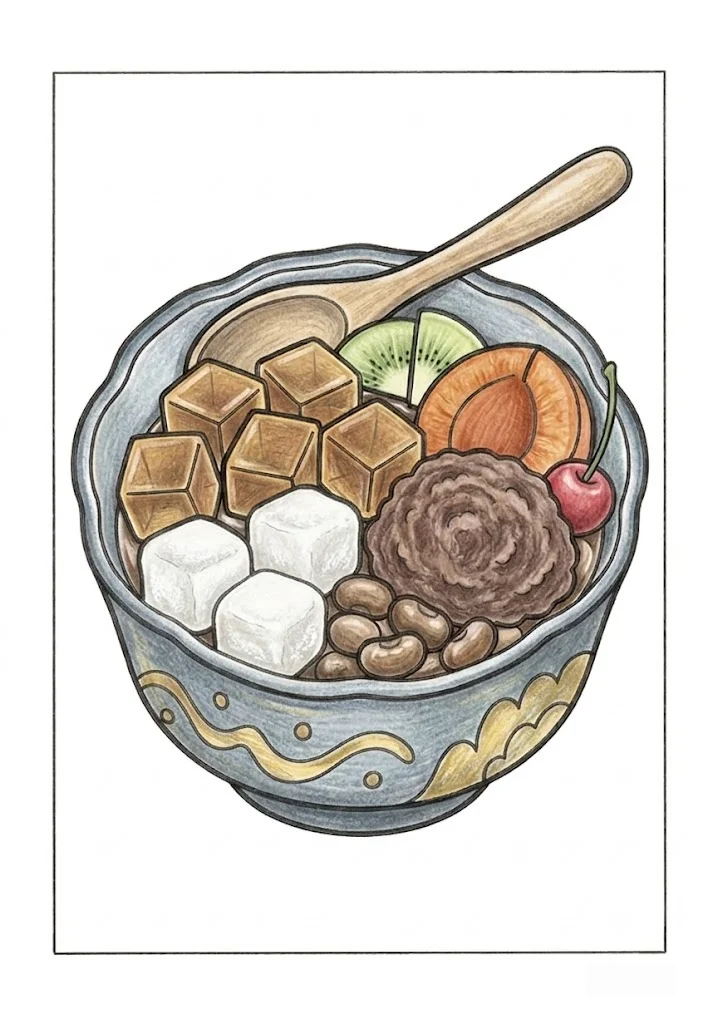
Anmitsu
Kanten jelly, sweet red bean paste, and seasonal fruits drizzled with dark brown sugar syrup. A retro tea parlor favorite.
Read more →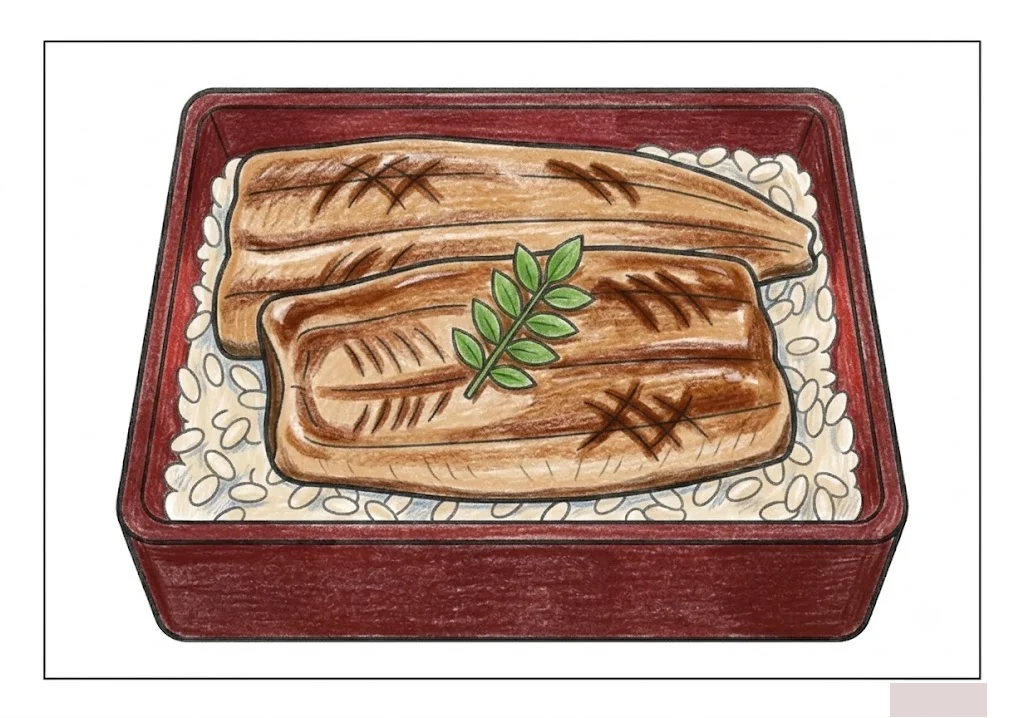
Unaju — Grilled Eel
Charcoal-grilled freshwater eel glazed with caramelized soy sauce, served over steaming rice in classic lacquerware.
Read more →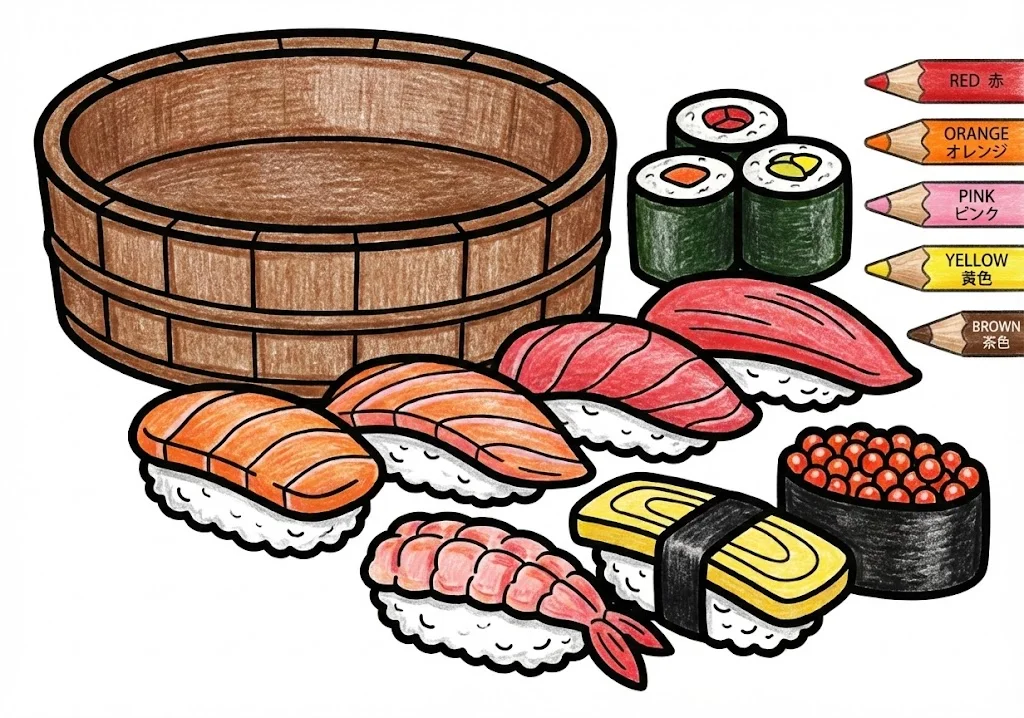
Sushi
The art of balancing vinegared rice, fresh ingredients, and subtle seasoning. Japan's most famous export.
Read more →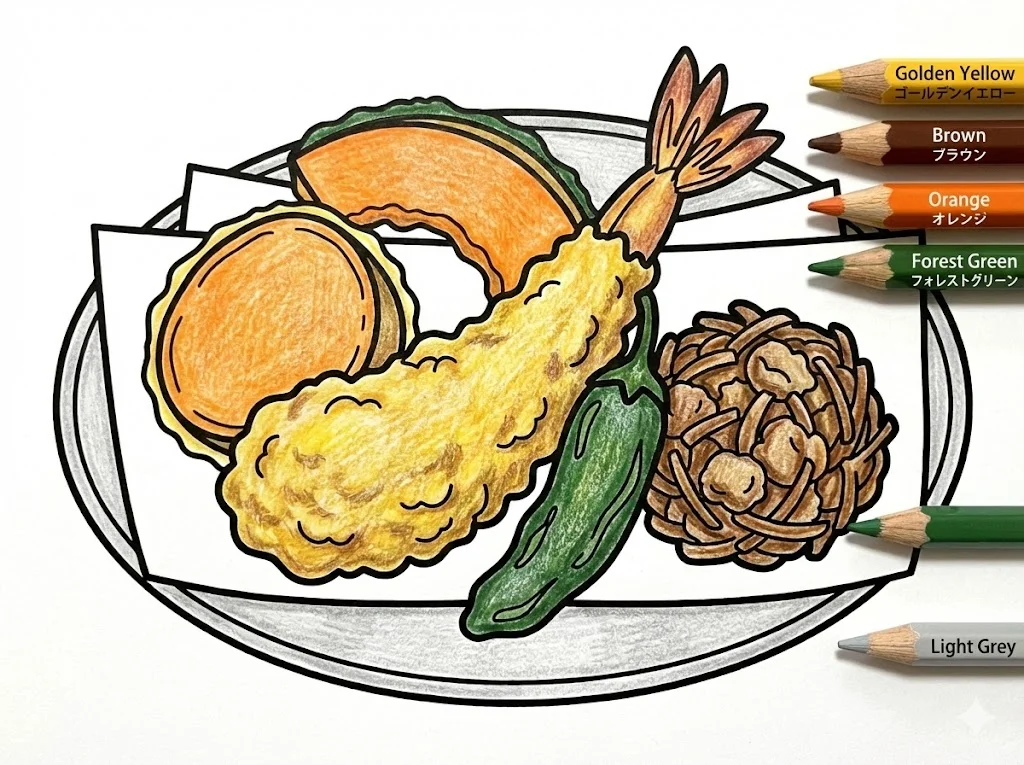
Tempura
Feather-light battered seafood and vegetables. Introduced by Portuguese missionaries, perfected by Japan.
Read more →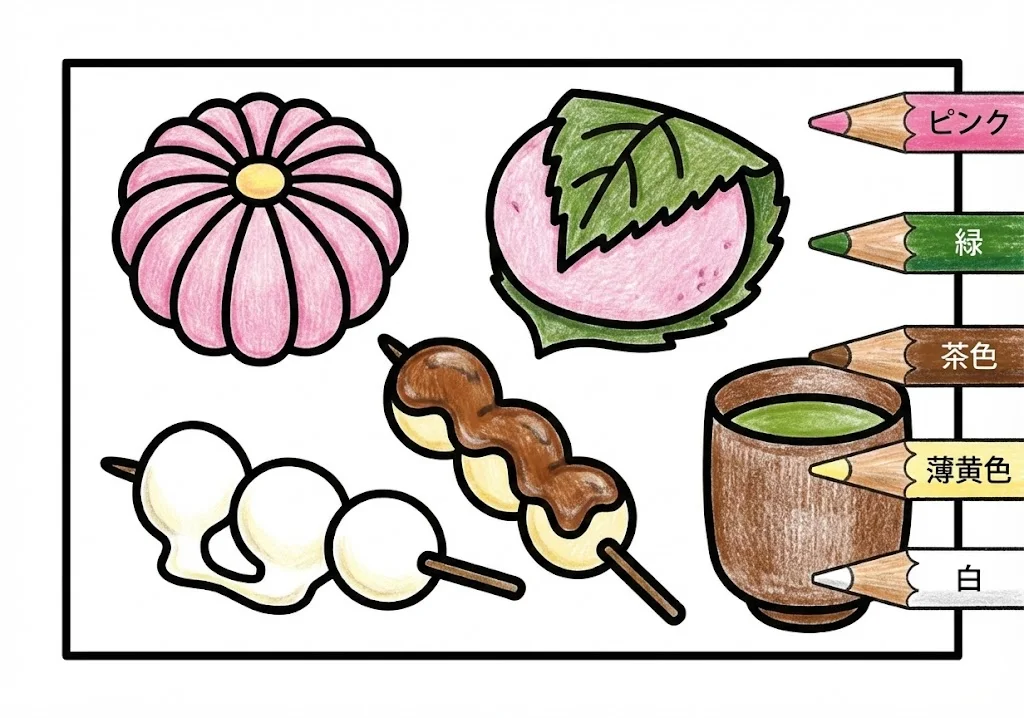
Wagashi
Traditional confections made from bean paste and mochi — as much art as they are food.
Read more →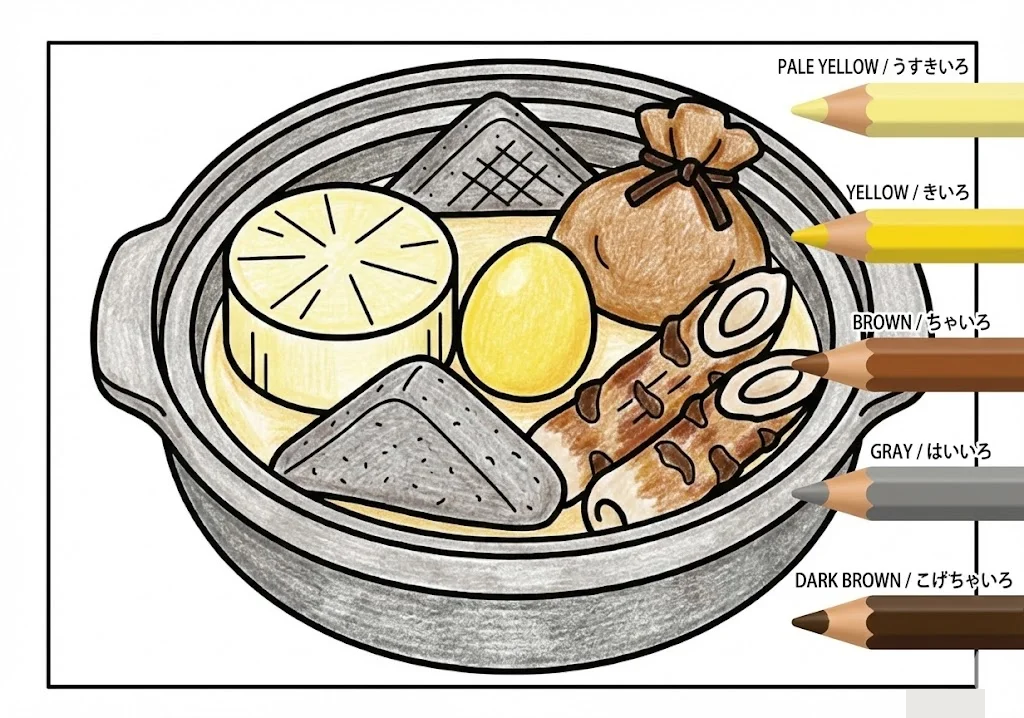
Oden
Daikon, tofu, and fish cakes slow-simmered in dashi broth. The soul food of cold-weather Japan.
Read more →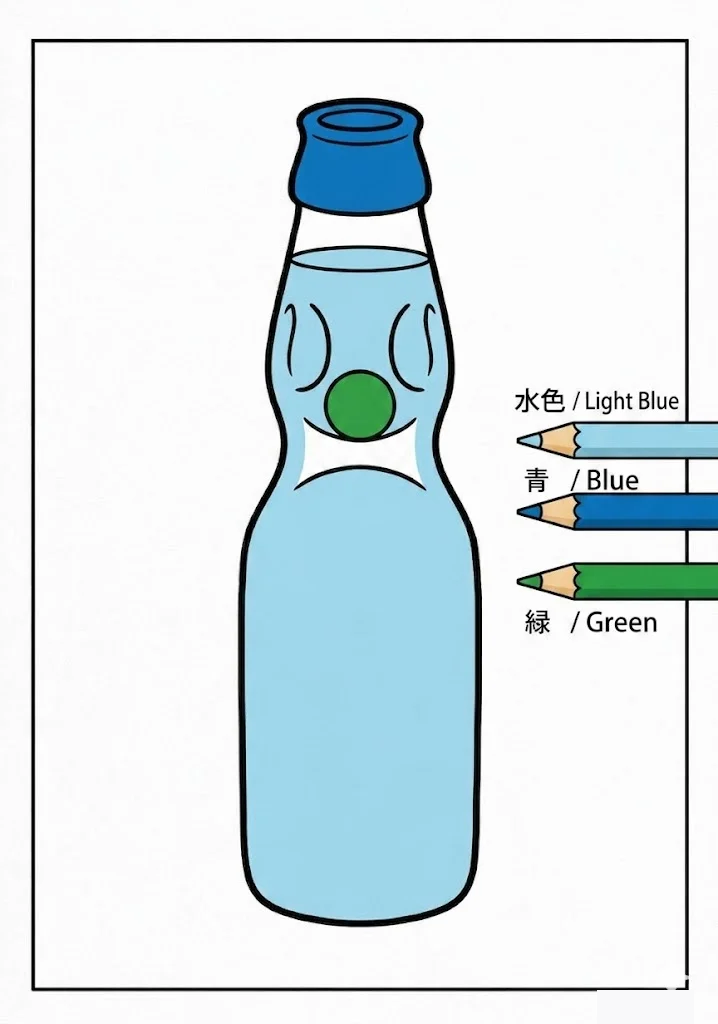
Ramune
Japan's iconic summer soda sealed with a glass marble — part drink, part puzzle.
Read more →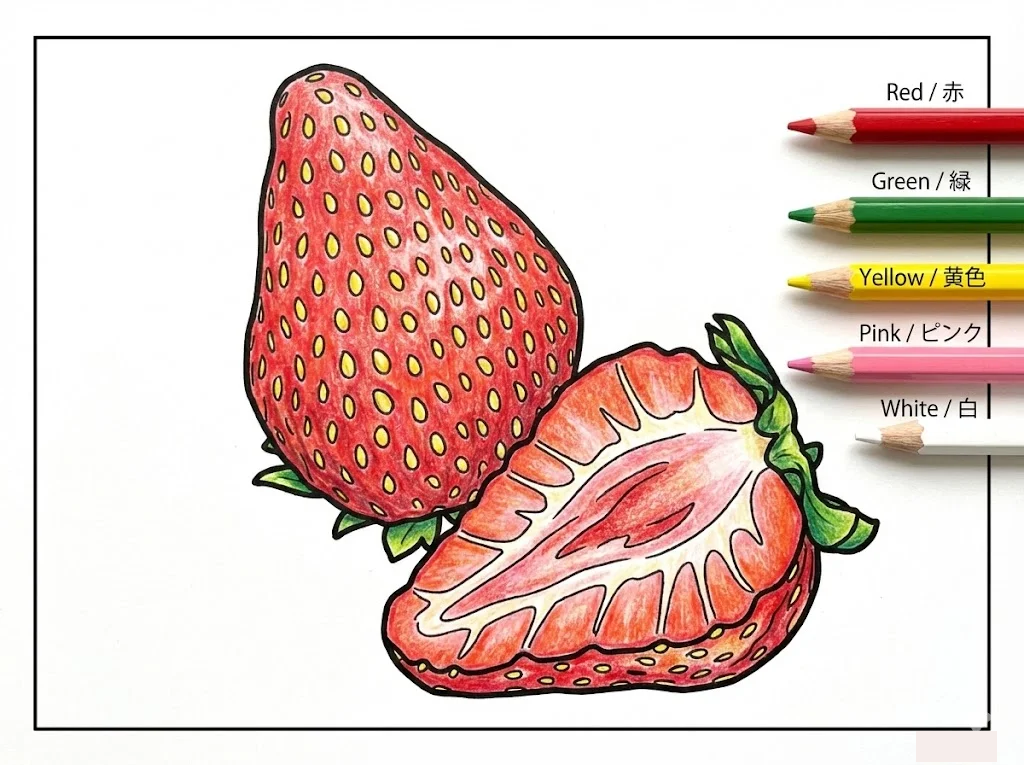
Ichigo — Strawberry
Japanese strawberries grown to near-perfection — uniform, intensely sweet, presented like a jewel.
Read more →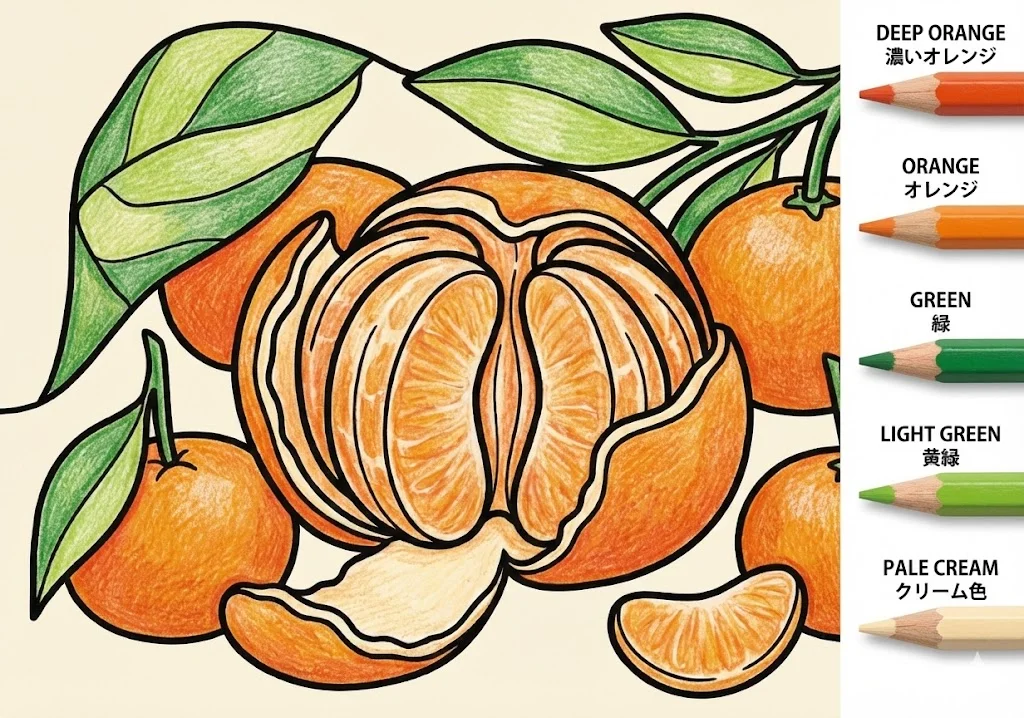
Mikan — Mandarin
Japan's beloved winter citrus. Peeling mikan under a warm blanket is practically a national ritual.
Read more →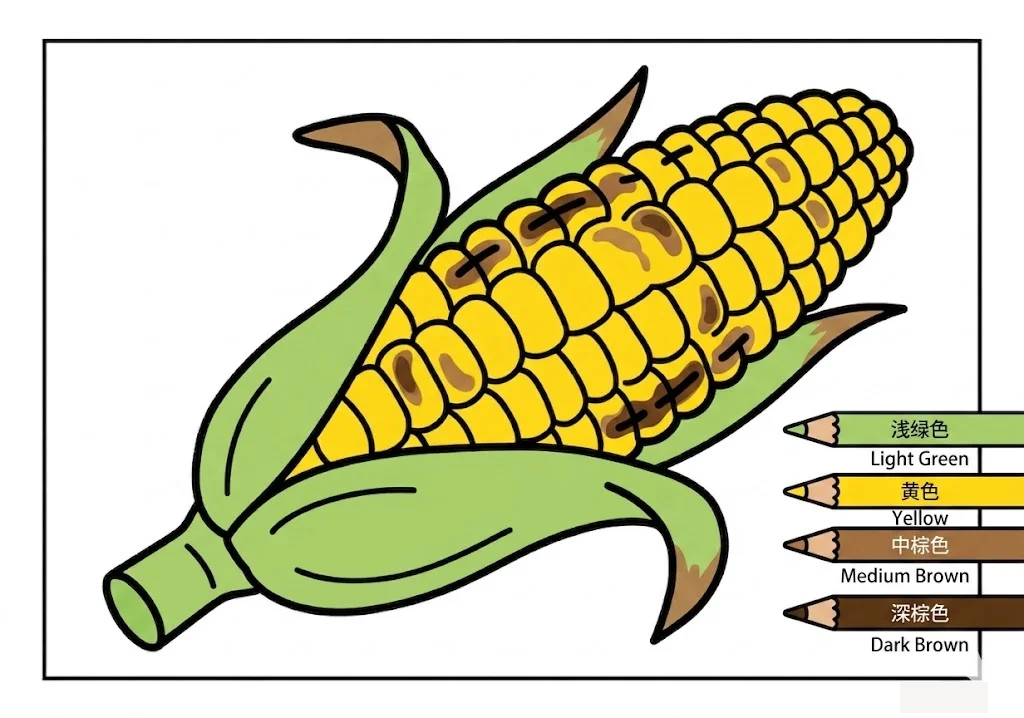
Roasted Corn
Festival staple brushed with soy sauce and butter — the smell of a Japanese summer fair.
Read more →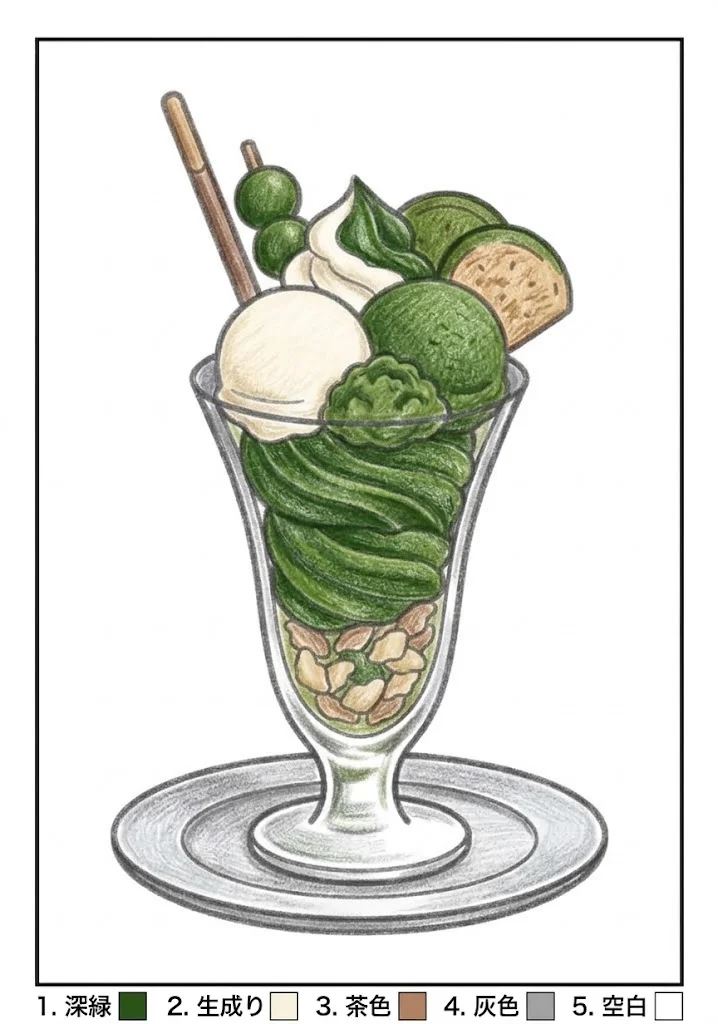
Matcha Parfait
Layers of matcha ice cream, red bean, and mochi dango — where tea ceremony tradition meets modern dessert culture.
Read more →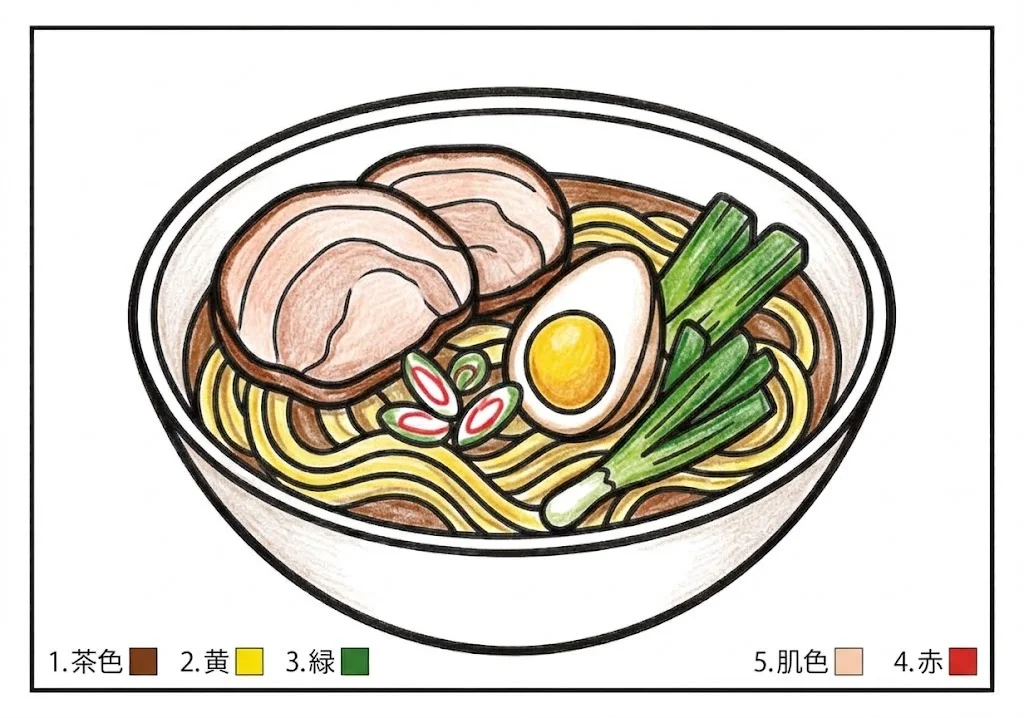
Ramen
Chashu pork, soft-boiled egg, and springy noodles in a bowl of broth — Japan's most beloved noodle soup.
Read more →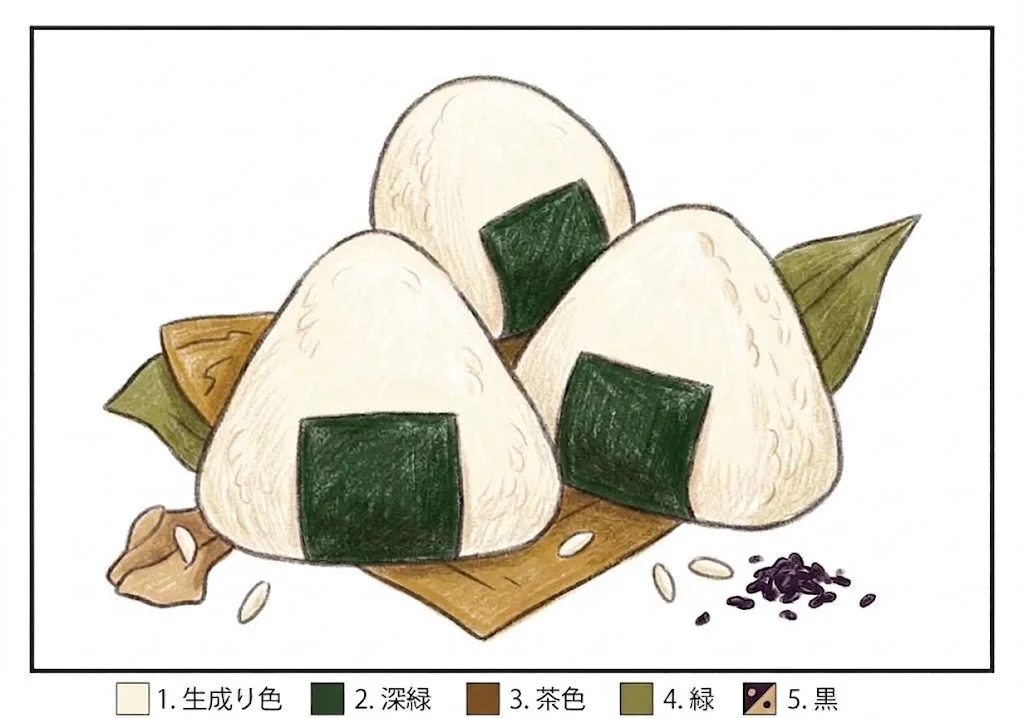
Onigiri
Hand-shaped rice, wrapped in nori and hiding a savory filling — Japan's everyday rice ball, sold by the millions.
Read more →🎆 Events & Festivals
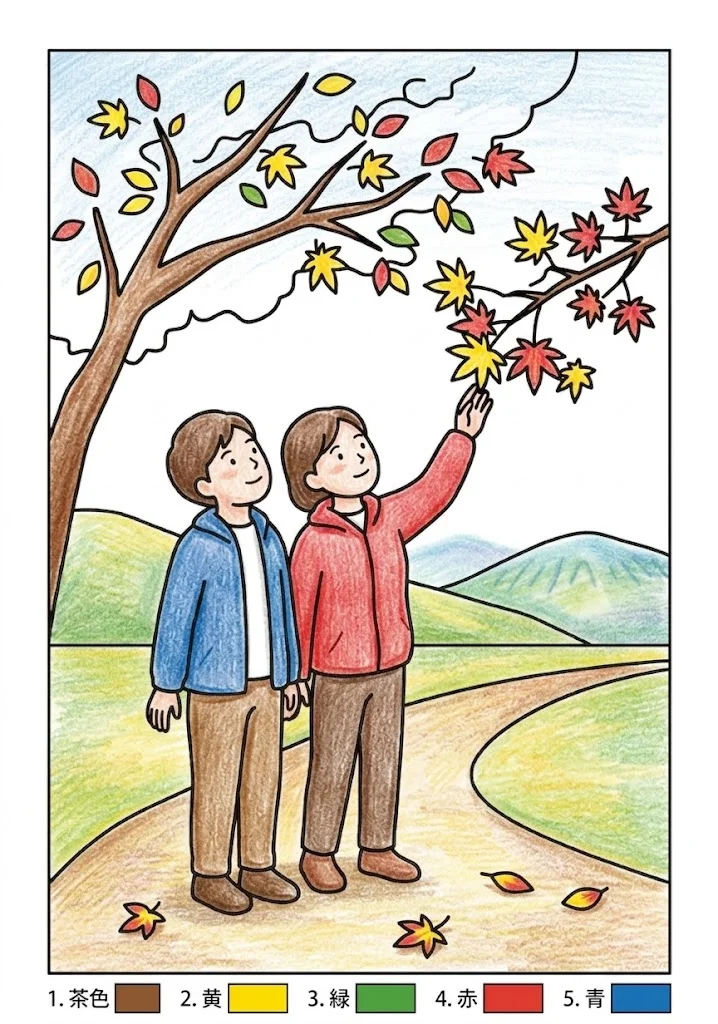
Momijigari — Autumn Leaves Viewing
The cherished tradition of admiring vibrant crimson and golden maple foliage in nature and historic gardens.
Read more →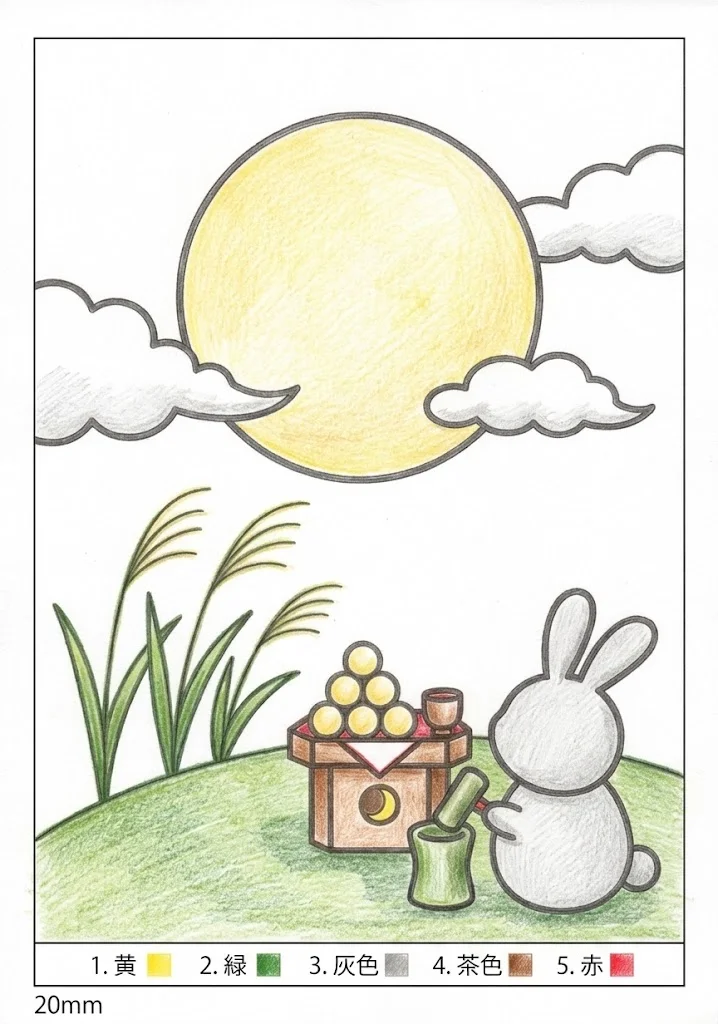
Tsukimi — Moon Viewing
Celebrating the radiant harvest moon with rice dumplings, pampas grass, and prayers for abundant harvests.
Read more →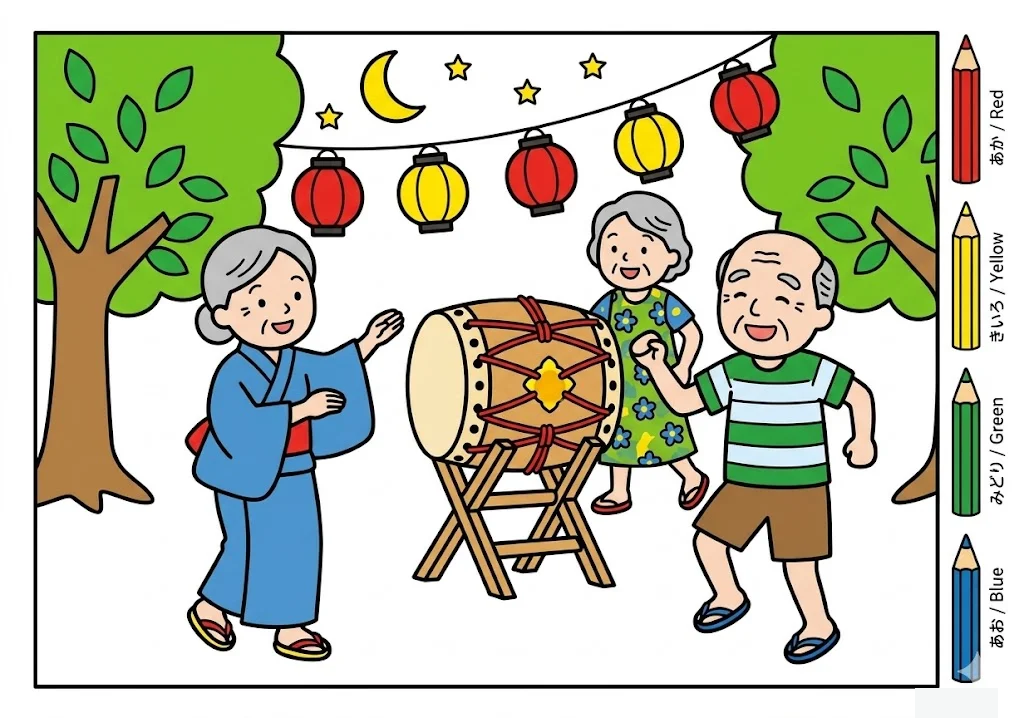
Bon Odori
Communities gather under lanterns to dance in honor of ancestral spirits — a deeply moving summer tradition.
Read more →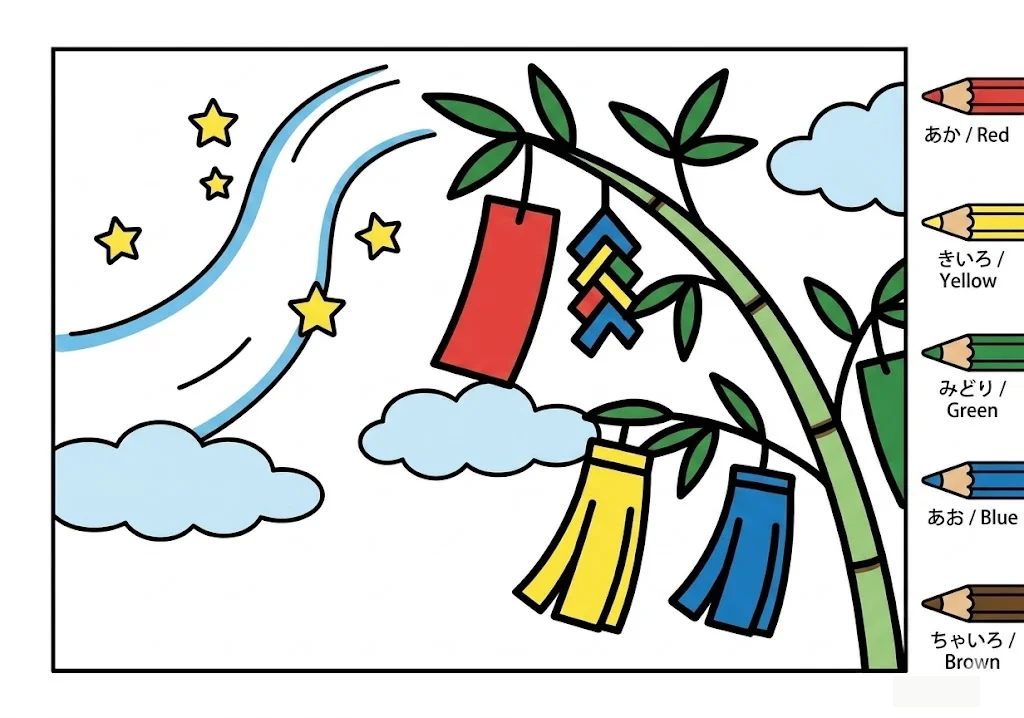
Tanabata — Star Festival
Wishes written on colored paper strips and tied to bamboo — rooted in a celestial love story.
Read more →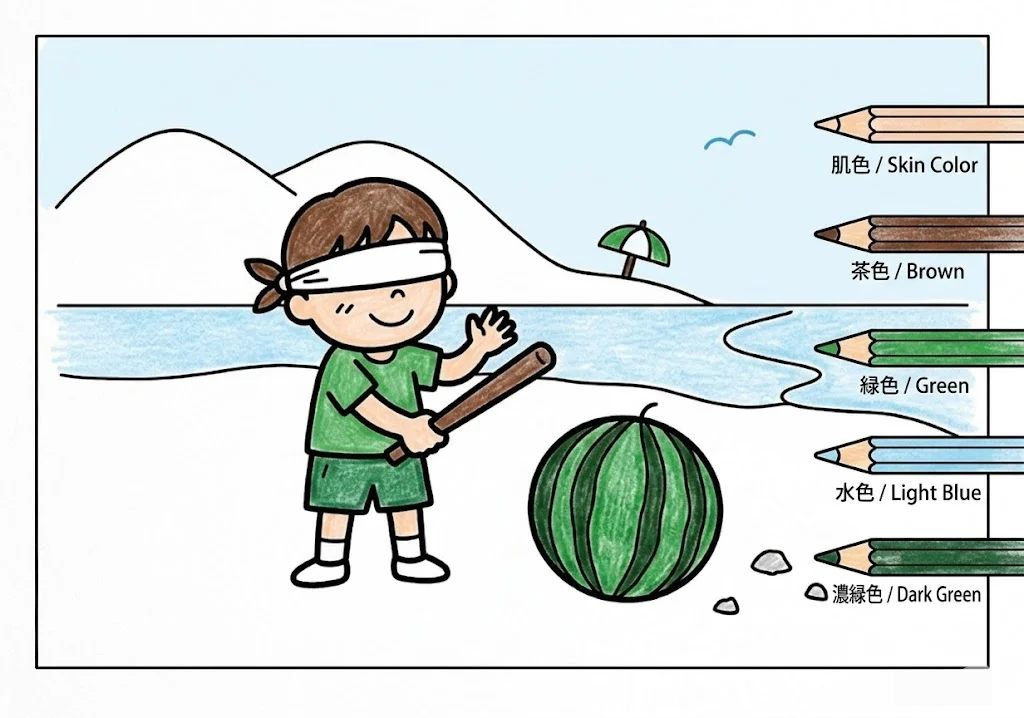
Suikawari — Watermelon Smashing
Blindfolded on the beach, guided only by shouts — whoever splits the watermelon wins summer glory.
Read more →
Asagao Ichi — Morning Glory Market
A centuries-old Tokyo flower market held at dawn, where vivid morning glories overflow from wooden buckets.
Read more →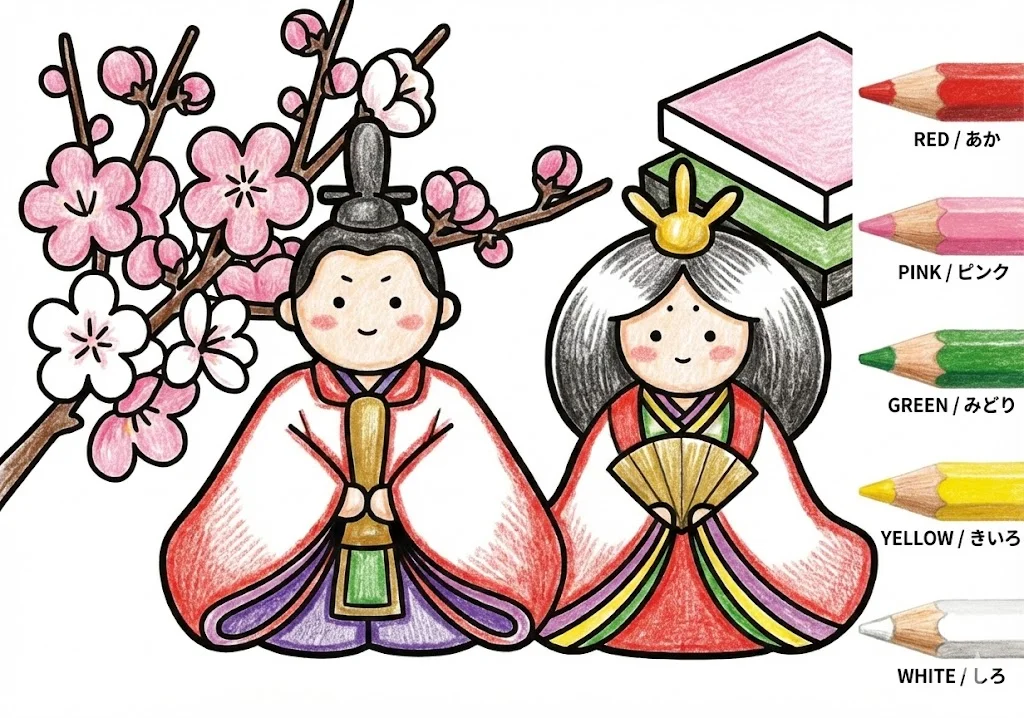
Hinamatsuri — Doll Festival
Ornate imperial dolls displayed on tiered platforms to pray for daughters' health and happiness.
Read more →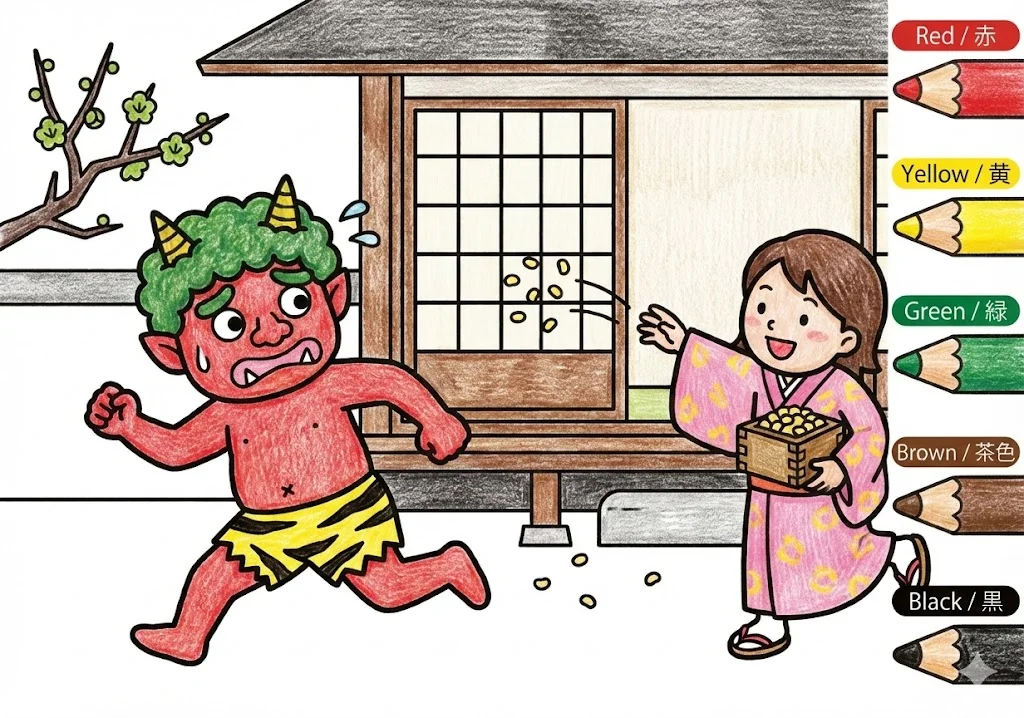
Setsubun — Bean Throwing
Roasted soybeans thrown at demons to drive out evil and welcome spring — one of Japan's liveliest rituals.
Read more →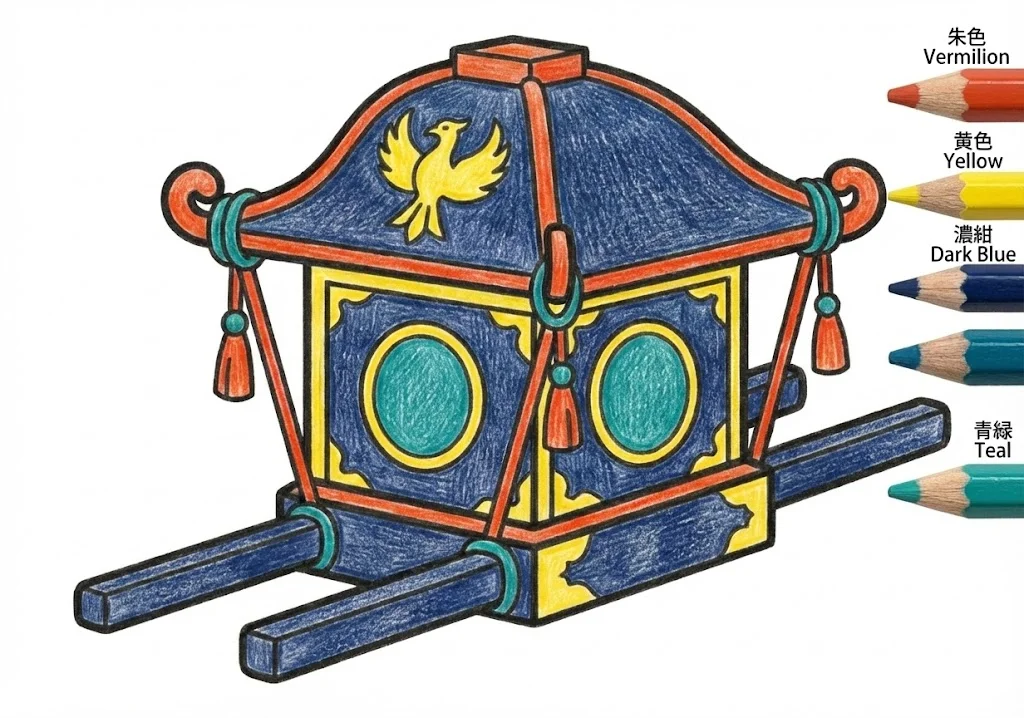
Mikoshi — Portable Shrine
Crowds of bearers carry golden shrines through the streets, chanting to carry a deity through its territory.
Read more →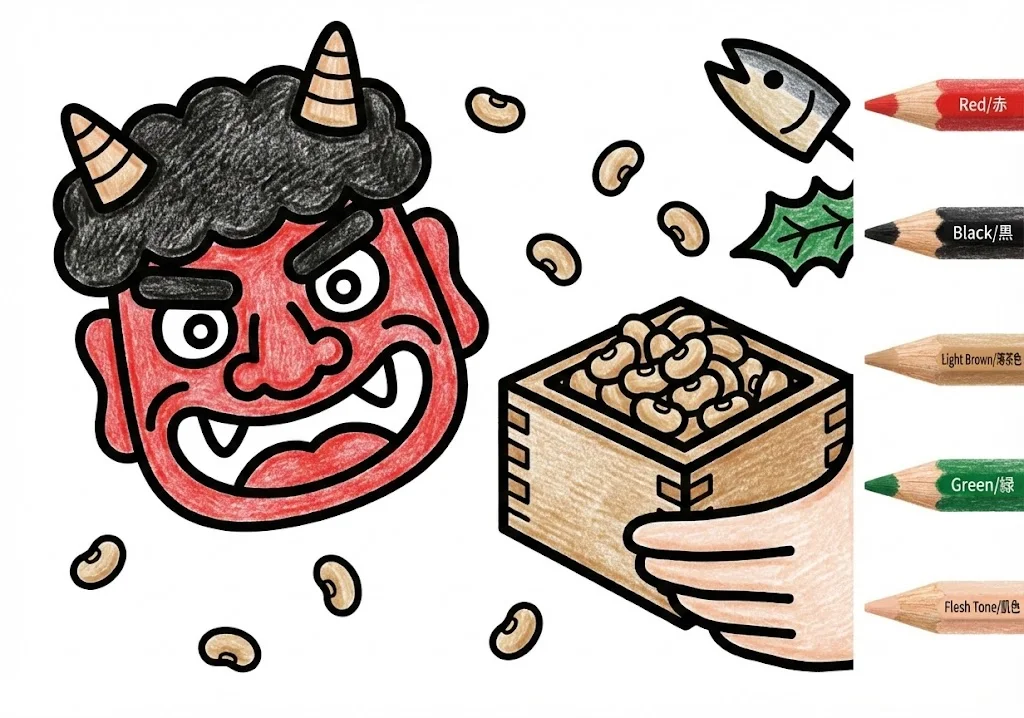
Mamemaki — Bean Scattering
"Oni wa soto! Fuku wa uchi!" — Out with demons, in with fortune! Every home and shrine joins in.
Read more →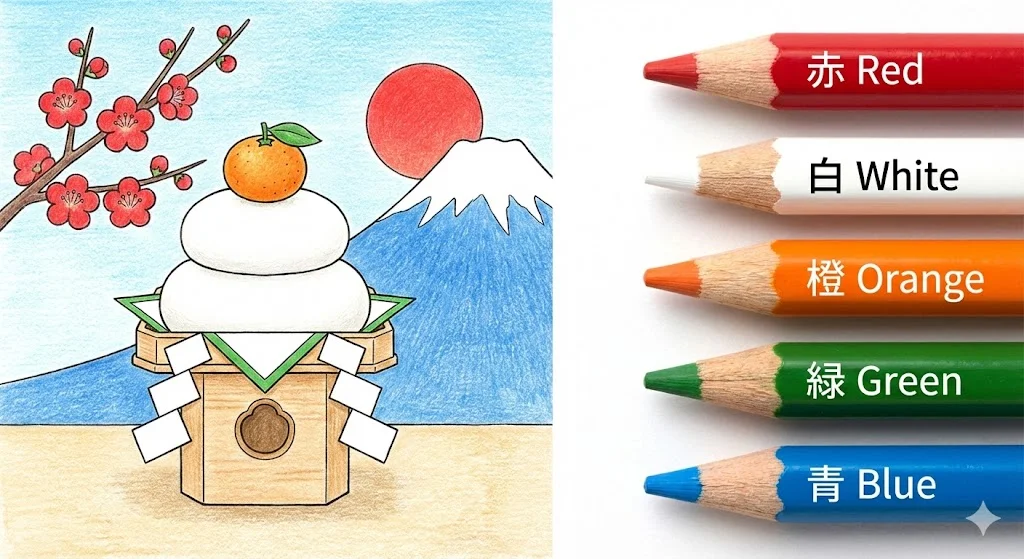
Oshougatsu — New Year
Japan's most important holiday. Temple bells ring 108 times, families gather, and the whole country resets.
Read more →🎎 Japanese Traditions & Crafts
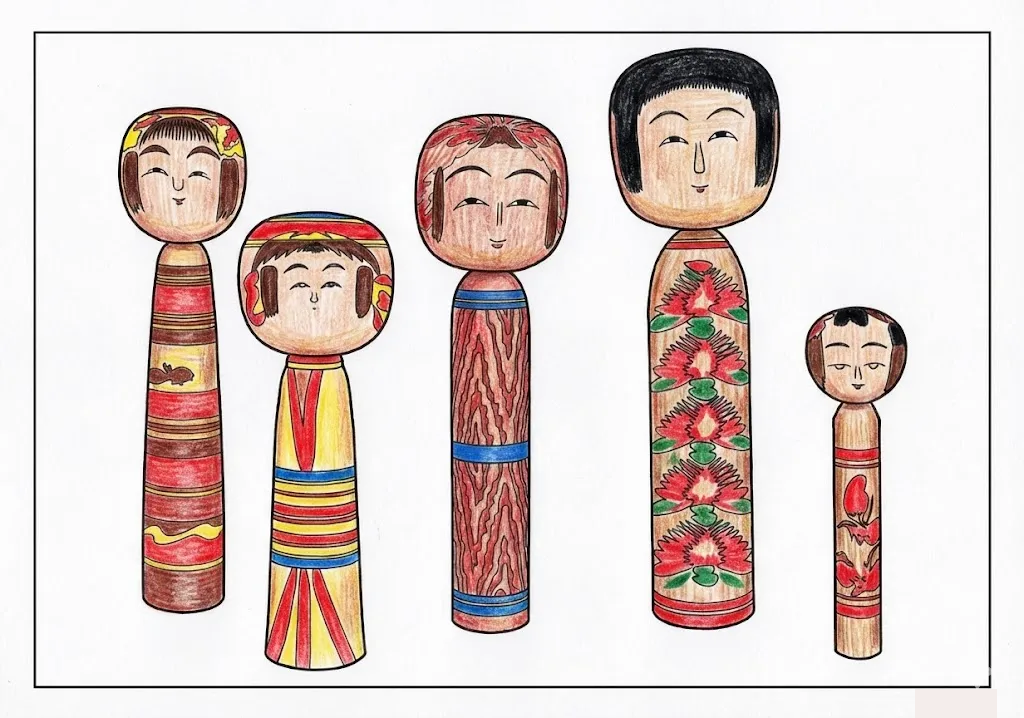
Kokeshi Doll
Simple wooden dolls hand-carved in the Tohoku region — each style unique to its mountain hot-spring town.
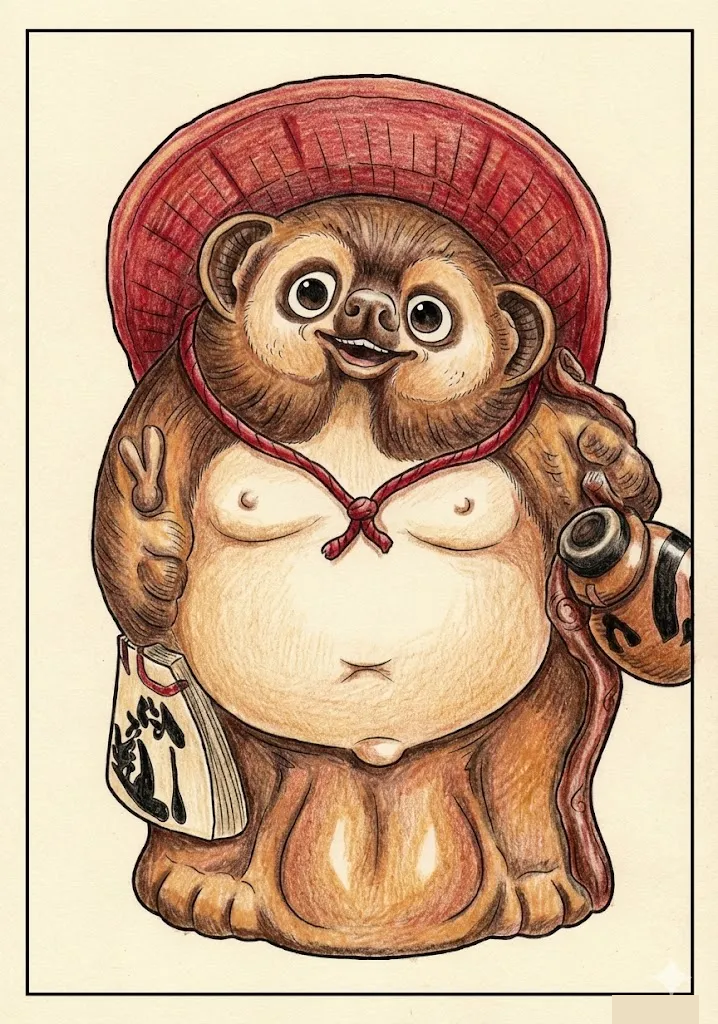
Tanuki Statue
The rotund raccoon-dog of Japanese folklore — a symbol of good luck guarding the entrance of countless shops.
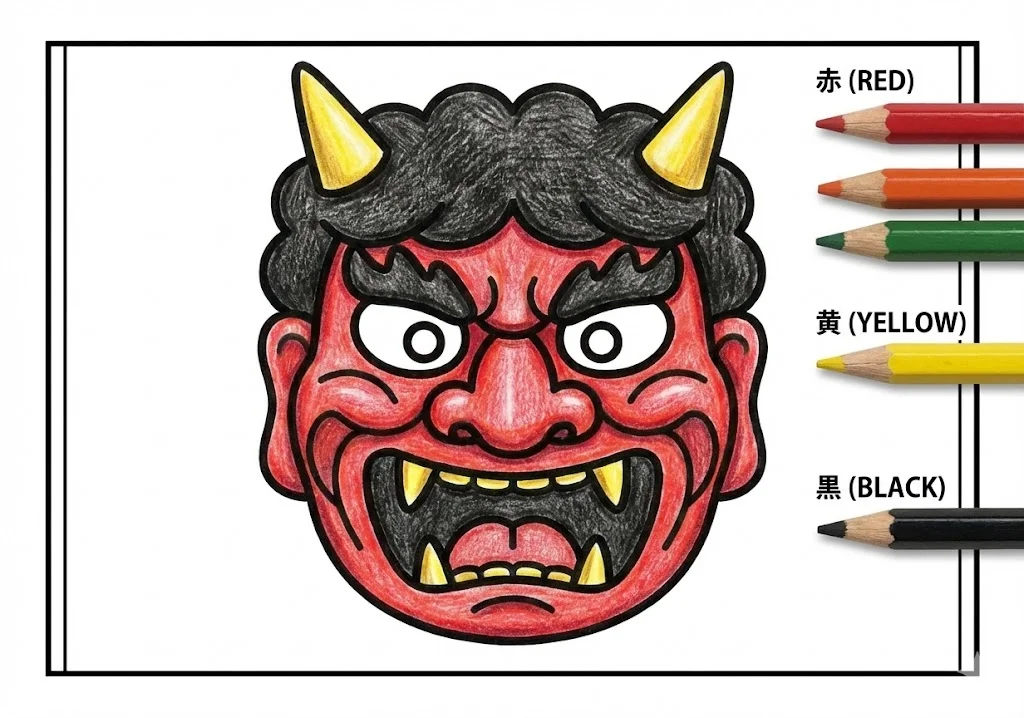
Oni Mask
The fierce demon mask used in festivals, theater, and Setsubun — a guardian that wards off misfortune.
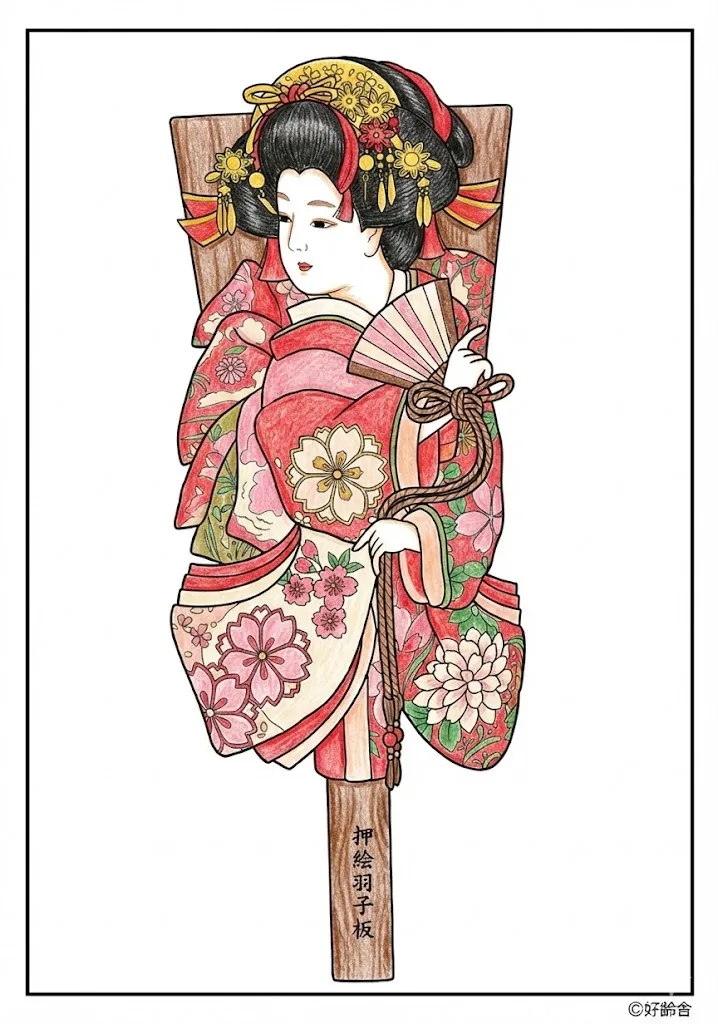
Hagoita
Decorative wooden paddles used in a traditional New Year's shuttlecock game — now prized as lucky ornaments.
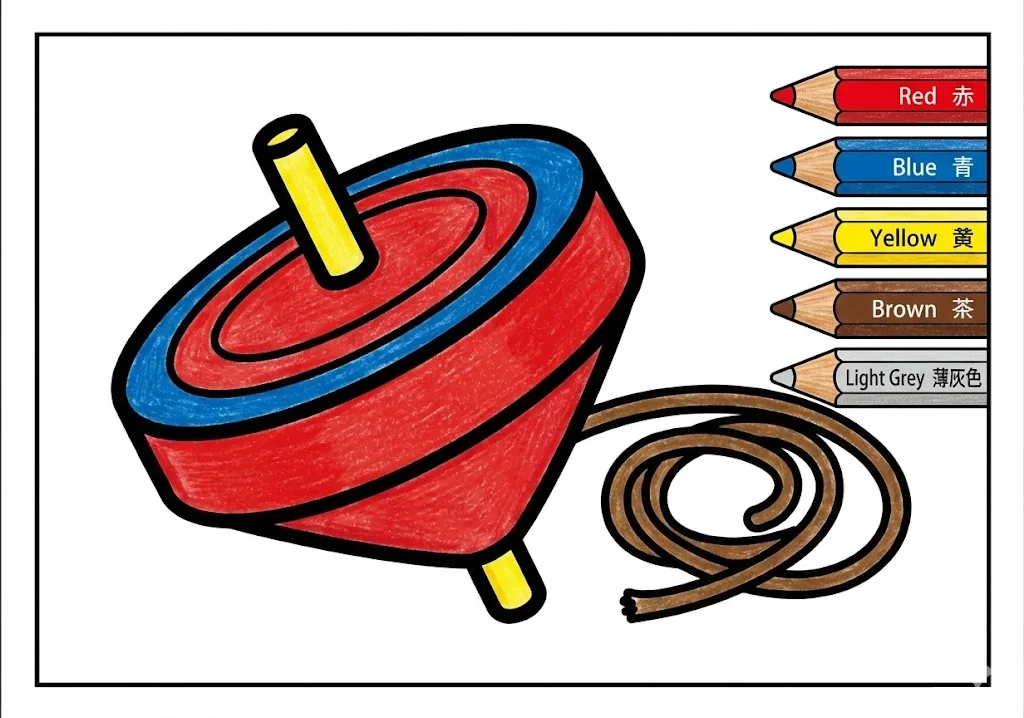
Koma — Spinning Top
Japan's traditional spinning top, beloved for centuries. Spin it and it hums — a toy with a sound like a mantra.
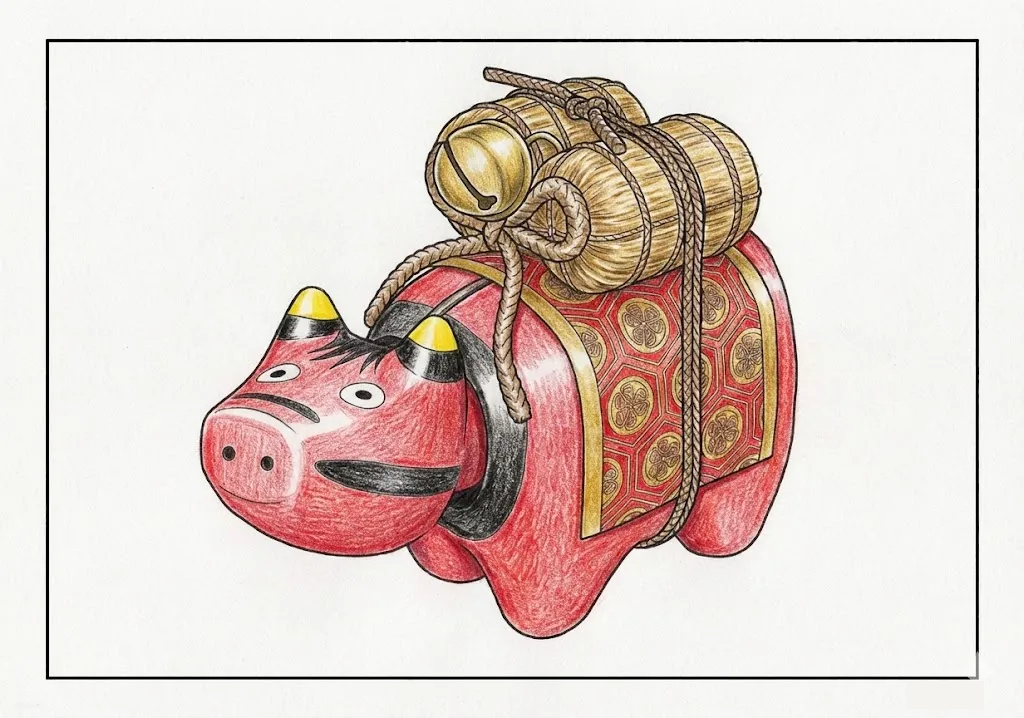
Akabeko
A red papier-mâché cow that nods its head — a 400-year-old lucky charm from Aizu in Fukushima.
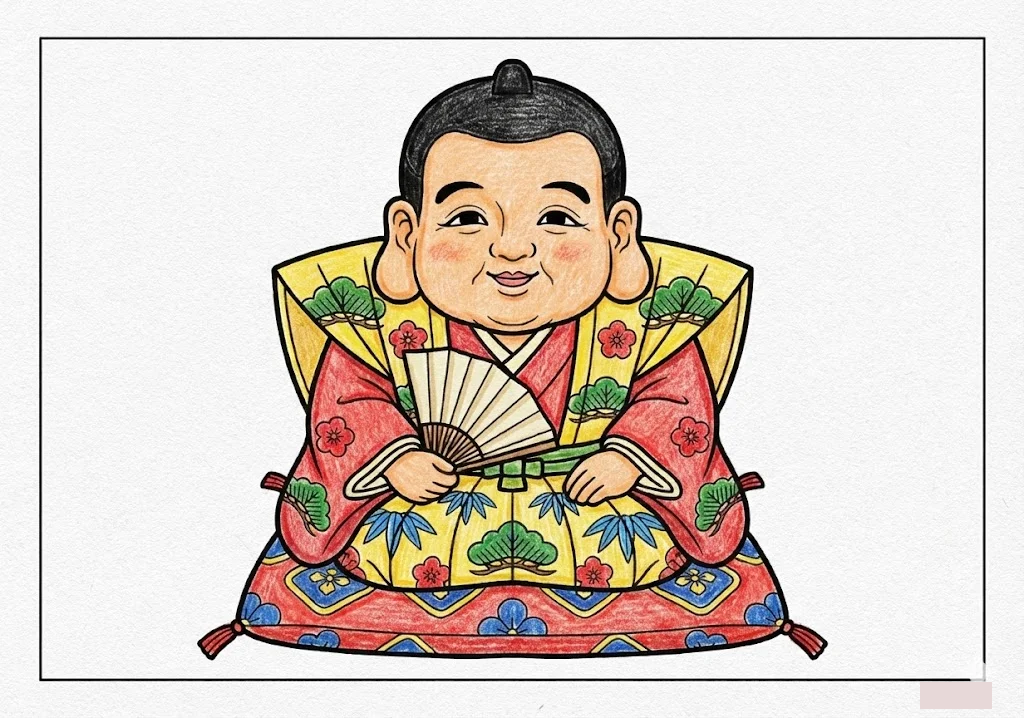
Fukusuke
A big-headed nodding figure dressed in formal hakama — a beloved good-luck doll said to bring prosperity.
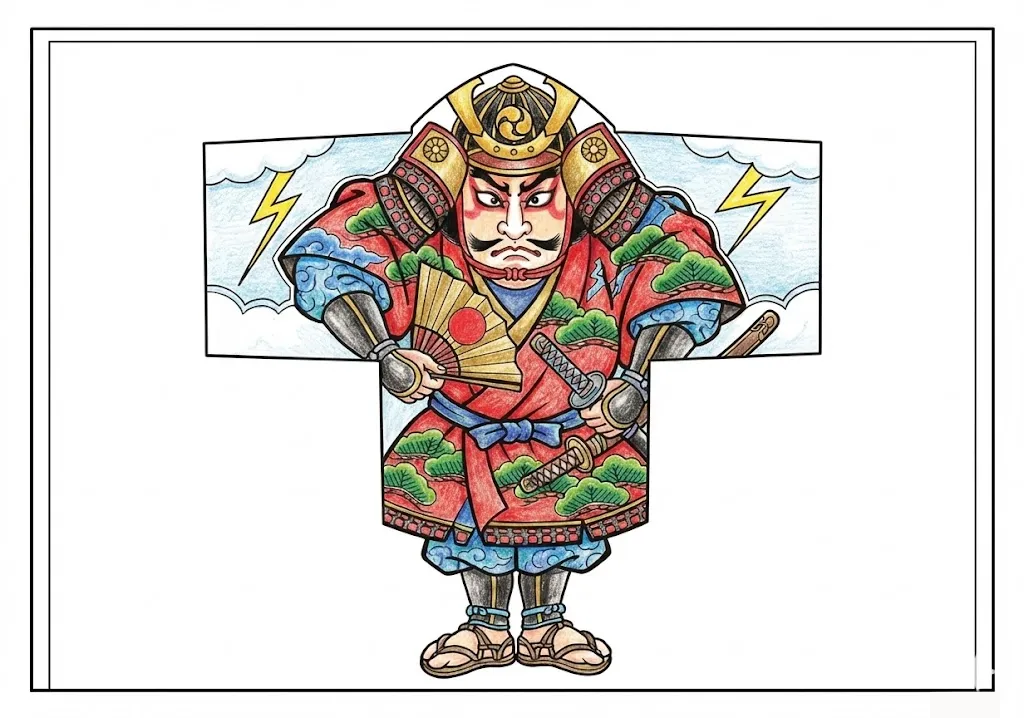
Yakko Kite
Shaped like a samurai servant, this distinctive kite has danced in the January skies of Japan for 400 years.
🎨 Traditional Culture & Festival Coloring Collection
Explore printable coloring pages celebrating authentic Japanese culture: vibrant summer festivals, handcrafted dolls, lucky charms, and traditional folk toys.
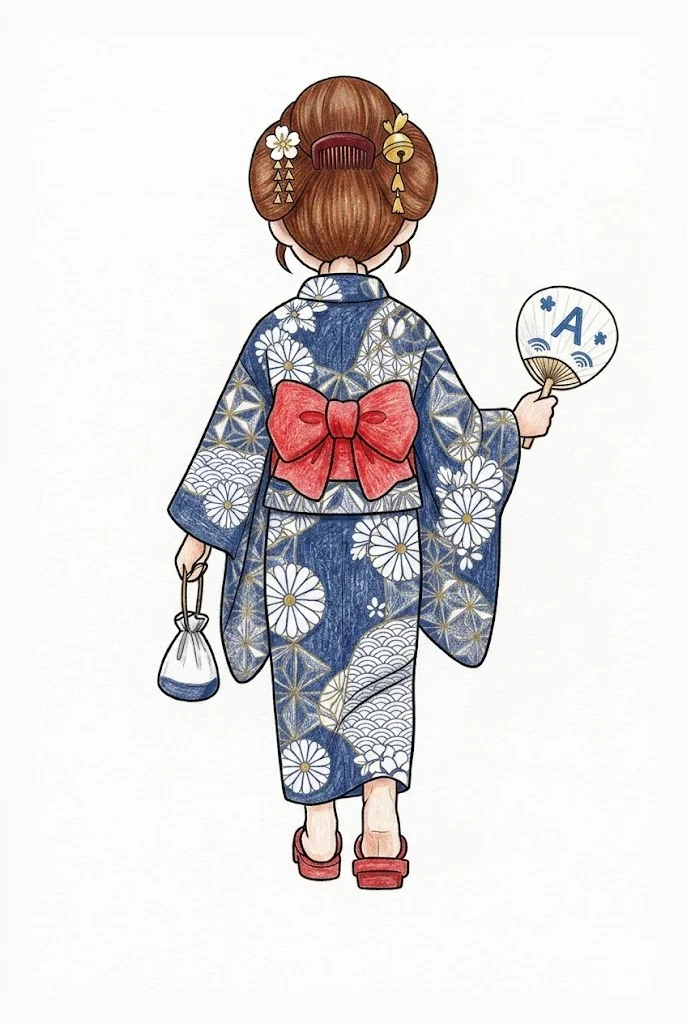
Yukata Girl & Uchiwa
A girl in a floral summer kimono holding a traditional paper fan under festival lanterns.
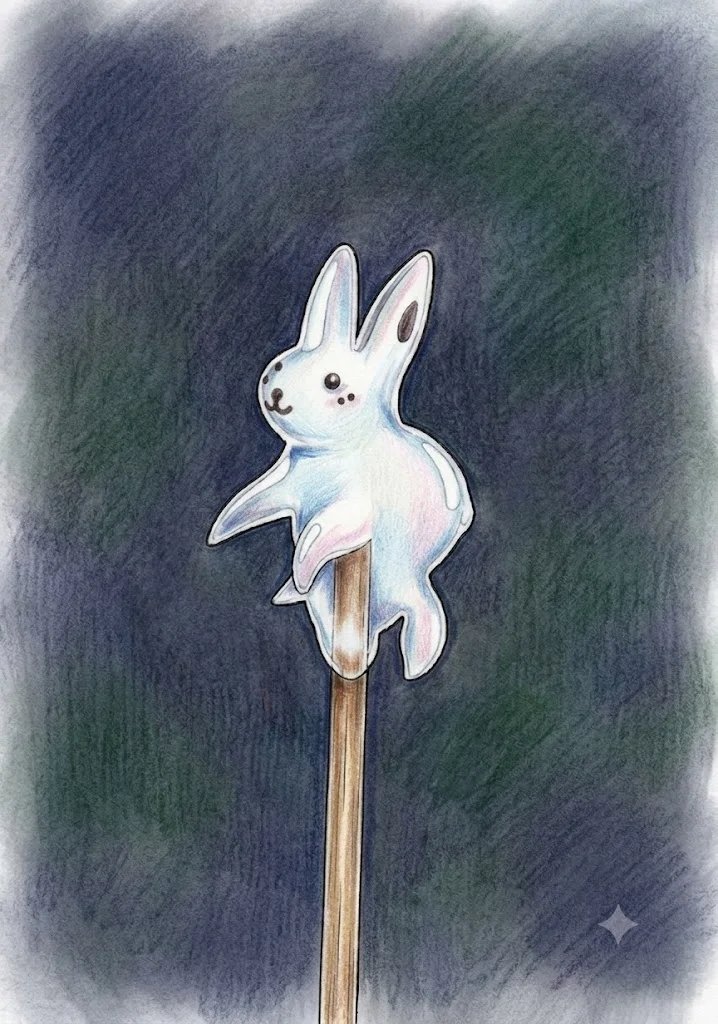
Amezaiku Candy Rabbit
Traditional Japanese artisan sugar sculpture, hand-shaped into an expressive leaping rabbit.
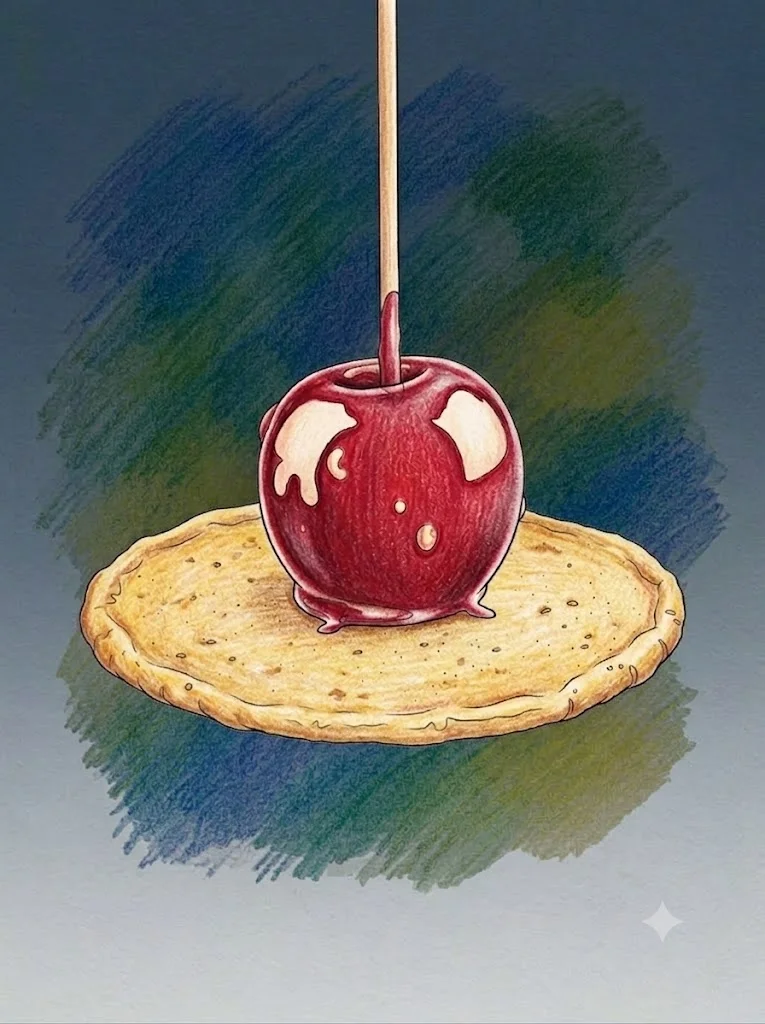
Ringo Ame (Toffee Apple)
The glossy, ruby-red candied apple on a stick — a timeless favorite treat at Japanese night festivals.
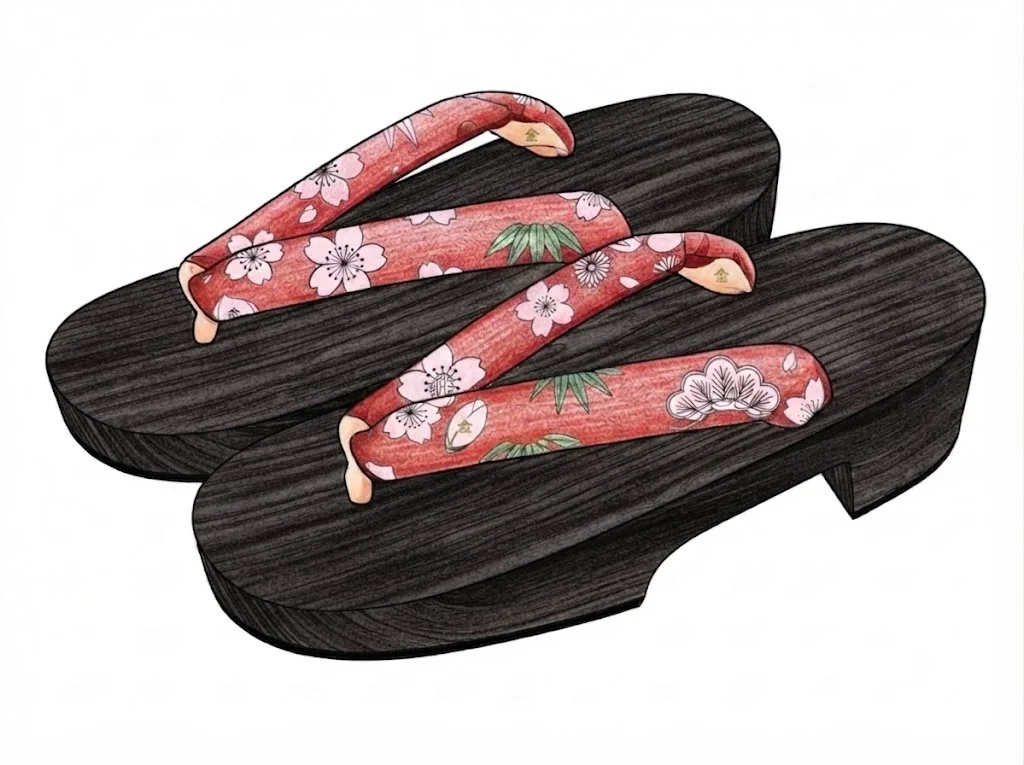
Geta (Embellished Clogs)
Classic wooden clogs with floral fabric straps, worn with yukata for evening summer strolls.
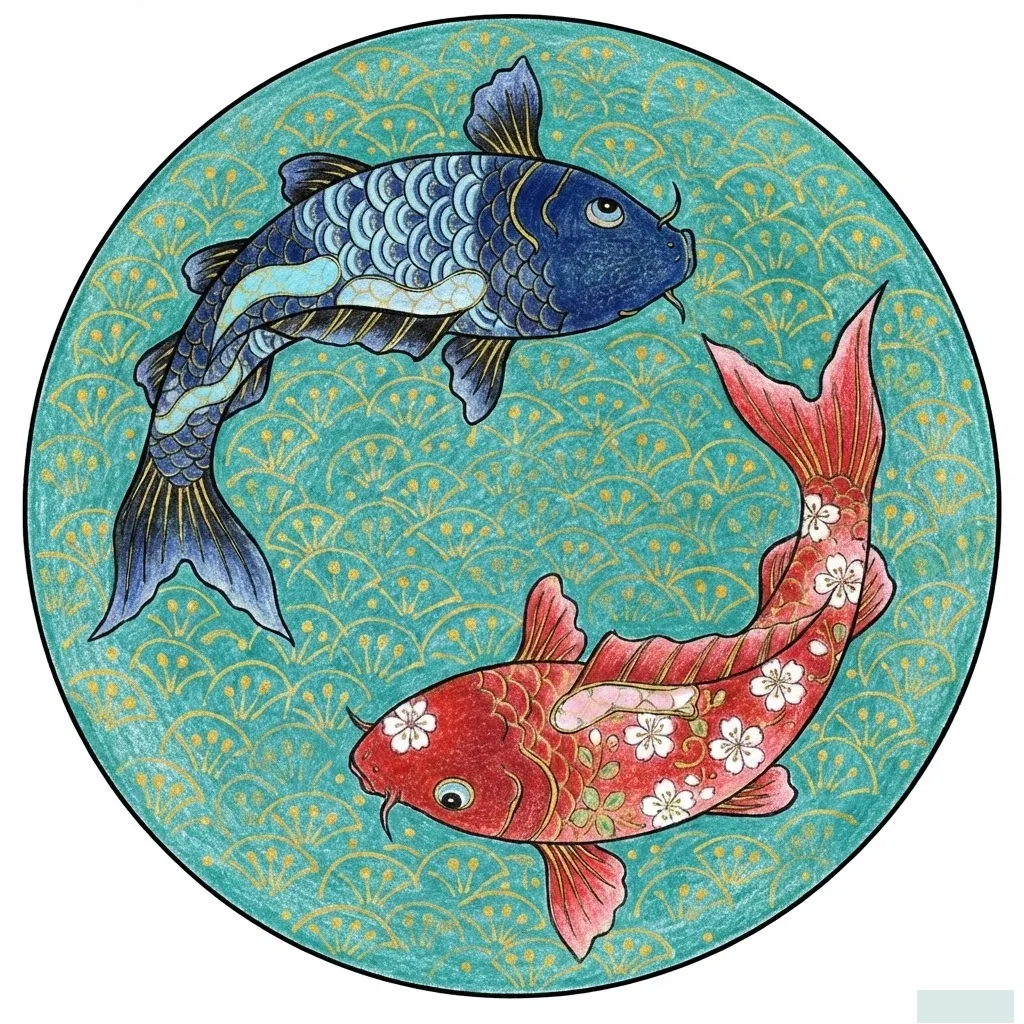
Arita Ware Porcelain
Historic blue-and-white porcelain pottery with 400 years of ceramic mastery from Saga Prefecture.
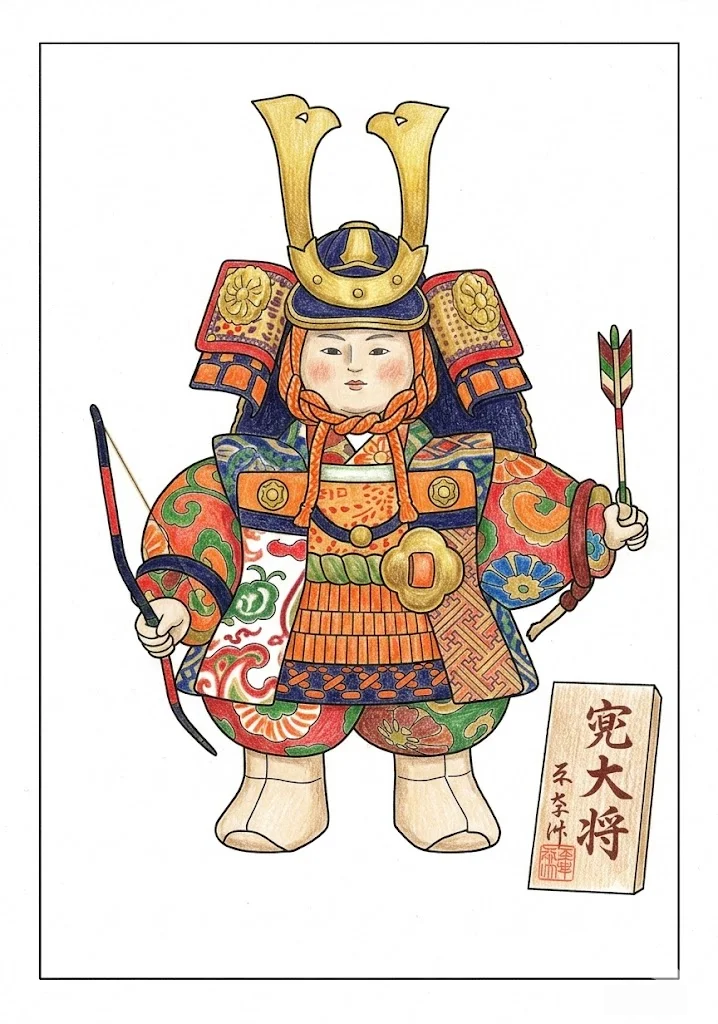
Kabuto & Yoroi Armor
Traditional samurai helmet and miniature ceremonial armor displayed for May Boys' Day celebrations.
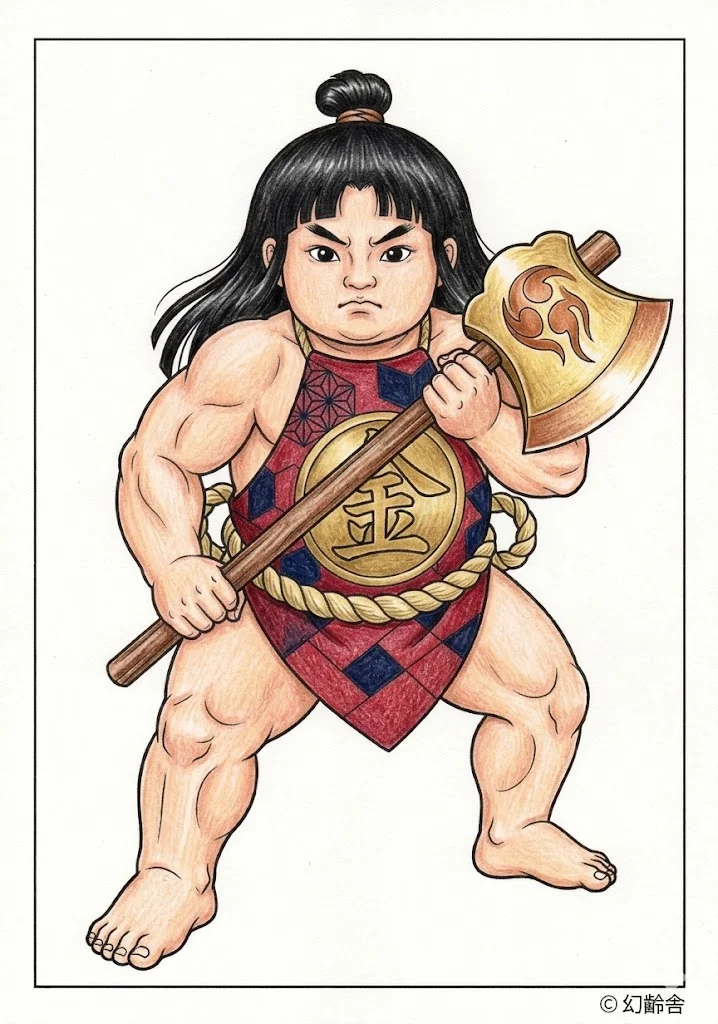
Golden Boy Kintaro
The legendary folk hero of boundless strength and kindness, celebrated as an auspicious Boys' Day figure.
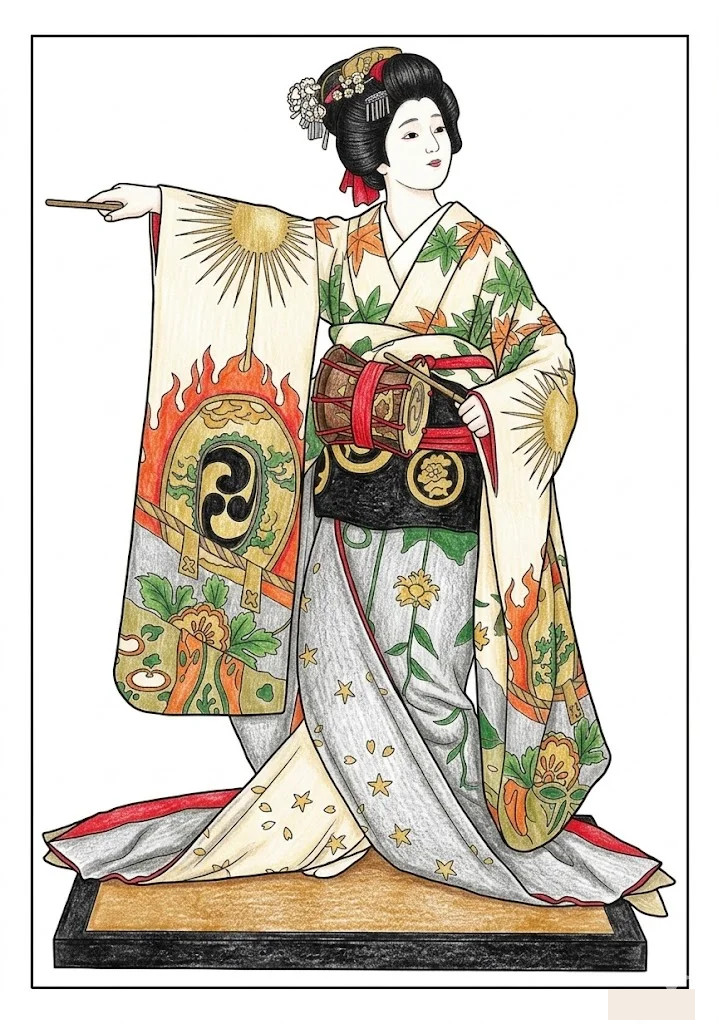
Standing Kimono Doll
An elegant classical Japanese doll draped in luxurious multilayered silk kimono robes.
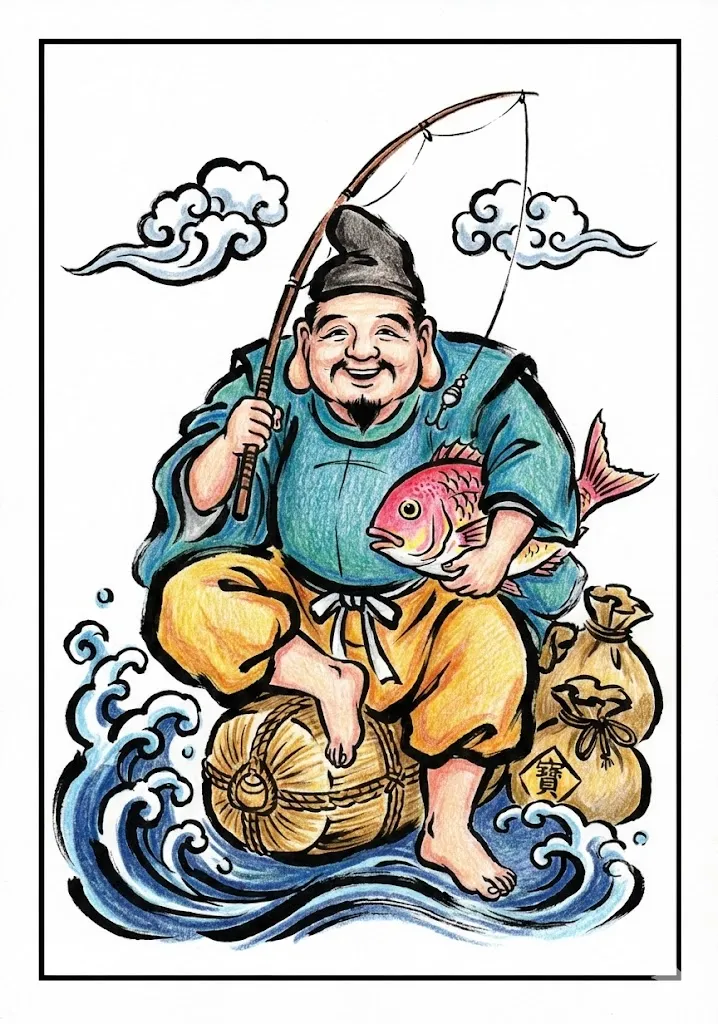
Ebisu (God of Prosperity)
The joyful patron god of fishermen, prosperous trade, and good fortune, holding a grand sea bream.
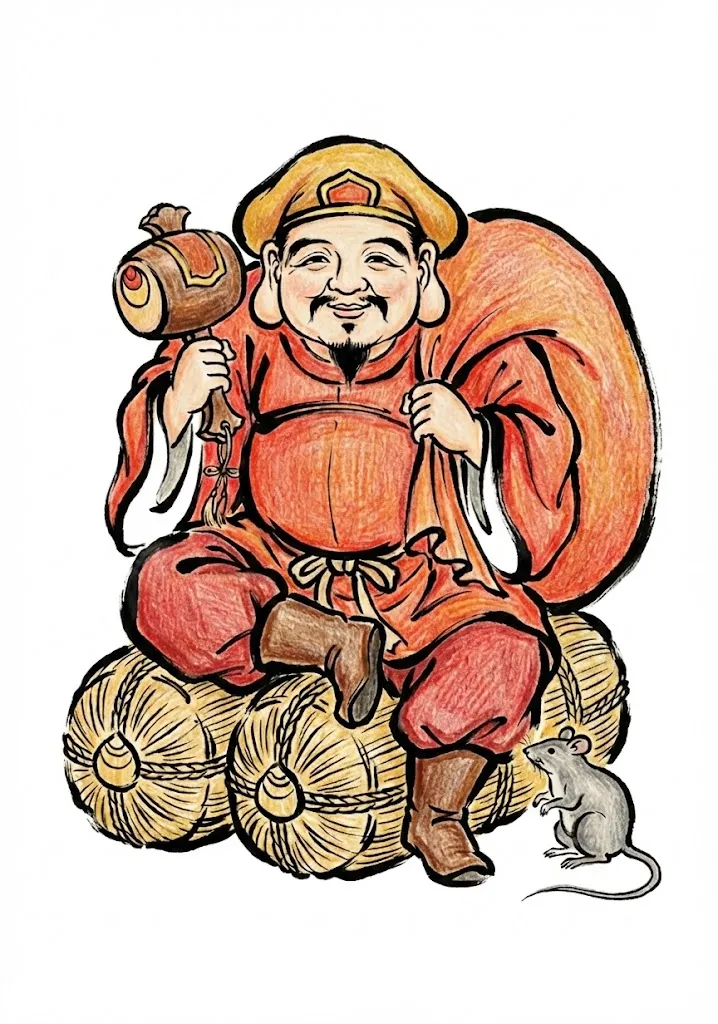
Daikokuten (God of Wealth)
Standing on sacks of rice with his magic golden mallet, bringing abundant harvests and household luck.
Hagoita (4 Sheets)
Elaborately decorated New Year paddles featuring beautiful relief portraits and lucky symbols.
Koma Top (4 Sheets)
Colorful wooden spinning tops painted in concentric bands, spun during festive seasonal celebrations.