What Is Onigiri?
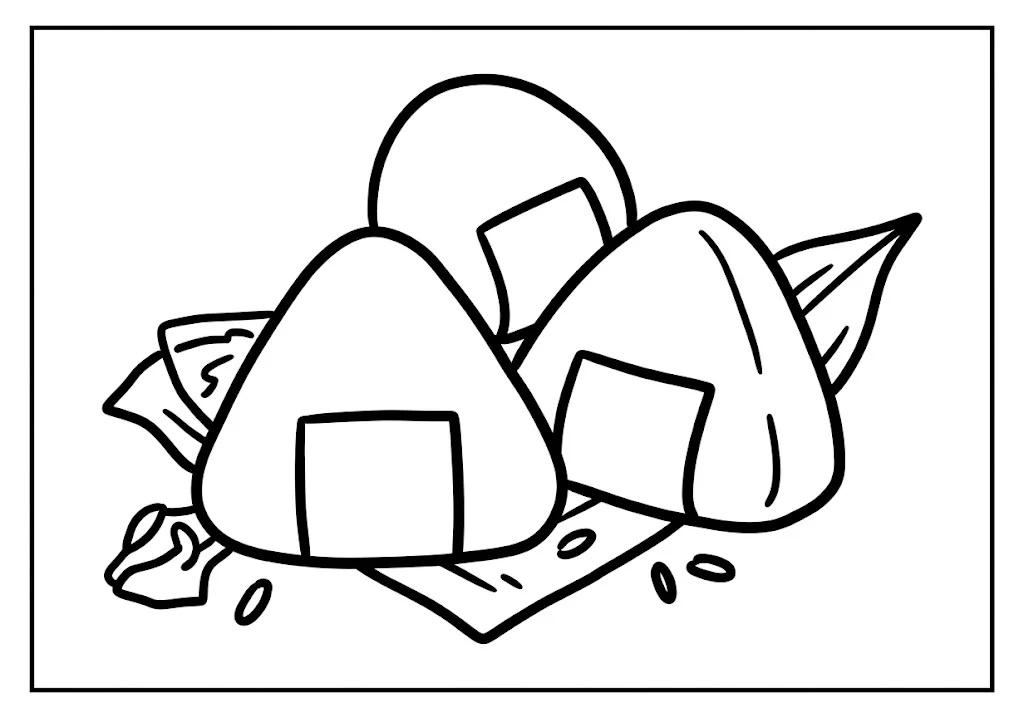
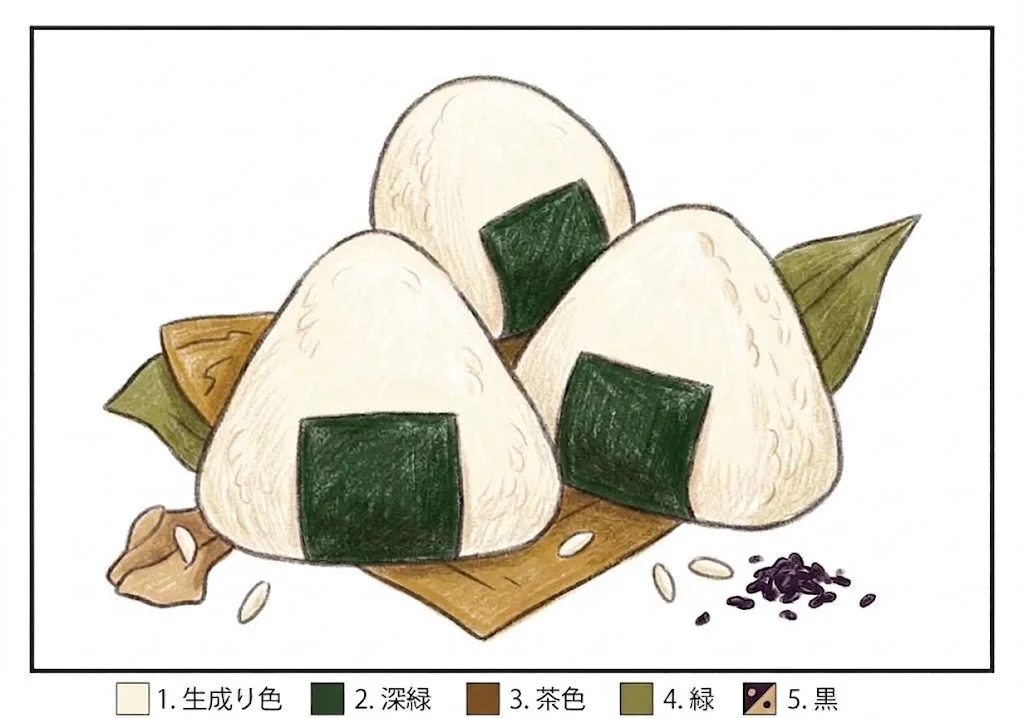
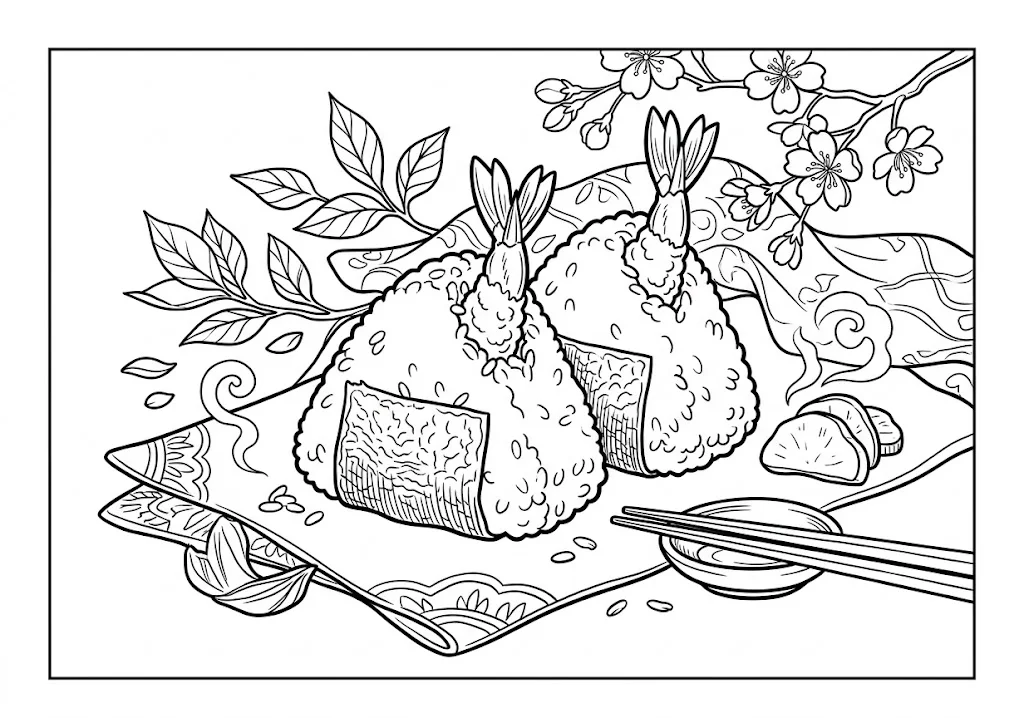
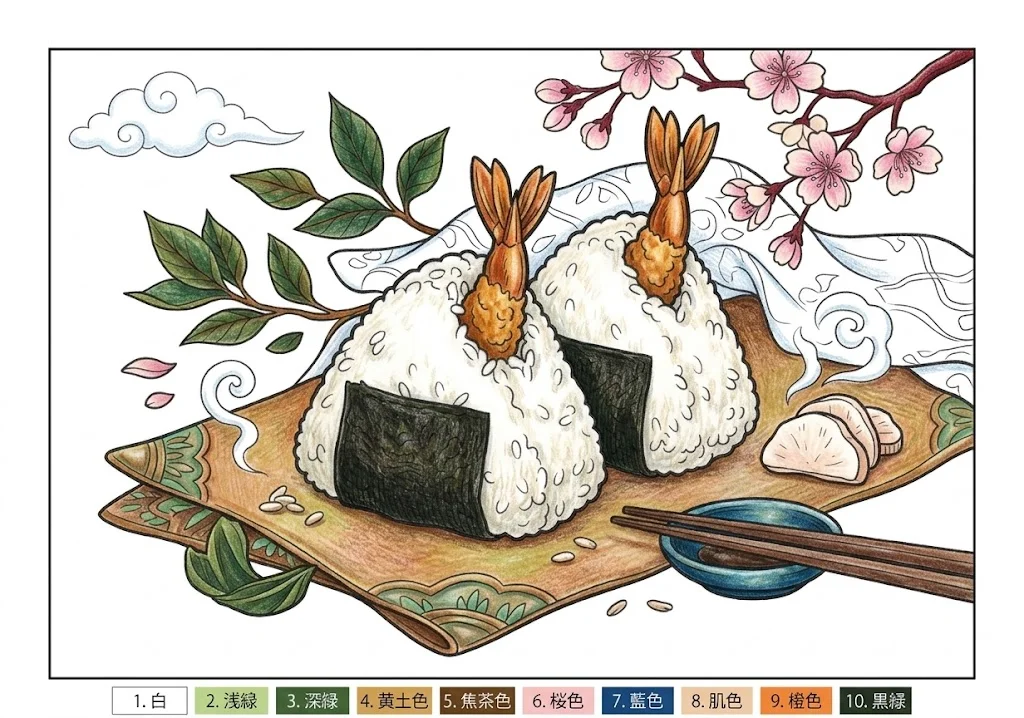
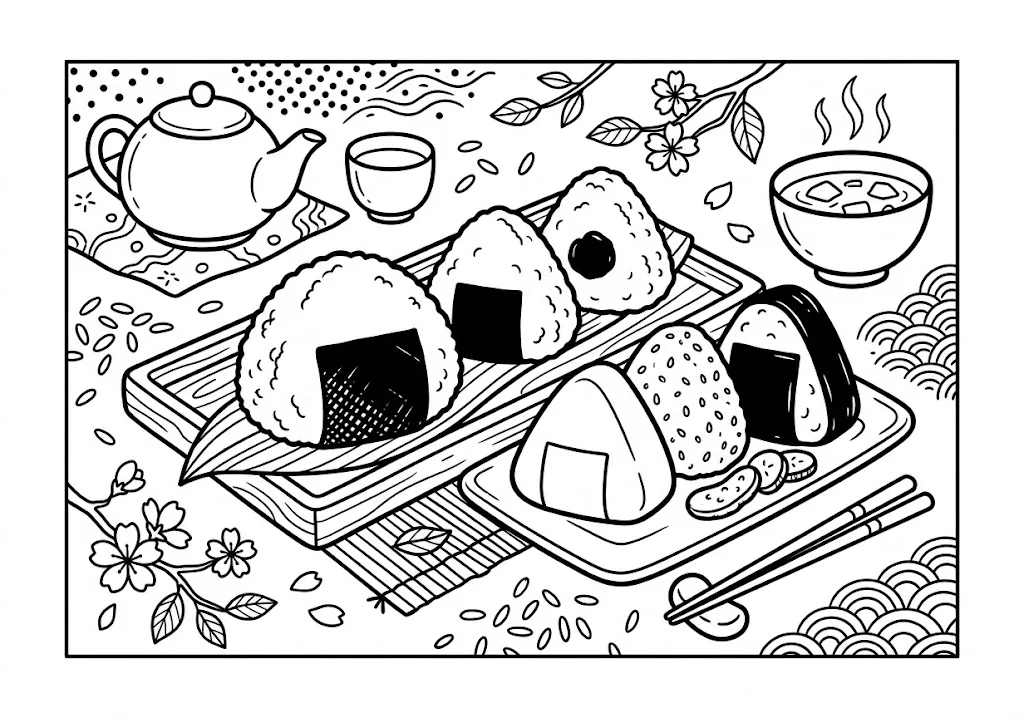
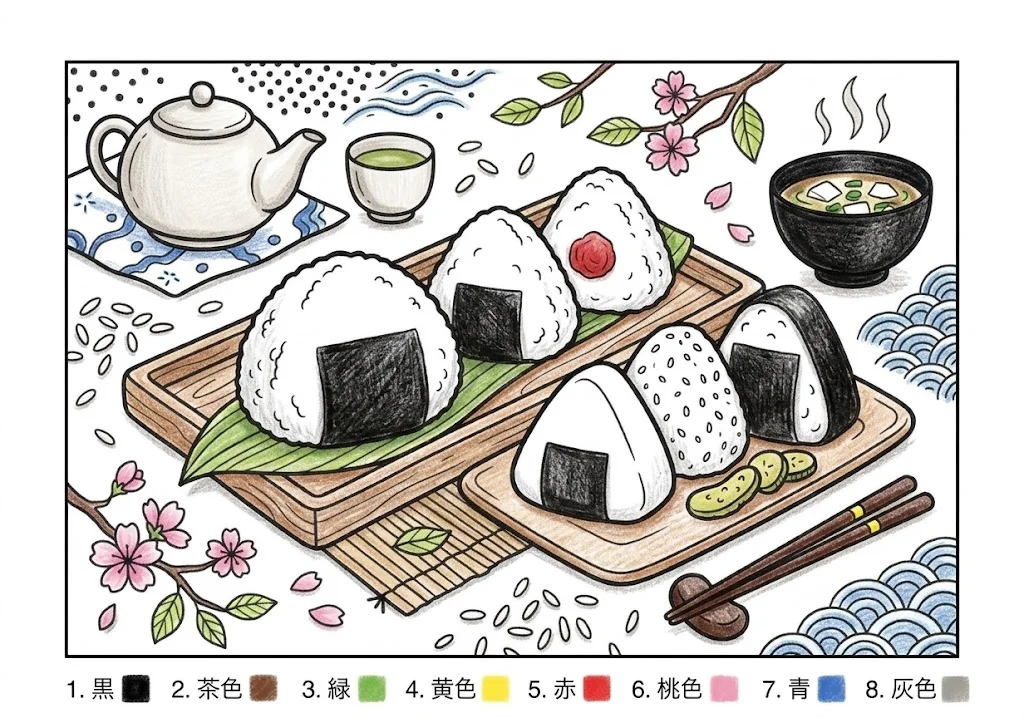
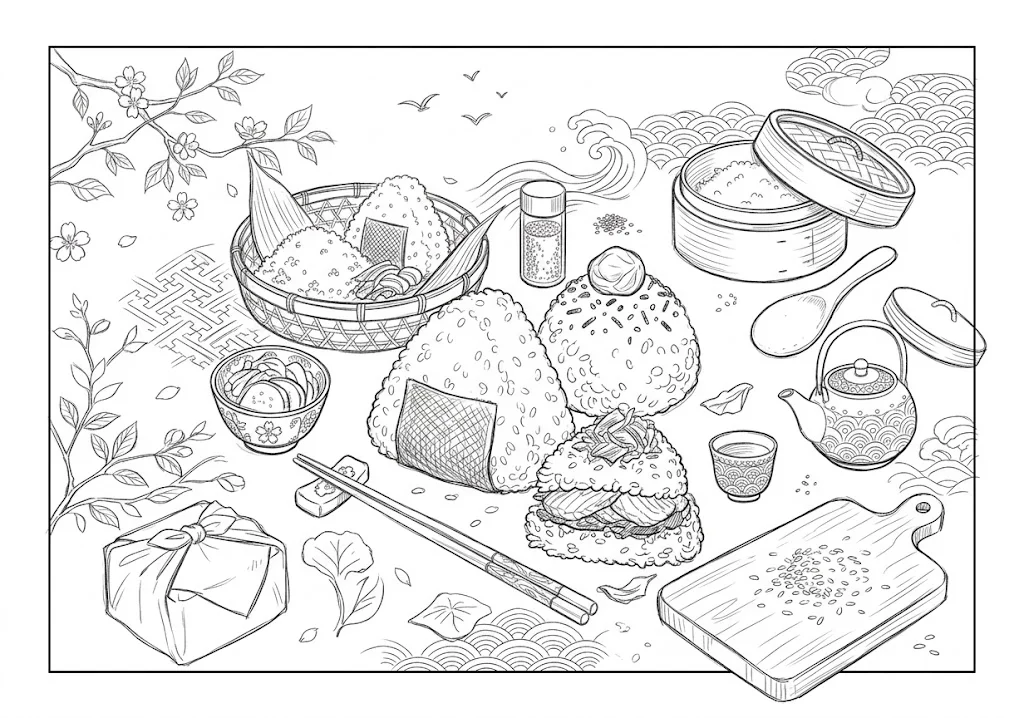
Onigiri is a portion of Japanese rice, lightly salted and pressed by hand into a compact shape — usually a triangle, sometimes a cylinder or a ball — often wrapped in a sheet of crisp nori seaweed and hiding a small filling at its center. It is Japan's original portable meal: no plate and no utensils required, nothing but two hands and a napkin, which has made it a fixture of school lunches, train journeys, picnics, and quick meals grabbed on the way to work for well over a thousand years.
A Meal as Old as Japan Itself
Archaeological finds suggest rice was being shaped and carried as food as far back as the Yayoi period, more than two thousand years ago, and by the Heian period workers were receiving rations of pressed rice called tonjiki as part of their pay. Centuries later, during Japan's long era of civil war, samurai carried onigiri into battle as compact, long-lasting field rations that required no cooking fire to eat. Through every era since, onigiri has remained essentially unchanged in purpose: simple, portable nourishment that anyone can carry and eat anywhere.
The Craft of Shaping
Making onigiri well is a small, quiet skill passed down at home. Warm cooked rice is lightly wetted and salted on the palms, then pressed firmly but gently between cupped hands, turning and shaping it into a neat triangle without crushing the individual grains. A filling is tucked into the center before the final shaping seals it inside. The nori wrapper, added last or sometimes packaged separately to be wrapped just before eating, is meant to stay crisp against the soft rice — a small textural contrast that onigiri lovers take seriously.
What's Hidden Inside
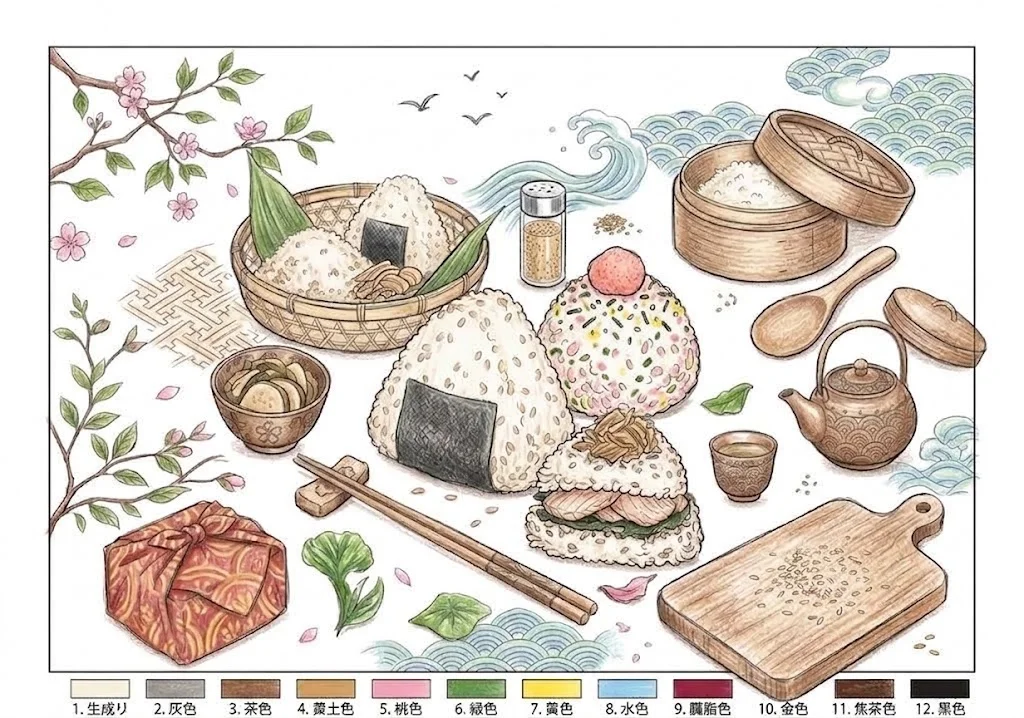
The center of an onigiri is where personal taste and regional tradition show through. Umeboshi, a fiercely sour pickled plum, is the most traditional filling and was historically prized for helping preserve the rice in the days before refrigeration. Salted grilled salmon, savory kombu simmered in soy sauce, and okaka, bonito flakes mixed with soy, are equally beloved classics, while modern convenience store shelves now offer dozens of variations, from tuna mayonnaise to spicy cod roe. Each region and each household tends to have its own favorite, defended with quiet pride.
The Convenience Store Revolution
In 1978, a small but ingenious packaging redesign changed onigiri forever: a plastic film that kept the nori separate and crisp until the very moment of eating, pulled away in one motion by the eater just before the first bite. This innovation made onigiri perfect for convenience stores, and today Japan's konbini sell an astonishing variety around the clock, restocked several times a day, turning a home-cooked staple into one of the most convenient meals in the world without losing its handmade character.
A Taste of Home
For all its convenience-store ubiquity, onigiri's deepest meaning in Japan remains domestic and personal. A mother's or grandmother's homemade onigiri, wrapped in foil or a cloth furoshiki for a child's school lunch or a family outing, is one of Japan's most enduring images of quiet care — appearing again and again in literature, film, and animation as a small, wordless gesture of love. Many adults in Japan will say that no convenience store version, however good, quite matches the taste of the onigiri their mother used to make.
A Simple Food, A Global Curiosity
As Japanese food culture has spread worldwide, onigiri has followed sushi and ramen abroad, though it remains less internationally famous than either — perhaps because its charm is quieter, built on rice and salt rather than raw fish or rich broth. For visitors to Japan, a first bite of onigiri, still warm from a convenience store shelf, is often a small surprise: proof that some of the country's most beloved food asks for nothing more than good rice, a steady hand, and a little patience.
If the nori is separately wrapped in plastic, look for the small numbered tabs and pull them in order — done correctly, the seaweed wraps itself neatly around the rice in one motion, a small trick worth practicing before the first bite.