
About Tochigi
Tochigi Prefecture lies north of Tokyo in the Kanto region, a landlocked landscape of volcanic mountains, highland marshes, and river valleys that has been spiritually significant to the Japanese people for well over a thousand years. Its most famous destination, Nikko, draws millions of visitors annually to witness one of Japan's most extraordinary concentrations of religious architecture, set within a mountain forest designated as a UNESCO World Heritage Site.
Nikko's shrines and temples were developed as a sacred complex in the 8th century, but reached their current splendour in the 17th century when the Tokugawa shogunate commissioned the lavishly decorated Toshogu mausoleum — a monument to the shogunate's founder, Tokugawa Ieyasu. Every surface of Toshogu dazzles with intricate carvings and gold leaf, including the famous "see no evil, hear no evil, speak no evil" trio of monkeys, and the sleeping cat (nemuri neko) above the inner gate.
Beyond Nikko, Tochigi offers the hot spring village of Kinugawa, the scenic marshlands of Senjogahara, and the serene Kegon Waterfall — one of Japan's three great waterfalls — which plunges 97 metres into a forested gorge. The capital, Utsunomiya, is the self-proclaimed gyoza (dumpling) capital of Japan, with more gyoza restaurants per capita than anywhere else in the country.
Featured Spot: Nikko Toshogu Shrine
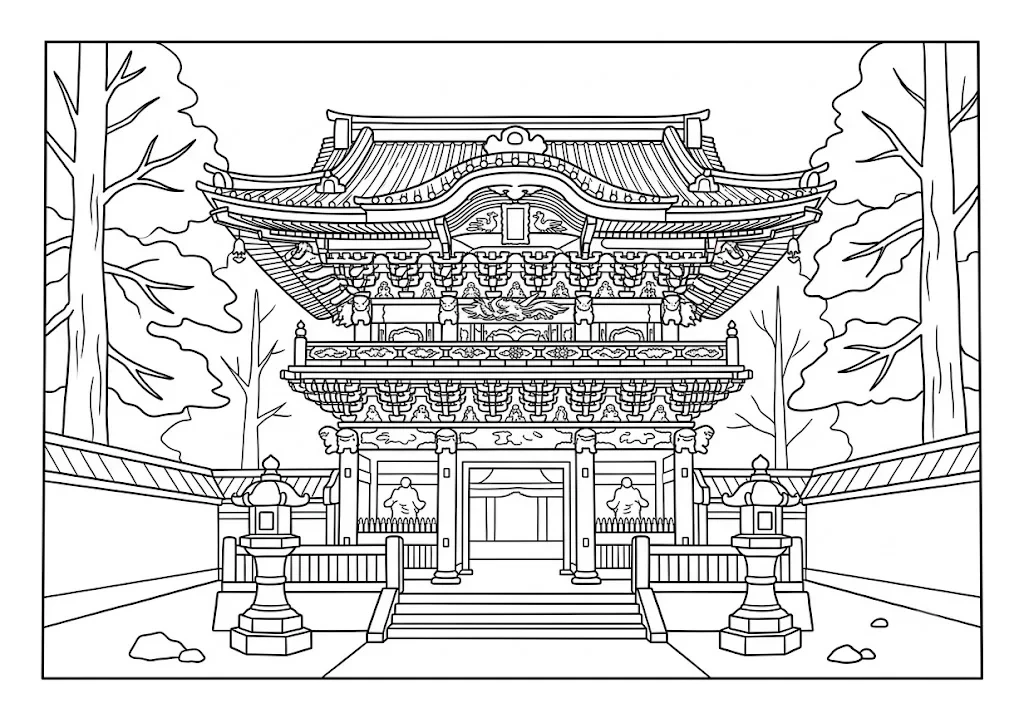
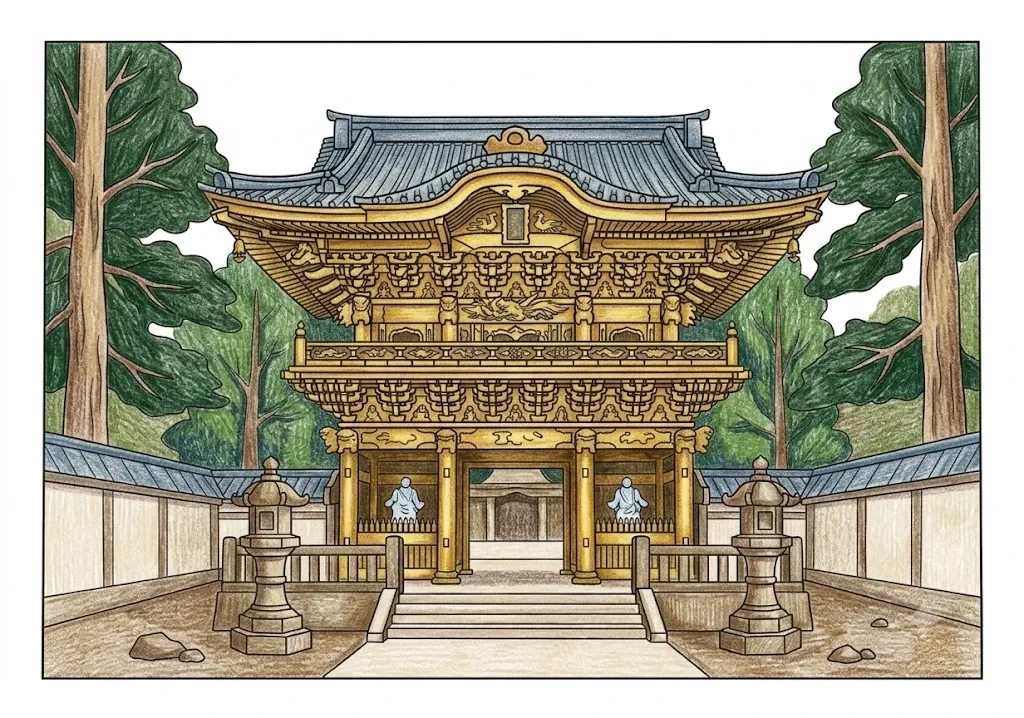
Nikko Toshogu is Japan's most ornate shrine complex, built in 1617 and expanded in 1634 to house the spirit of Tokugawa Ieyasu. Approaching along the cedar-lined Omotesando avenue sets the tone: each step deeper into the forest reveals increasingly elaborate carved gates and halls. The Yomeimon Gate alone features over 500 intricate animal and floral carvings, and the Mikoshi Sacred Stable is home to the renowned "three wise monkeys." A short walk leads to Futarasan Shrine and the tranquil Taiyuinbyo mausoleum, completing a circuit of extraordinary historical art.
What to Experience
- Explore the gold-and-lacquer grandeur of Toshogu's Yomeimon Gate and sacred stables
- Walk the ancient cedar avenue of Nikko's Omotesando, leading into mountain shrine forest
- Admire Kegon Falls — a 97-metre waterfall at its most dramatic after summer rains
- Eat gyoza at one of Utsunomiya's legendary dumpling restaurants for a true local experience
Best Seasons to Visit
Spring (April–May) brings cherry blossoms to Nikko's shrine precincts and fresh green cedar fronds to the mountain avenues. Autumn (mid-October–November) is arguably the best season — the maple trees around Toshogu and Lake Chuzenji ignite in brilliant crimson and gold, and the Kegon Waterfall is framed by fiery foliage. Summer is ideal for hiking the Senjogahara highland marshes. Winter visits are atmospheric and crowd-free, with snow blanketing the temple roofs.