
About Nara
Nara served as Japan's first permanent capital from 710 to 784 AD, and the cultural legacy of that brief but enormously productive period remains astonishingly intact over 1,300 years later. The city and its surroundings contain eight UNESCO World Heritage Sites — an extraordinary concentration reflecting the massive Buddhist temple complexes, Shinto shrines, and ancient forests that the imperial court accumulated during the Nara period.
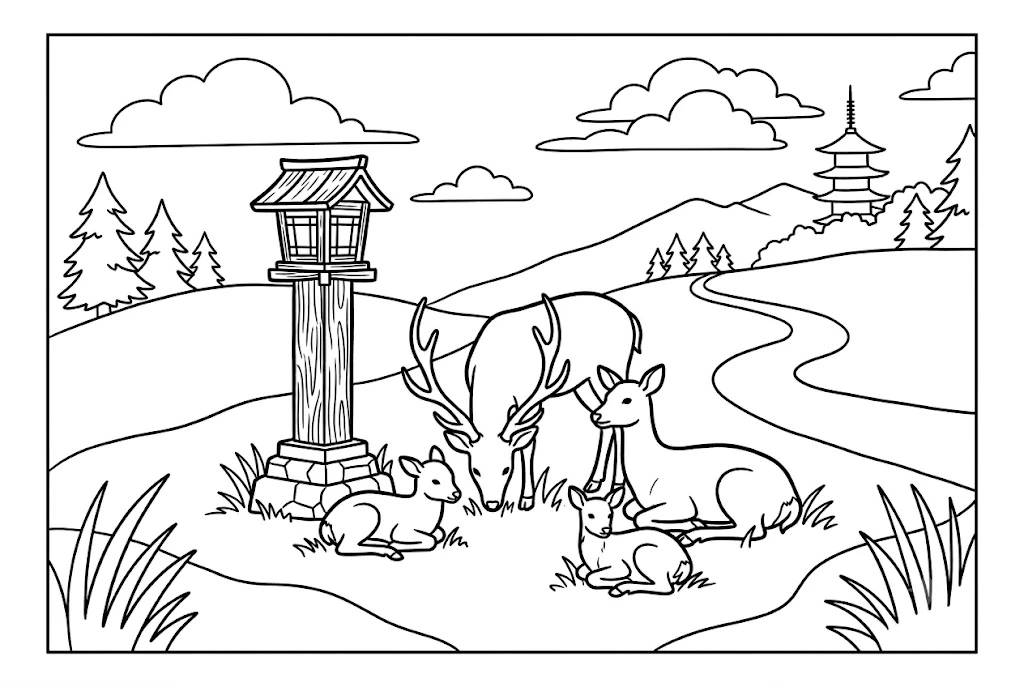
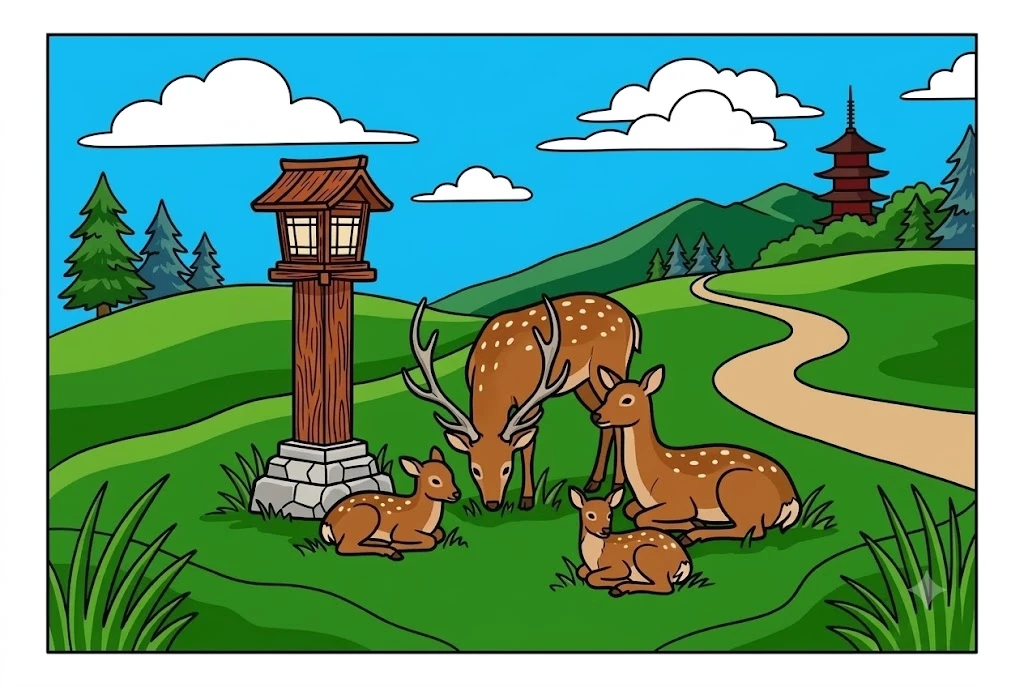
The city's most immediately striking feature is its population of approximately 1,200 freely roaming sika deer, considered divine messengers of the Shinto deity enshrined at the great Kasuga Taisha shrine. Protected for centuries by religious decree, the deer have coexisted with humans so long that they have developed a bowing gesture to request food from visitors, mimicking the motion humans use when offering deer crackers. They wander through temple grounds, city parks, and even shopping streets with complete confidence.
Nara's temples reflect the artistic zenith of Nara Buddhism, when the Japanese court was importing Chinese Tang-dynasty culture with passionate enthusiasm. The Great Buddha Hall (Daibutsuden) at Todaiji, rebuilt to two-thirds of its original size, remains the world's largest wooden building. The Shosoin repository on Todaiji's grounds houses over 9,000 imperial treasures from the 8th century, opened for brief public display each autumn. Nearby Horyu-ji, founded in 607 AD, is widely regarded as the world's oldest surviving wooden structure.
Featured Spot: Nara Deer Park & Todaiji
Todaiji Temple's Great Buddha (Daibutsu) is one of Japan's most awe-inspiring sights. The bronze figure of Vairocana Buddha, completed in 752 AD, stands 14.98 meters tall and was cast using 500 tons of bronze, 130 kilograms of gold, and countless other materials. The casting process required multiple attempts, consuming the nation's known bronze reserves. The dedication ceremony in 752 was the largest spectacle in Japanese history, attended by 10,000 monks and dignitaries. Inside one of the hall's wooden pillars is a rectangular hole said to match the size of the Buddha's nostril — squeezing through it grants enlightenment, according to popular belief.
What to Experience
- Hand-feed bowing sika deer in Nara Park, sacred messengers of the gods
- Stand before the immense Great Buddha at Todaiji, cast in 752 AD
- Visit Horyu-ji, the world's oldest wooden buildings still standing
- Explore Kasuga Taisha shrine lit by thousands of stone and bronze lanterns
Best Seasons to Visit
Spring (late March–April) brings cherry blossoms to the deer park and a traditional 'deer-calling ceremony' at Kasuga Taisha. Autumn (October–November) is arguably the finest season, with golden foliage, the Shosoin imperial treasure exhibition, and the Kasuga Wakamiya On-Matsuri festival in December. Summer is warm and sees spectacular firefly displays at Kasugayama forest. Winter brings a haunting atmosphere of mist and emptiness that reveals the ancient sites at their most meditative.