
About Nagano
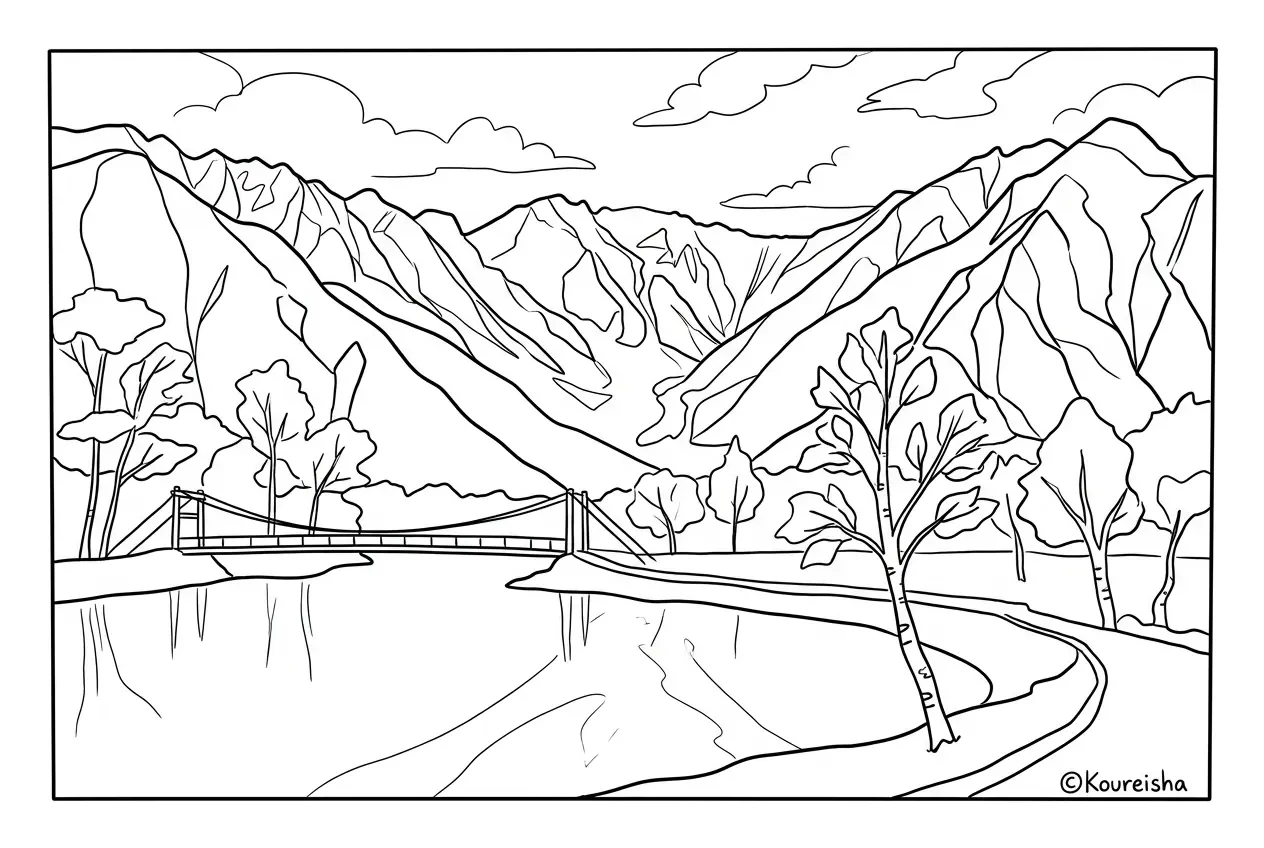
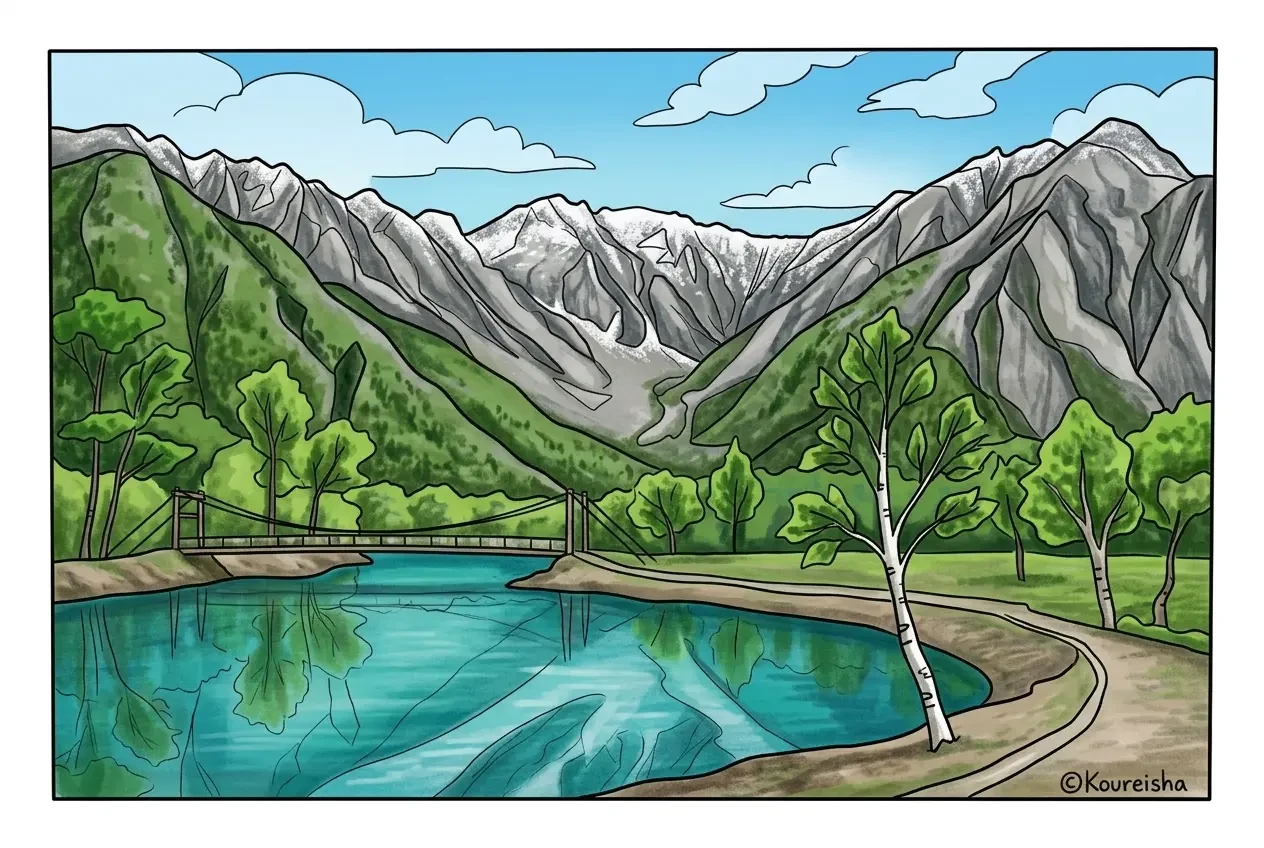
Nagano Prefecture sits at the mountainous heart of Honshu, bordered by eight other prefectures and containing some of Japan's most dramatic alpine scenery. Hosting the 1998 Winter Olympics, Nagano is synonymous with world-class ski resorts, but its appeal extends far beyond snow sports — ancient mountain temples, black-lacquered castles, and steaming hot spring villages each attract visitors throughout the year.
The Japanese Snow Monkeys (macaques) of Jigokudani Monkey Park near Yamanouchi are among Japan's most photographed wildlife subjects. These adaptable primates have discovered that soaking in the thermal pools of the mountainside hot springs through winter keeps them warm and comfortable, and visitors can walk alongside them on the snowy trail to observe their surprisingly human-like bathing behavior up close.
Nagano City itself preserves the magnificent Zenkoji Temple, which has attracted pilgrims for over 1,400 years and enshrines what is believed to be Japan's first Buddhist statue. The city's wide, mountain-framed streets create a sense of spacious calm unusual for a Japanese prefectural capital. Nearby, the Obuse area is a beautifully preserved merchant town famous for its association with the artist Hokusai, who spent his final years painting extraordinary ceiling frescoes in local temple buildings.
Featured Spot: Matsumoto Castle
Matsumoto Castle, looming over the city in dramatic black and white, is one of Japan's five original surviving castle towers — never destroyed, never rebuilt, standing exactly as it was completed in the 1590s. Its distinctive crow-black exterior walls contrast with white plaster and red-lacquered interior corridors, earning it the nickname 'Crow Castle.' The six-story keep contains displays of firearms, armor, and castle construction history. The surrounding moat reflects the castle's dramatic silhouette, especially beautiful in spring with cherry blossoms or in winter against snow-dusted mountains.
What to Experience
- Watch snow monkeys bathing in mountain hot springs at Jigokudani in winter
- Explore the original black-walled Matsumoto Castle, Japan's finest surviving keep
- Ski world-class slopes at Hakuba, Shiga Kogen, or Nozawa Onsen
- Soak in outdoor hot springs at Shibu Onsen, unchanged for centuries
Best Seasons to Visit
Winter (December–March) is peak season for skiing at Hakuba and Shiga Kogen, and for seeing snow monkeys at their most photogenic in steaming pools surrounded by snow. Spring brings cherry blossoms to Matsumoto Castle's moat in late April. Summer is ideal for alpine hiking in the Tateyama range and Kamikochi highland valley. Autumn transforms the mountains with vivid foliage, particularly spectacular along the Karasawa valley trails.