
About Yamanashi
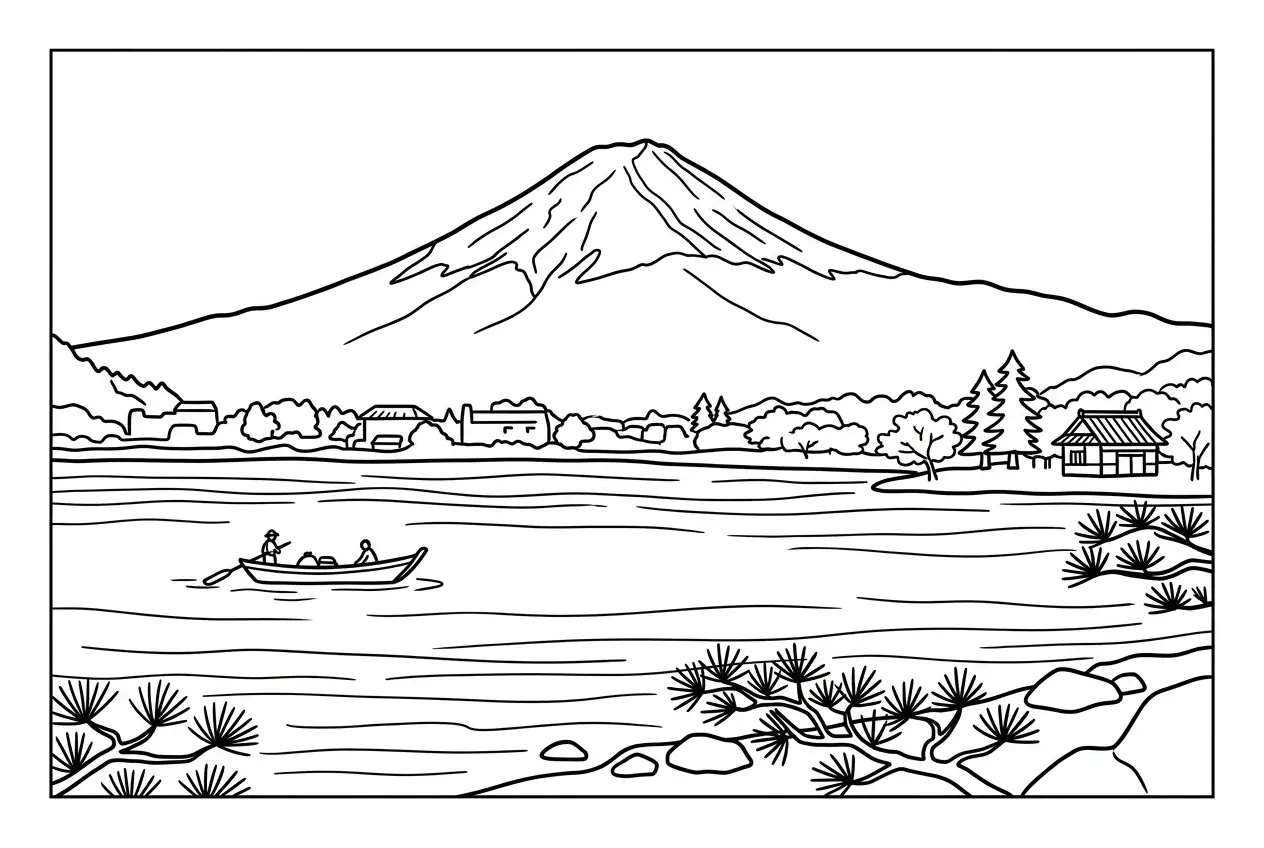
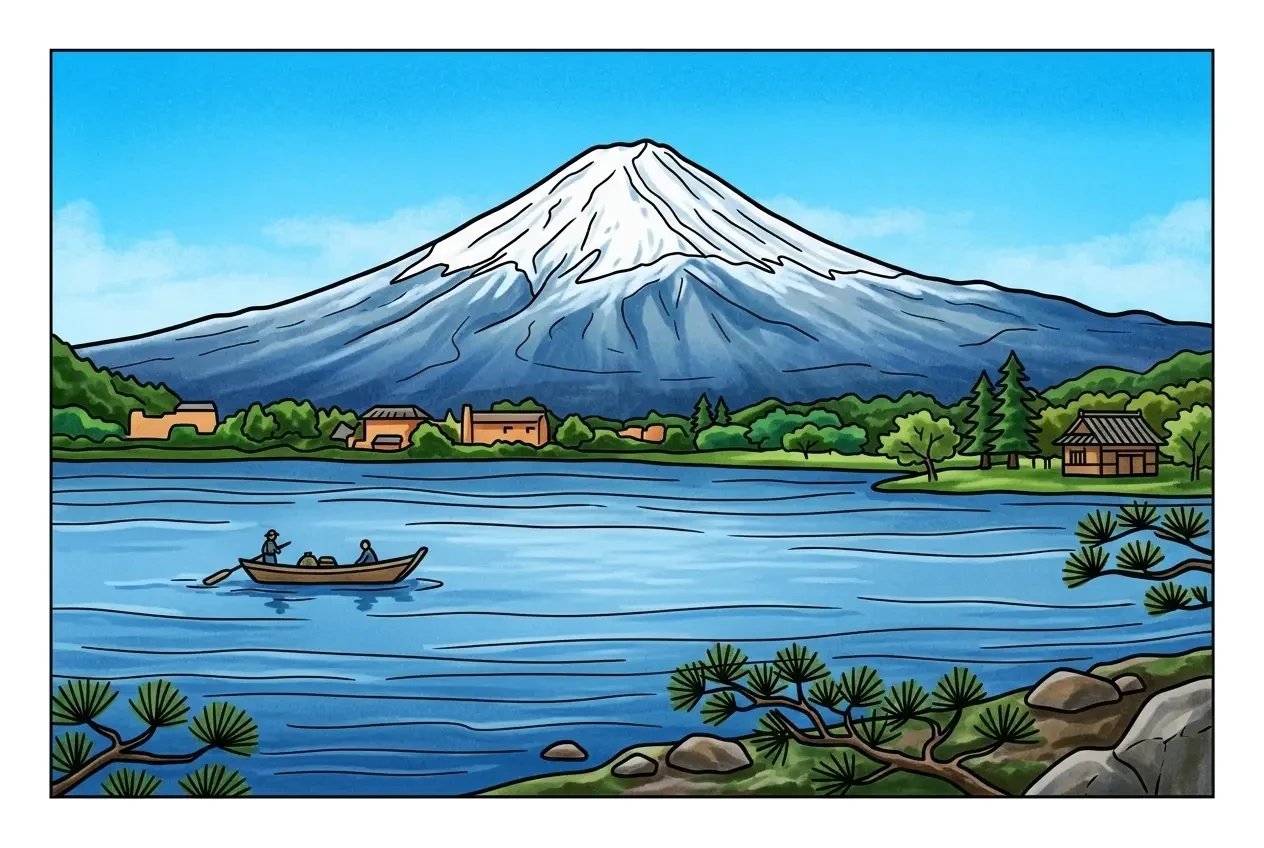
Yamanashi Prefecture is landlocked among mountain ranges in central Honshu, yet holds Japan's most iconic natural landmark — Mt. Fuji — within its borders. The prefecture's northern face of Fuji, with the serene Fuji Five Lakes scattered at its base, provides the classic postcard view of Japan's sacred volcano that has inspired artists and pilgrims for centuries.
Beyond Fuji, Yamanashi has quietly developed into Japan's premier wine-producing region. The Katsunuma area in the Kofu Basin has cultivated grapes since the Meiji period, benefiting from a continental climate with warm days, cool nights, and low humidity. Japanese-cultivated Koshu grapes produce a distinctive white wine uniquely suited to Japanese cuisine, and the region's dozen-plus wineries welcome visitors for tastings and cellar tours.
The prefecture's geography created both opportunities and challenges for its people. The Kofu Basin, ringed by mountains exceeding 3,000 meters, traps summer heat and winter cold in extremes that favor fruit cultivation — Yamanashi peaches, grapes, and plums are regarded as Japan's finest, often sold as luxury gifts. The Shosenkyo Gorge north of Kofu offers dramatic granite rock formations, waterfalls, and suspension bridges through scenic cedar woodland.
Featured Spot: Fuji Five Lakes
The Fuji Five Lakes — Kawaguchiko, Yamanakako, Saiko, Shojiko, and Motosuko — form a crescent at the northern foot of Mt. Fuji, each offering subtly different perspectives of the volcano. Lake Kawaguchiko is the most accessible and popular, its northern shore providing the classic reflection-pool photograph with cherry blossoms in spring or autumn foliage. Lake Motosuko, the deepest and westernmost, features the precise view printed on the old 1,000-yen banknote. The Fuji Visitor Center and multiple trail access points make the lakes the primary base for Fuji climbing season (July–August).
What to Experience
- See Mt. Fuji perfectly reflected in Lake Kawaguchiko at dawn in spring or autumn
- Climb Japan's most sacred peak, Mt. Fuji, during the official climbing season
- Tour Katsunuma wineries and taste Yamanashi's award-winning Koshu white wine
- Taste Yamanashi's legendary peaches, grapes, and houtou pumpkin noodle soup
Best Seasons to Visit
Spring (late March–late April) is the most popular season, when cherry blossoms frame Mt. Fuji in the iconic postcard view at Lake Kawaguchiko. Autumn (October–November) brings vivid foliage that creates equally stunning Fuji reflections. Summer (July–August) is the only period for official Fuji climbing, though views can be obscured by clouds. Winter offers the clearest views of Fuji's snow-capped peak against brilliant blue skies.