
About Tokushima
Tokushima Prefecture occupies the northeastern corner of Shikoku Island, its eastern coast facing the Kii Channel and Naruto Strait while its interior rises into the wild Shikoku Mountains, carved by the upper reaches of Japan's longest river, the Yoshino. The prefecture's geography — rugged mountains, dramatic coastline, and fertile river delta — has shaped a people known for their independent spirit and fervent devotion to tradition.
The Awa Odori is Tokushima's defining institution — Japan's largest Obon dance festival, held for four days around August 15-16 each year, when over 100,000 dancers and musicians in traditional costumes fill the streets with the sound of shamisen, taiko, and bells from dusk until past midnight. The festival's characteristic shuffling gait and playful spirit are captured in the famous verse: 'Dancing fools and watching fools — both are fools, so why not dance?'
The Iya Valley, deep in the Shikoku Mountains, is one of Japan's last genuine hidden valleys — its steep gorges, suspension vine bridges, and thatched farmhouses clinging to near-vertical cliffs represent a way of life that persisted largely unchanged until the mid-20th century. The valley was historically a refuge for defeated samurai clans, including survivors of the Taira clan after their defeat at the Battle of Dan-no-ura in 1185, and its inaccessibility preserved both its people and its traditions.
Featured Spot: Awa Odori Festival
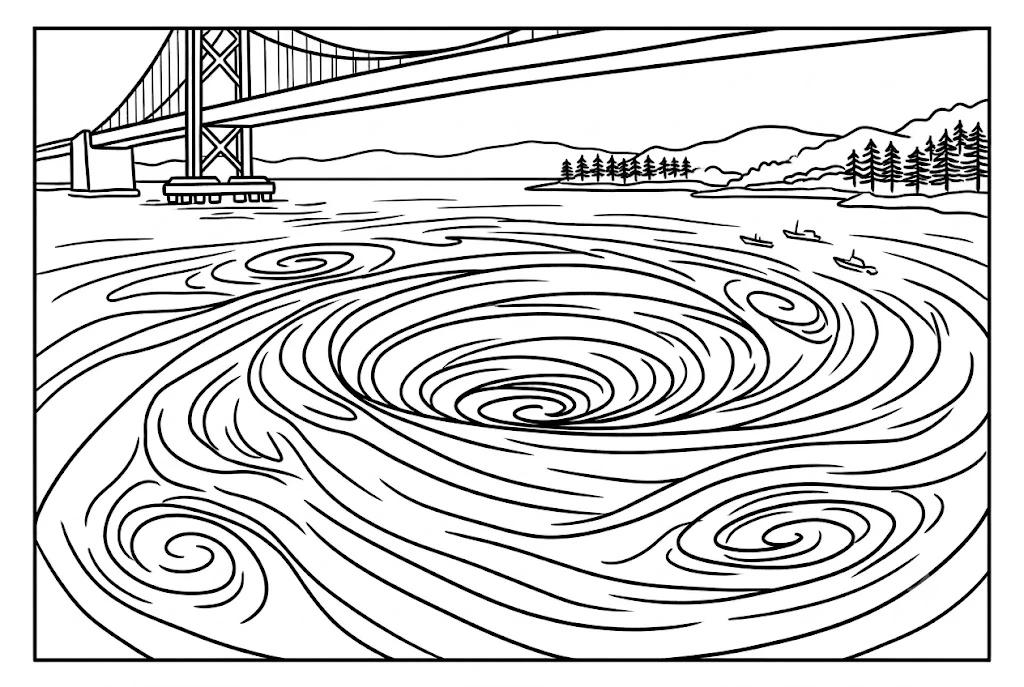
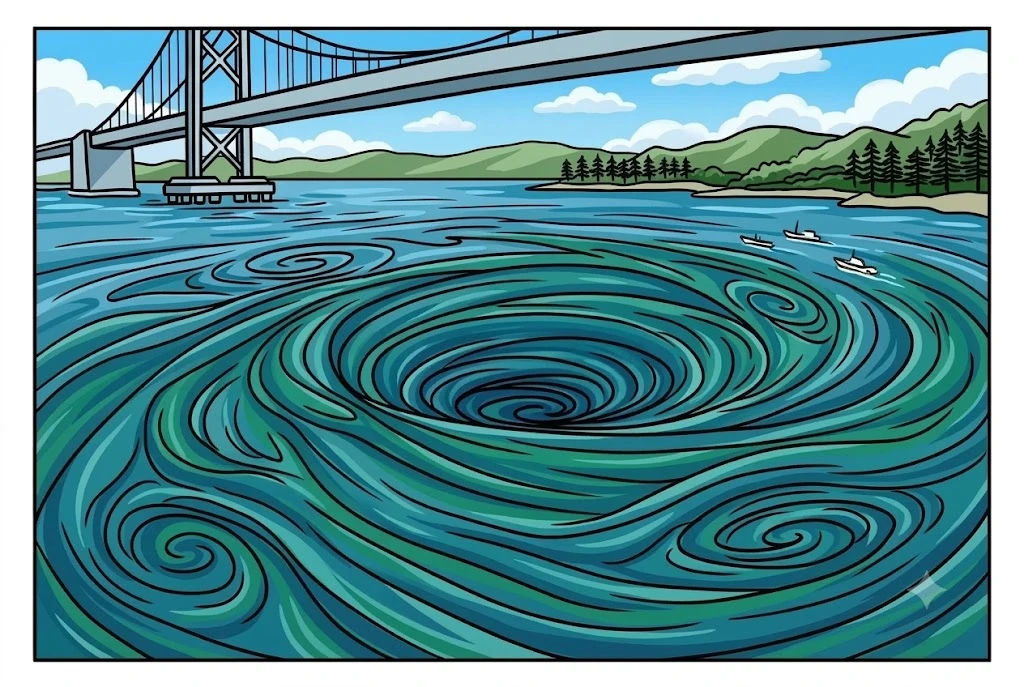
The Naruto Whirlpools in the Naruto Strait — the narrow channel between Tokushima's Naruto Peninsula and Awaji Island — generate some of the world's most powerful tidal whirlpools, reaching up to 20 meters in diameter and occurring four times daily as tidal flows reverse. The phenomenon is caused by the massive difference in water level between the Seto Inland Sea and the Pacific Ocean, creating currents of up to 15 km/h that spiral into impressive vortices. Observation boats approach at close range while a glass-floored walkway above the strait allows views looking directly down into the churning water.
What to Experience
- Dance in the street during Awa Odori festival or watch the nightly processions
- Take a boat into the famous Naruto whirlpools as they spiral in the strait
- Hike the Iya Valley and cross ancient vine suspension bridges over gorges
- Drive the scenic Tokushima-Kochi mountain route through wild Shikoku highlands
Best Seasons to Visit
Summer (August) is the unmissable season — the Awa Odori festival in mid-August is one of Japan's great communal experiences, transforming the entire city. Autumn (October–November) brings beautiful foliage to the Iya Valley and pleasant hiking weather in the mountains. Spring offers comfortable exploration of the coast and cultural sites. Naruto whirlpools are most dramatic in spring and autumn when tidal differentials are greatest.