What Is a Matcha Parfait?
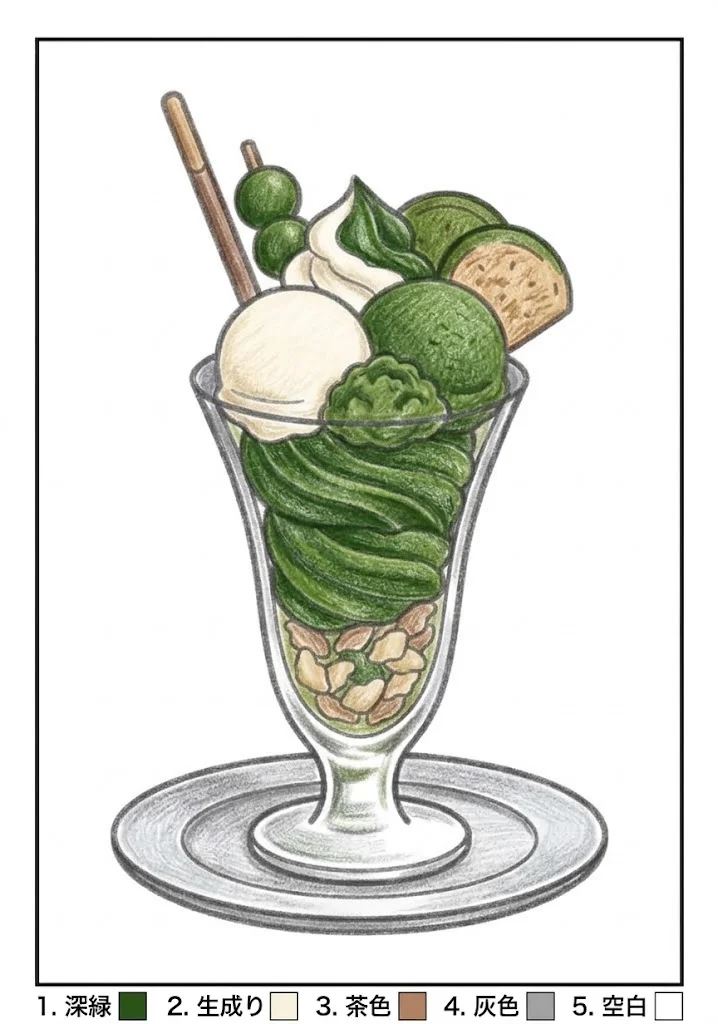
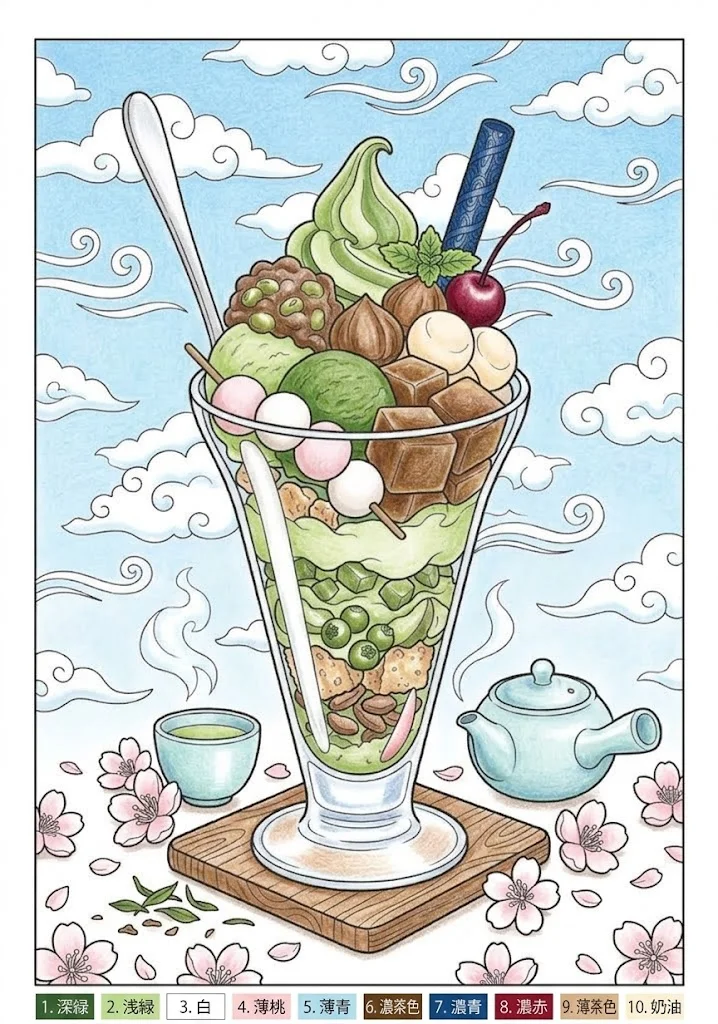
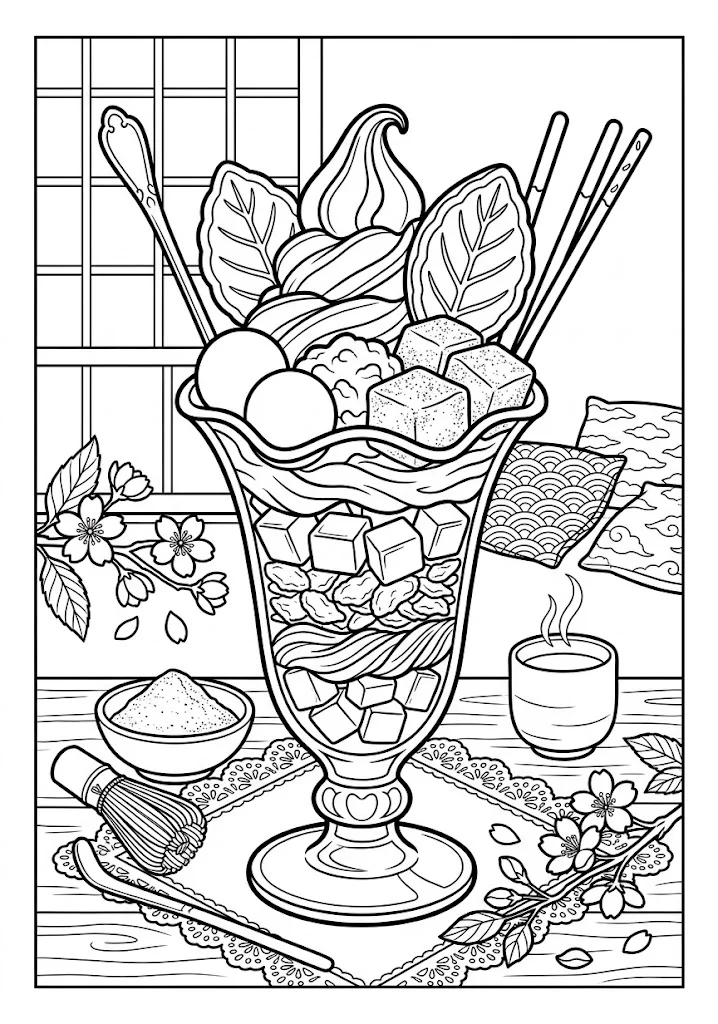
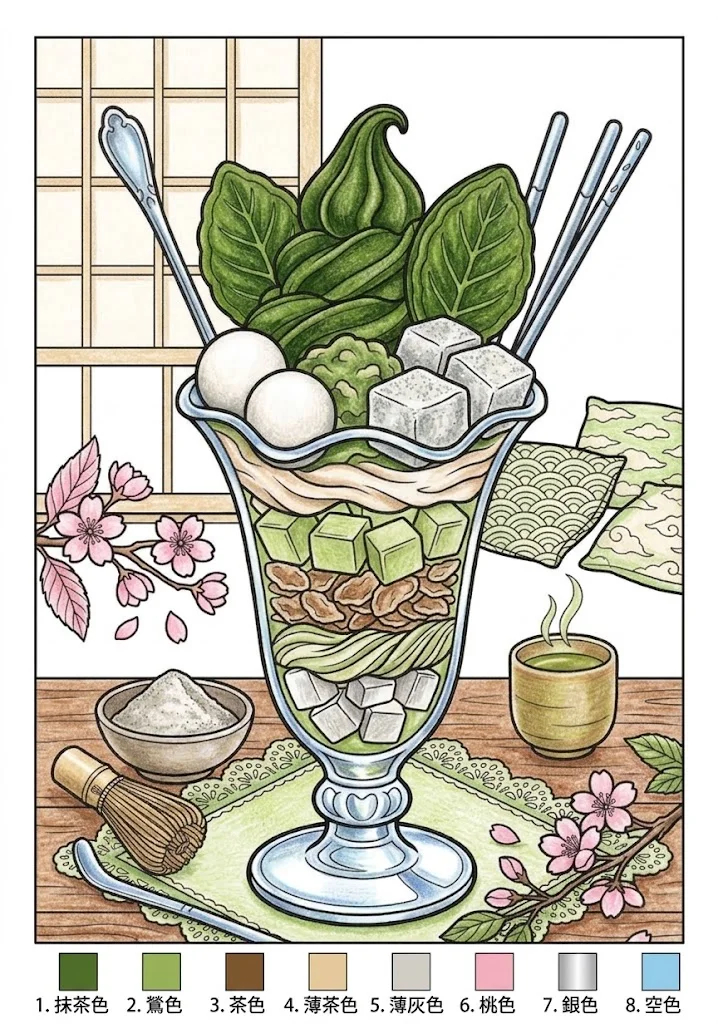
A matcha parfait is a tall dessert served in a glass, layering jade-green matcha ice cream, soft matcha jelly, sweetened red bean paste, chewy rice dumplings, and billows of whipped cream, often finished with a delicate matcha sponge cake and a dusting of matcha powder. It borrows its glass and its French name from the European parfait, but nearly everything inside — from the tea itself to the red bean and mochi — is unmistakably Japanese. The result is a dessert that is at once elegant, slightly bitter, and deeply comforting.
From Tea Ceremony to Dessert Glass
Matcha has roots stretching back more than 800 years, when Zen Buddhist monks brought powdered tea preparation from China and built around it the formal tea ceremony, chanoyu. For centuries matcha was reserved for ritual and quiet contemplation, whisked into a bowl and sipped slowly alongside a small traditional sweet, or wagashi, chosen to balance its gentle bitterness. It was only in the twentieth century, as Japan absorbed Western-style cafés and desserts, that matcha began appearing in ice cream, cake, and eventually the towering parfait glass — a meeting point between centuries-old ceremony and modern café culture.
Grading the Green
Not all matcha is equal, and the difference matters enormously to flavor. Ceremonial-grade matcha, made from the youngest, shade-grown leaves and stone-ground to a silky powder, is vividly green, naturally sweet, and reserved for drinking on its own. Culinary-grade matcha, slightly more bitter and robust, is what gives parfaits, lattes, and baked goods their character without being overwhelmed by cream and sugar. The town of Uji, near Kyoto, has cultivated tea for nearly a thousand years and is still considered the gold standard; a parfait made with "Uji matcha" on the menu is a small promise of quality.
Anatomy of a Parfait
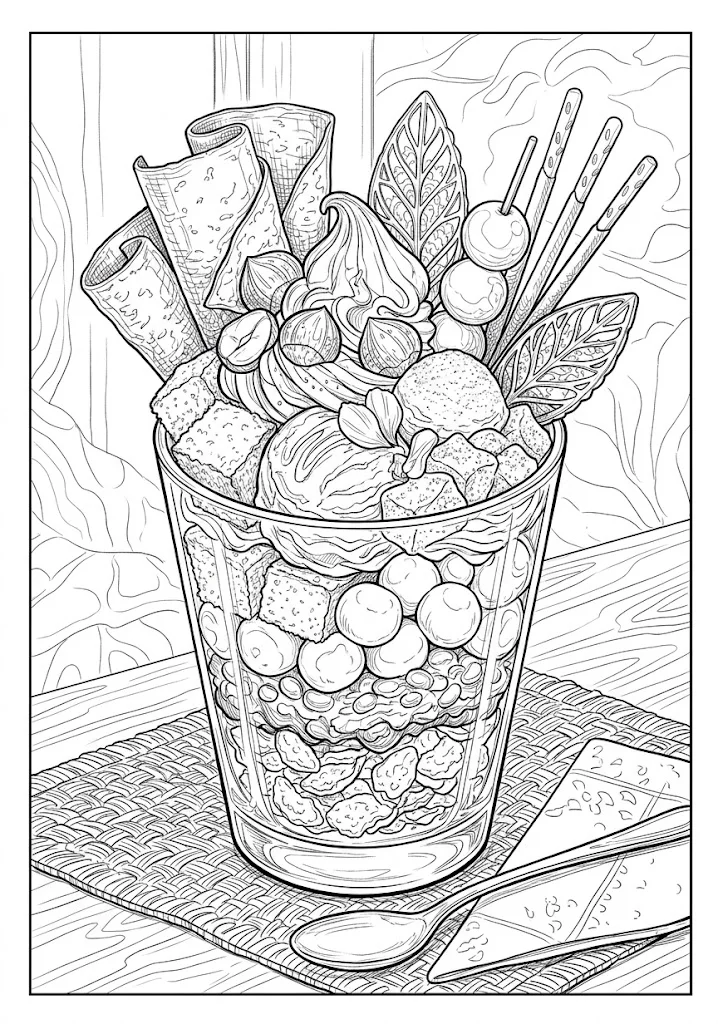
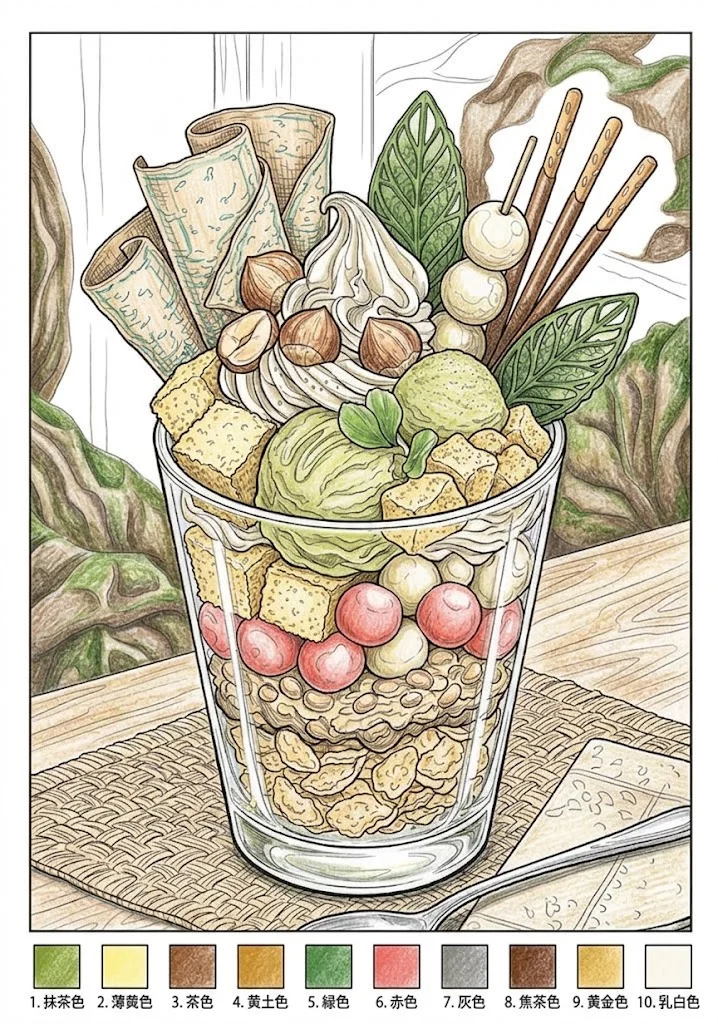
A well-made matcha parfait is built in careful layers, meant to be eaten from the top down with a long spoon that reaches all the way to the glass's base. Beneath the ice cream and cream sit shiratama, small chewy rice-flour dumplings; sweetened anko, a smooth red bean paste that has flavored Japanese desserts for centuries; cubes of matcha jelly; and often a scattering of crisp cornflakes or roasted soybeans for texture. Every spoonful is designed to mix a little of everything — bitter tea, sweet bean, soft mochi, cold cream — in a single bite.
A Kyoto Specialty, A National Favorite
While matcha desserts are loved across Japan, Kyoto and the surrounding Uji region are their spiritual home, and tea houses there have served matcha sweets for generations. In recent decades the matcha parfait has spread far beyond traditional tea houses into modern cafés, department store dessert counters, and convenience stores nationwide, becoming one of the country's most photographed and most ordered sweets, especially in the warmer months when a cold, bittersweet dessert is especially welcome.
A Flavor That Traveled the World
In the past two decades matcha has become one of Japan's most successful culinary exports, appearing in cafés from Paris to New York in lattes, cakes, and ice cream long before most visitors ever taste a proper parfait in Kyoto. That global familiarity has, if anything, made the real thing more appealing to travelers — a chance to taste matcha not as a trendy flavor added to a Western dessert, but as the centuries-old Japanese ingredient it actually is, served in the layered glass form the Japanese themselves invented.
Start from the top and work down with a long spoon so that each bite gathers ice cream, jelly, and bean together. If the matcha tastes faintly bitter at first, that sharpness is meant to be there — it is what keeps the dessert from feeling too sweet, and what makes the very last spoonful, mixed with melted cream, taste the best of all.