
About Tottori
Tottori Prefecture lines the San'in Coast on the Sea of Japan, a stretch of dramatic cliffs, hidden coves, and fishing villages that remains one of Japan's least-touristed coastlines. The prefecture has Japan's smallest population of any prefecture, which has paradoxically preserved its landscapes and culture in a state of unhurried authenticity that larger, more prosperous prefectures have lost.
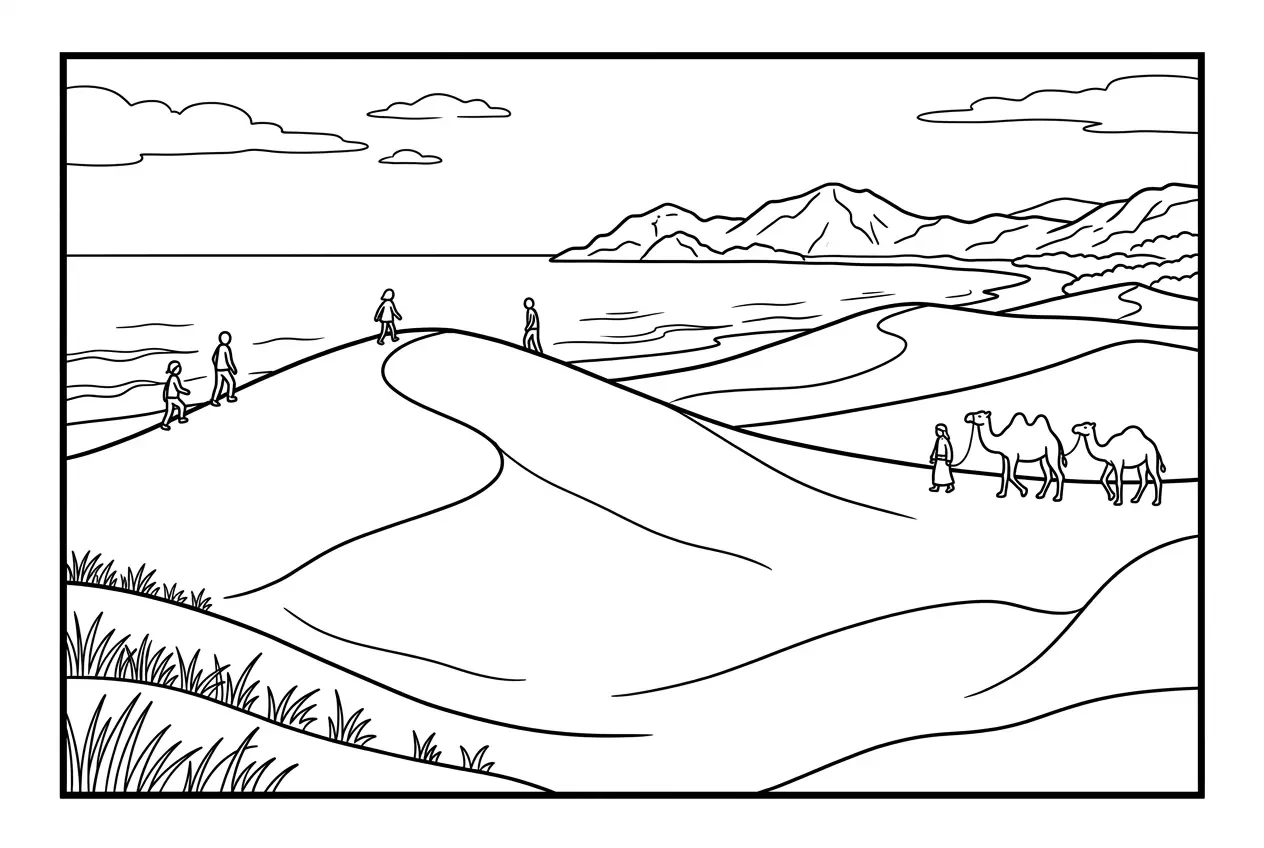
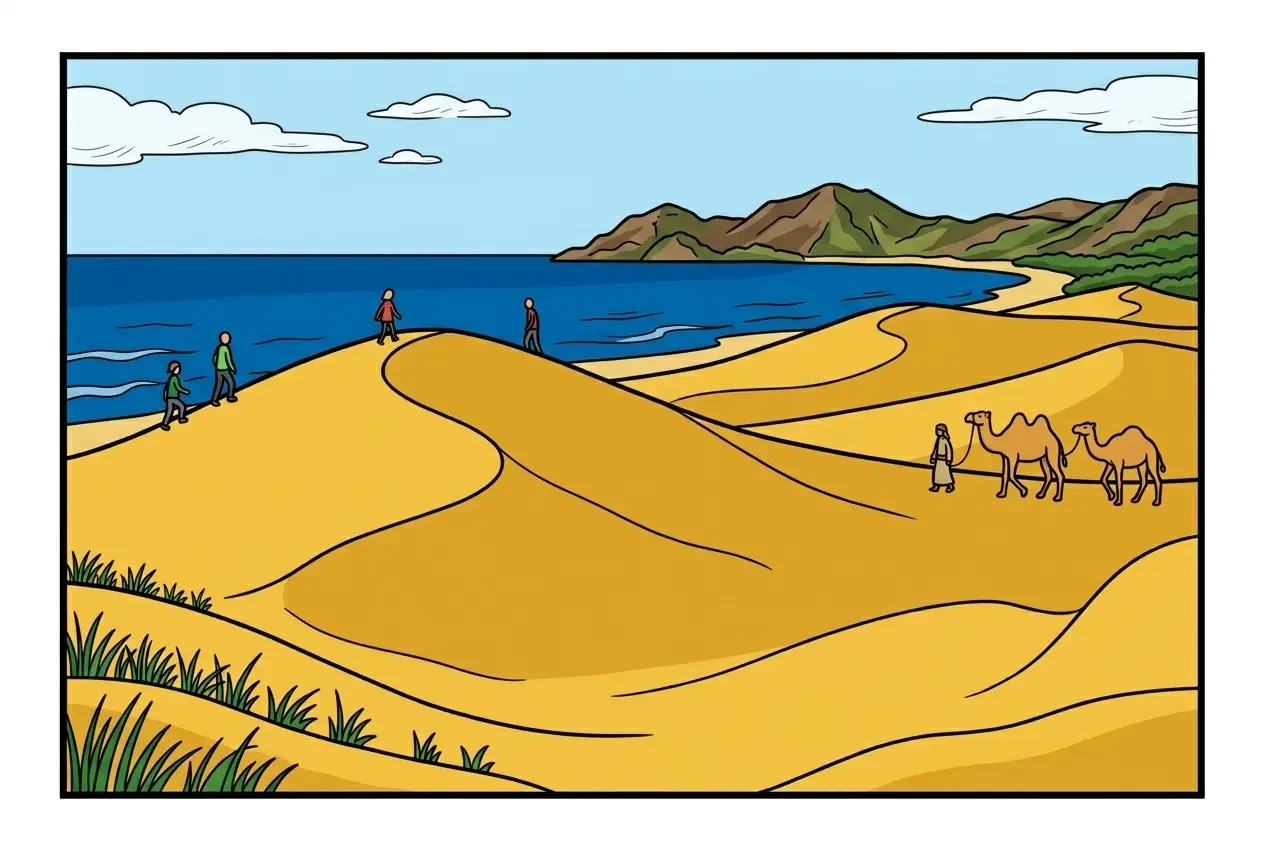
The Tottori Sand Dunes, stretching 16 kilometers along the coast east of Tottori City, are Japan's only significant sand dune system and one of its most surreal landscapes. Rising up to 90 meters above the coastline and replenished by sand carried from the Chugoku Mountains by the Sendai River, the dunes offer an experience entirely unlike any other Japanese attraction — camel rides, paragliding, sandboarding, and sand art sculptures all coexist with the natural drama of wind-sculpted dunes meeting the Japan Sea.
Sakaiminato City is the birthplace of Mizuki Shigeru, Japan's master of horror manga and creator of the beloved GeGeGe no Kitaro series. The city has transformed itself into a pilgrimage site for manga fans worldwide, with over 170 bronze yokai (supernatural creature) statues lining the approach to the Mizuki Shigeru Museum. The creative mix of traditional Japanese supernatural folklore and cartoonish modern interpretation gives Sakaiminato an irresistibly eccentric character.
Featured Spot: Tottori Sand Dunes
The Tottori Sand Dunes (Tottori Sakyu) are formed by a unique combination of geological factors — millennia of sand accumulation from inland mountains, coastal wave action, and persistent prevailing winds have created a landscape that shifts constantly with the seasons and weather. The dunes take different forms in winter (when wind creates sharp ridges) and summer (when tourist activity and heat flatten them). The 'Oasis' area at the dune center reveals how close the freshwater table lies beneath the sand surface. Evening and early morning visits offer the most dramatic shadow play across the dune faces.
What to Experience
- Climb and sandboard the dramatic Tottori Sand Dunes on the Japan Sea coast
- Walk through 170 bronze yokai monster statues in Sakaiminato manga town
- Hike Mt. Daisen, San'in's 'Little Fuji,' through ancient beech forests
- Taste Tottori's celebrated Matsuba crab and fresh Pear (the region's pride)
Best Seasons to Visit
Summer (July–August) is peak season for the sand dunes and coastal activities, though wind can be strong. Winter creates the most dramatic dune photography opportunities with wind-sculpted ridges, and crab season runs November through March. Spring brings pleasant hiking weather for Mt. Daisen. Autumn is ideal for mountain foliage and sampling the famous Tottori pears and Matsuba crab as the season begins.