
About Tokyo
Tokyo — the world's largest metropolitan area with over 37 million people in its greater urban zone — is a city of seemingly infinite layers. As Japan's capital and the seat of the Imperial House for over 150 years, it combines a profound reverence for tradition with an insatiable appetite for the new. Ancient Shinto shrines and Buddhist temples stand minutes from futuristic architecture, neon-lit entertainment districts, and Michelin-starred restaurants.
The city is divided into distinct neighbourhoods, each with its own personality: Asakusa preserves the atmosphere of old Edo with its 7th-century Senso-ji temple and traditional craft shops; Shibuya dazzles with the world's busiest pedestrian scramble crossing; Harajuku showcases Japan's wild street fashion culture; Akihabara hums with electronics and anime culture; and Ginza gleams with luxury boutiques in elegant low-rise buildings.
At the geographic and symbolic heart of Tokyo stands the Imperial Palace, surrounded by expansive gardens and ancient stone walls that were once the outer defenses of Edo Castle. The East Gardens are open to the public and offer a remarkable sanctuary of green calm in the middle of the city. Tokyo's food scene alone could occupy weeks of exploration — from century-old soba shops in Kanda to the world-class sushi of Tsukiji and innovative kaiseki dining in Minami-Aoyama.
Featured Spot: Imperial Palace
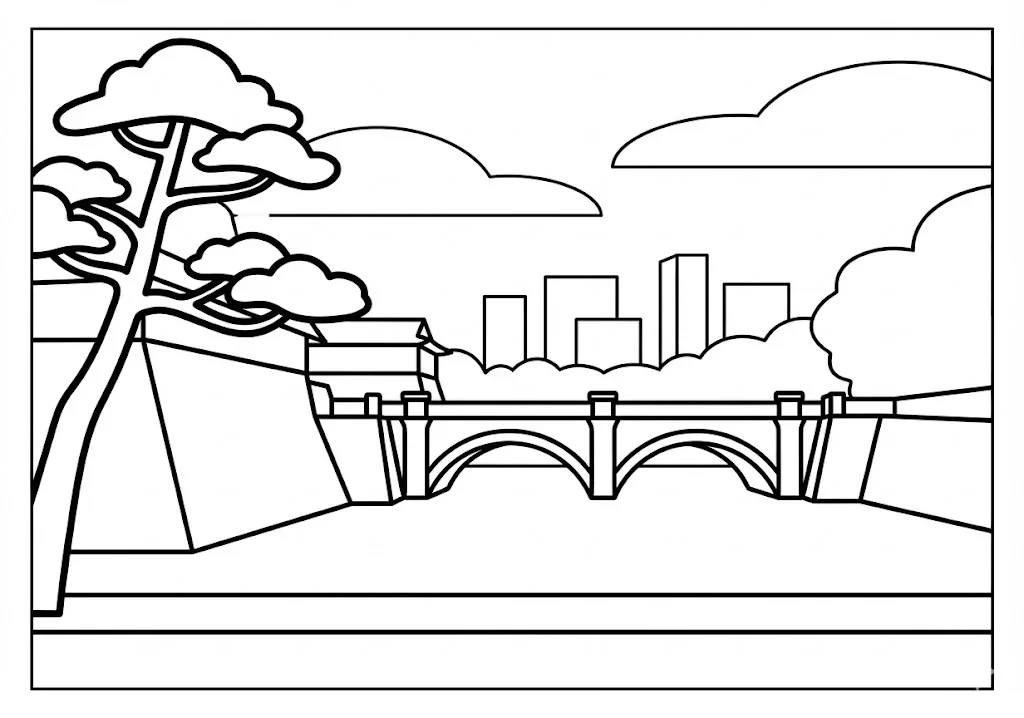
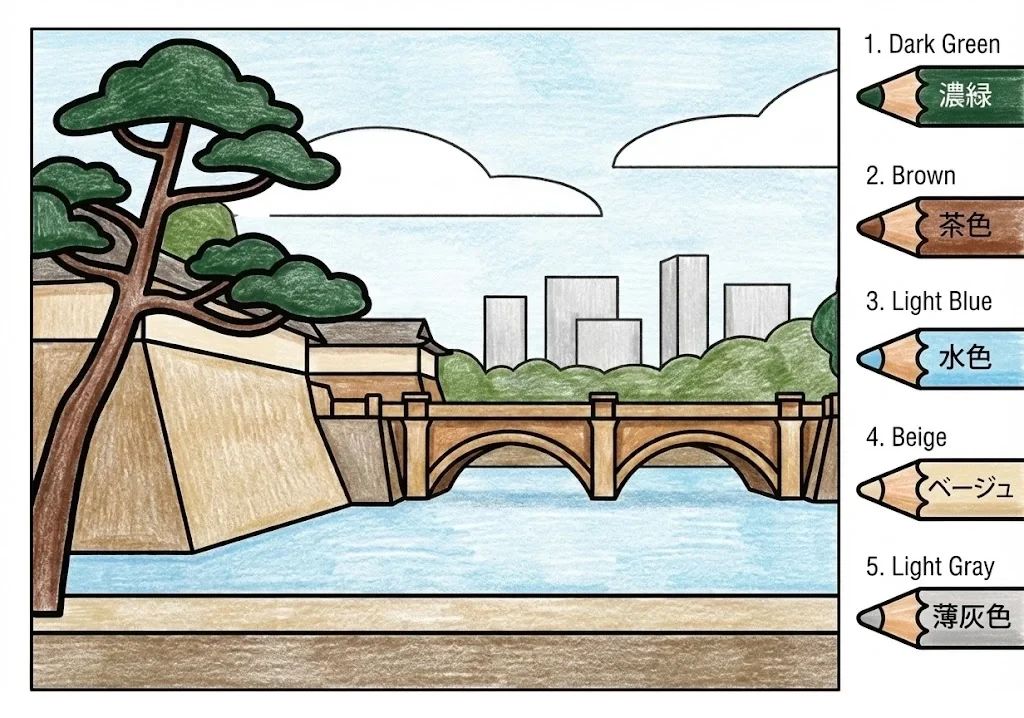
The Imperial Palace occupies the site of Edo Castle, the former seat of the Tokugawa shogunate that ruled Japan for 268 years. Set within 1.15 square kilometres of gardens and forest in the heart of the city, the palace complex is ringed by moats and stone walls that date to the 16th century. The East Gardens (Higashi Gyoen) are open to the public, featuring manicured lawns, seasonal flower beds, and the original castle keep foundations. The Nijubashi double bridge is Tokyo's single most photographed landmark, its graceful stone arch reflected in the palace moat.
What to Experience
- Walk the Nijubashi bridge and East Gardens of the Imperial Palace in the heart of the city
- Explore the 7th-century Senso-ji temple in Asakusa and browse the Nakamise shopping street
- Stand at the Shibuya Scramble Crossing — the world's busiest pedestrian intersection — at peak hour
- Dine at one of Tokyo's 200+ Michelin-starred restaurants or discover a perfect bowl of ramen in a hidden back-alley shop
Best Seasons to Visit
Spring (late March–early April) sees Tokyo's parks and riverbanks erupt in cherry blossoms — Shinjuku Gyoen, Ueno Park, and Chidorigafuchi moat are among the finest spots. Autumn (October–November) brings cool weather and golden ginkgo avenues, particularly spectacular along Meiji Jingu Gaien. Summer brings vibrant festivals including the Sumidagawa Fireworks and Obon celebrations. Winter is festive with illuminations and significantly smaller tourist crowds at major attractions.