
About Hiroshima
Hiroshima Prefecture faces the Seto Inland Sea across an archipelago of mountainous islands, its capital city carrying the weight of history as the site of the world's first atomic bombing on August 6, 1945. From that devastation, Hiroshima rebuilt itself with remarkable speed and purpose, becoming a vibrant, forward-looking city while maintaining its commitment to nuclear abolition and world peace through the Peace Memorial Museum and annual ceremonies.
Hiroshima City today is a modern, livable Japanese city where the Peace Memorial Park and A-Bomb Dome serve as a profound reminder rather than defining identity. The Genbaku Dome (A-Bomb Dome), the only structure near the hypocenter to survive in recognizable form, stands preserved exactly as the blast left it and was designated a UNESCO World Heritage Site in 1996. The Peace Memorial Museum provides a deeply moving and unflinching account of the bombing and its aftermath, receiving over a million visitors annually.
The prefecture extends along the San'yo Coast through Onomichi, a hillside port town of steep lanes and literary associations, to the historic naval base of Kure. The Shimanami Kaido cycling route connecting Honshu to Shikoku across a series of Inland Sea islands offers one of Japan's most celebrated cycling experiences — 70 kilometers of bridges, island villages, and turquoise sea views. Hiroshima-style okonomiyaki, layered rather than mixed, with noodles incorporated into its base, has its own unique character distinct from the Osaka style.
Featured Spot: Miyajima Island & Itsukushima
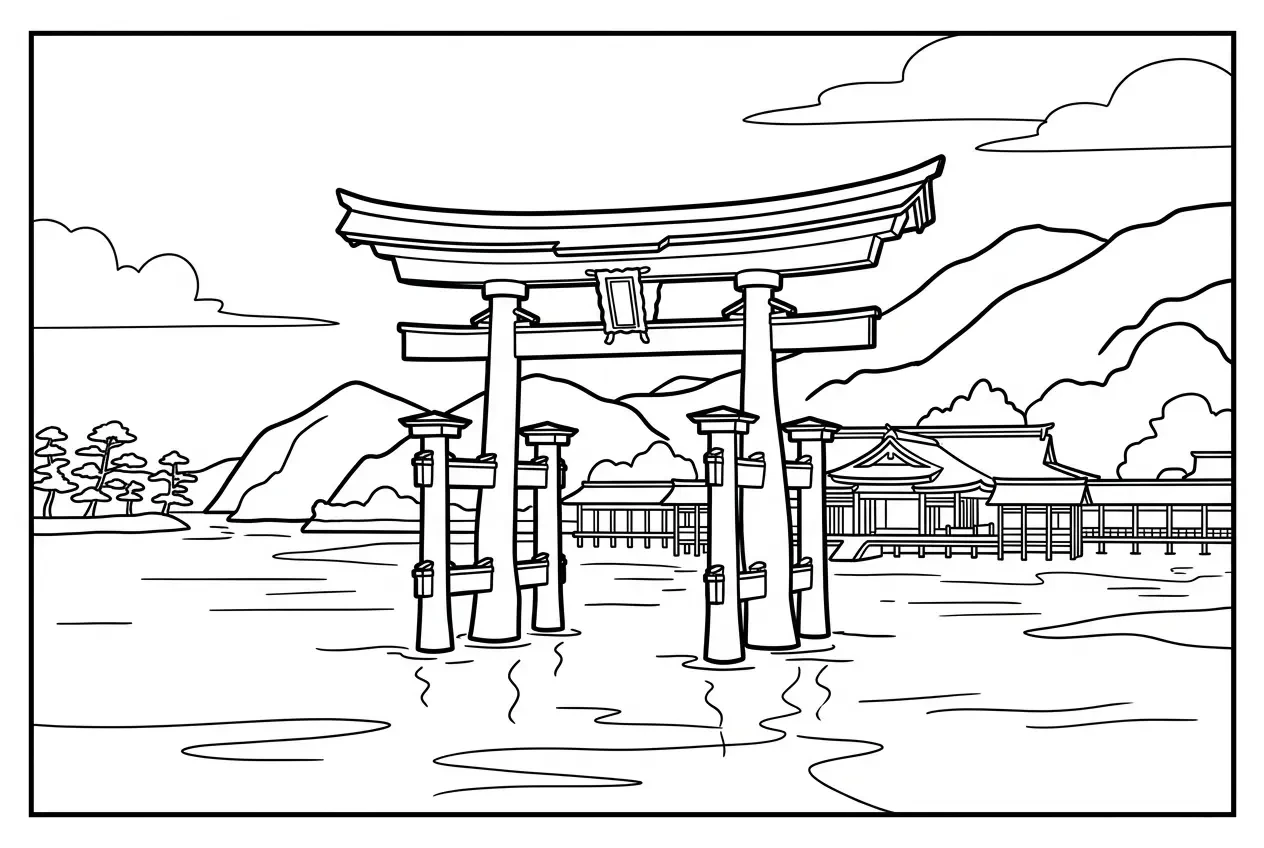
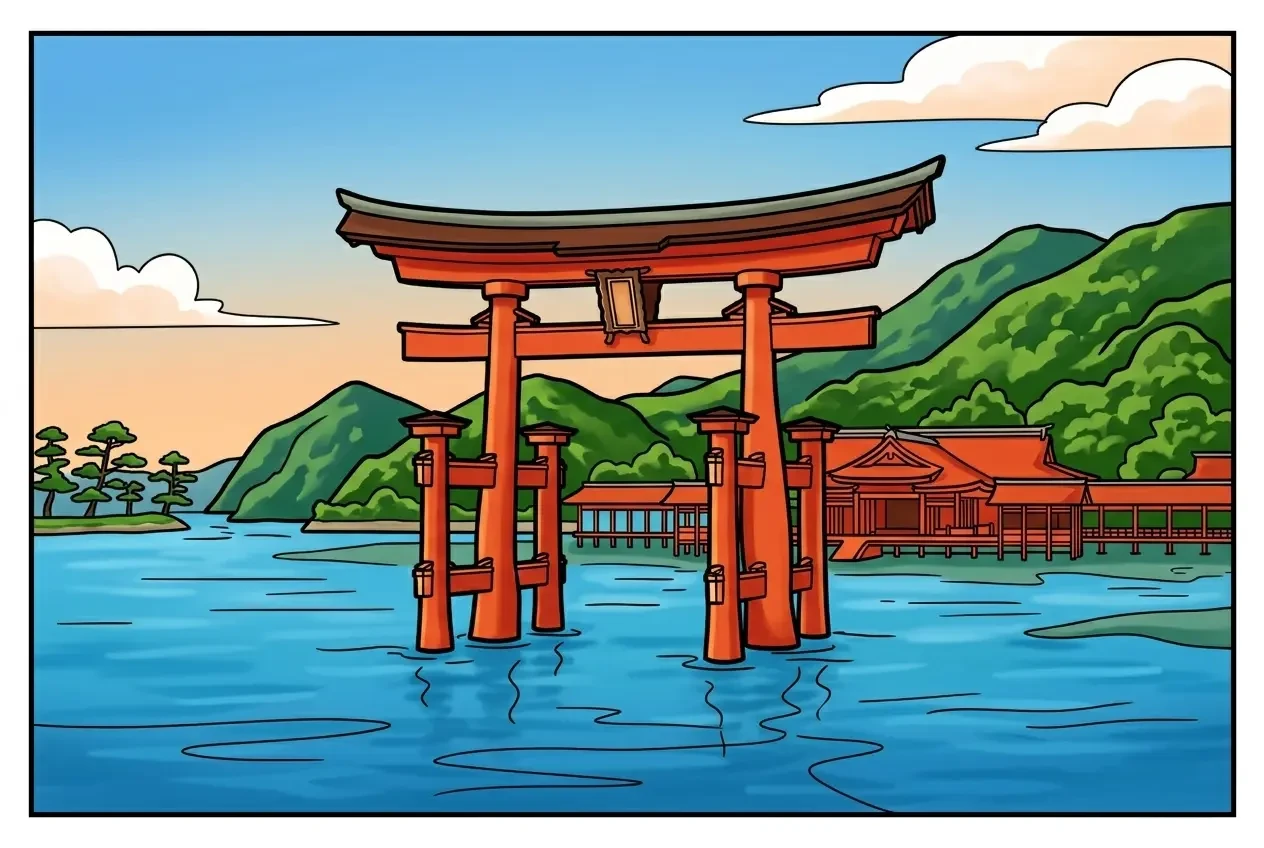
Miyajima Island (Itsukushima) is one of Japan's three official 'Views of Japan' (Nihon Sankei) and a UNESCO World Heritage Site. The island's most iconic feature is the great torii gate of Itsukushima Shrine, rising from the sea 200 meters offshore at high tide. Built in 1168 and most recently replaced in 1875, the 16-meter vermillion gate creates one of Japan's most dramatic and recognizable images, particularly at sunset when it appears to float between sky and sea. The island has been considered sacred since the 6th century — deer roam freely, and historically the ground was too sacred to be soiled by birth or death.
What to Experience
- Stand before the floating torii gate of Itsukushima Shrine on Miyajima at high tide
- Visit the Peace Memorial Park and Museum to understand Hiroshima's history
- Cycle the Shimanami Kaido bridge-and-island route to Shikoku
- Taste Hiroshima-style layered okonomiyaki and fresh Inland Sea oysters
Best Seasons to Visit
Spring (late March–April) brings cherry blossoms to Miyajima and Peace Memorial Park's famous riverside trees. Autumn (October–November) turns Miyajima's mountainside brilliant crimson, visible from the shrine precinct. Summer's Kangensai music festival on Miyajima is one of Japan's most elegant ancient court music performances. Winter oyster season (November–March) offers the freshest Hiroshima oysters grilled or eaten raw at the island's restaurants.