
About Kumamoto
Kumamoto Prefecture occupies the central western coast of Kyushu, stretching from the Ariake Sea coast inland to the dramatic volcanic landscape of Mt. Aso and its surrounding highlands. The prefecture is defined by two contrasting icons — the massive black Kumamoto Castle, one of Japan's three great castles, and the vast caldera of Mt. Aso, the largest active caldera in the world by some measures.
The 2016 Kumamoto earthquakes caused catastrophic damage to Kumamoto Castle, toppling stones and damaging multiple structures, but the reconstruction work — expected to continue through 2036 — has become a point of civic pride. The visible restoration process, observable from specially constructed viewing corridors, offers a unique perspective on traditional Japanese castle construction techniques that would otherwise be inaccessible. The adjacent Honmaru Goten Palace has already been fully restored to its Edo-period appearance.
Kumamoto's food culture is celebrated across Japan. Basashi (raw horse meat sashimi) is the prefecture's most distinctive — and for many visitors most challenging — delicacy, served fresh with ginger and soy sauce. Karashi renkon (lotus root stuffed with mustard miso) in a golden deep-fried coating is the traditional local preserved food. The 'Kumamon' bear character, created as a tourism mascot in 2011, became unexpectedly one of the world's most commercially successful character brands, with licensed products generating billions of yen annually.
Featured Spot: Aso Kusasenri Grassland
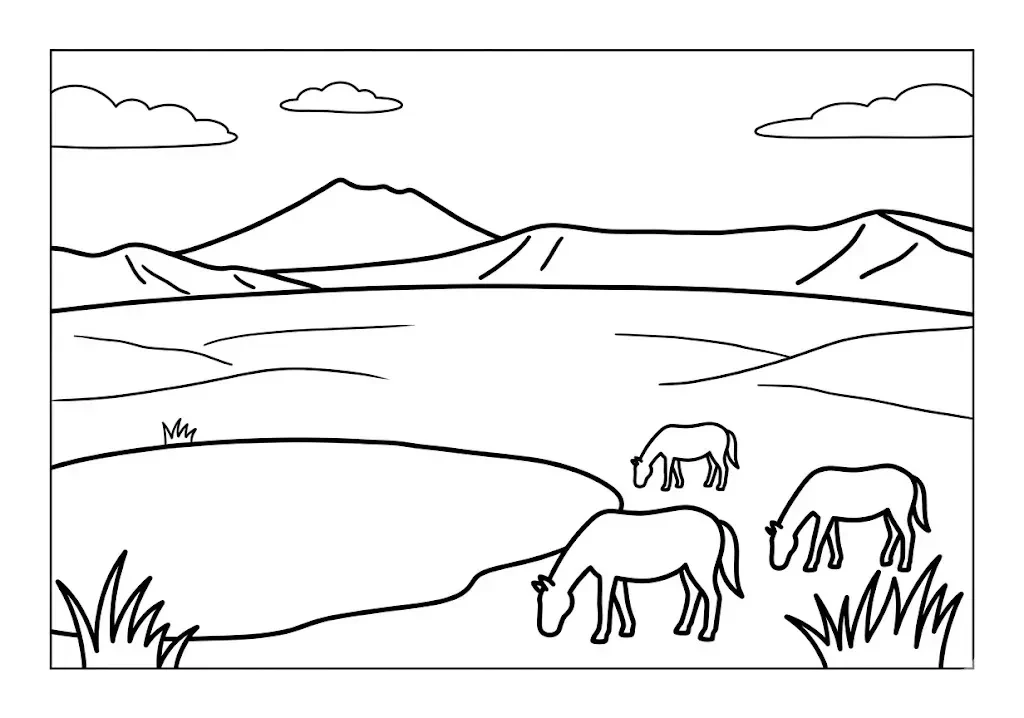
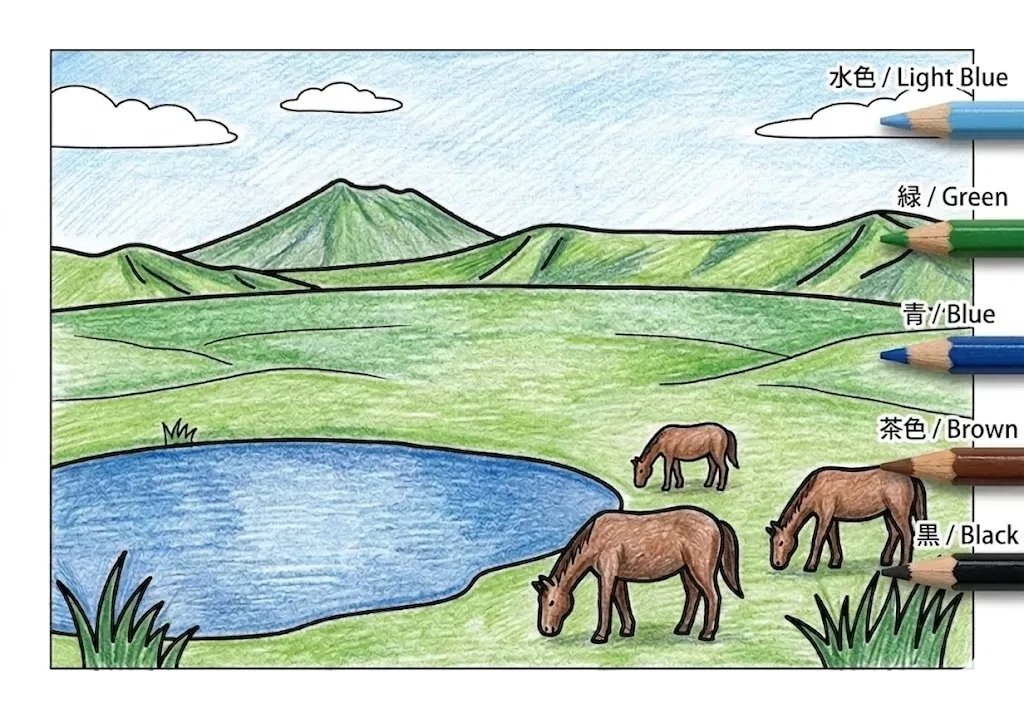
Kusasenri (Kusa-Senri) is a perfectly circular grassland basin approximately one kilometer in diameter situated within the vast Aso caldera, at an elevation of 1,000 meters above sea level. The basin is believed to be a remnant maar — a water-filled crater formed by volcanic explosion that later drained. Today two small ponds reflect the sky and the distant smoking cone of Nakadake volcano, while herds of horses graze the short-cropped highland grass in a pastoral scene of extraordinary drama. The smoking Nakadake crater, visible nearby and accessible when activity permits, offers views down into Japan's most accessible active volcanic vent.
What to Experience
- Stand on Kusasenri's highland grassland and look across the world's largest caldera
- Watch the still-active Nakadake crater emit volcanic smoke and occasional ash
- Visit Kumamoto Castle's ongoing earthquake reconstruction — a living lesson in castle history
- Taste basashi (raw horse meat) and karashi renkon lotus root at local izakayas
Best Seasons to Visit
Summer (June–August) brings vivid green highland grass to Kusasenri and comfortable volcanic exploration weather. Autumn (September–November) turns the caldera grasslands golden and is the finest season for panoramic views. Spring's Aso Wildfire Festival (set fire to the caldera grassland to encourage new growth) in late February is a dramatic if unusual spectacle. Volcanic activity can temporarily close crater viewing; always check current access conditions before visiting.