
About Iwate
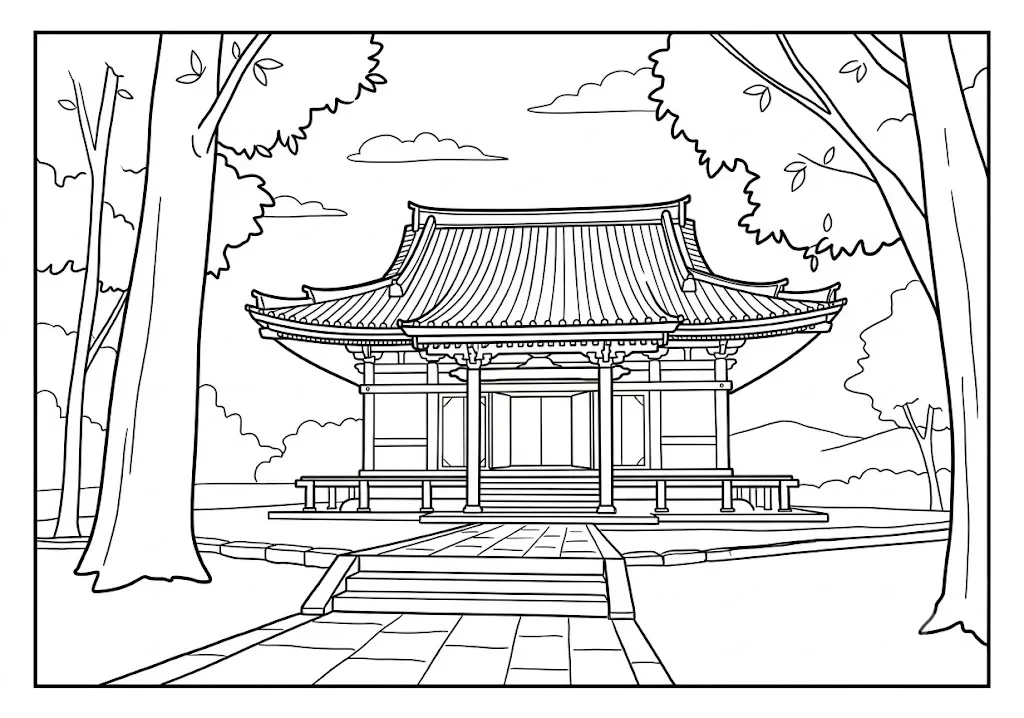
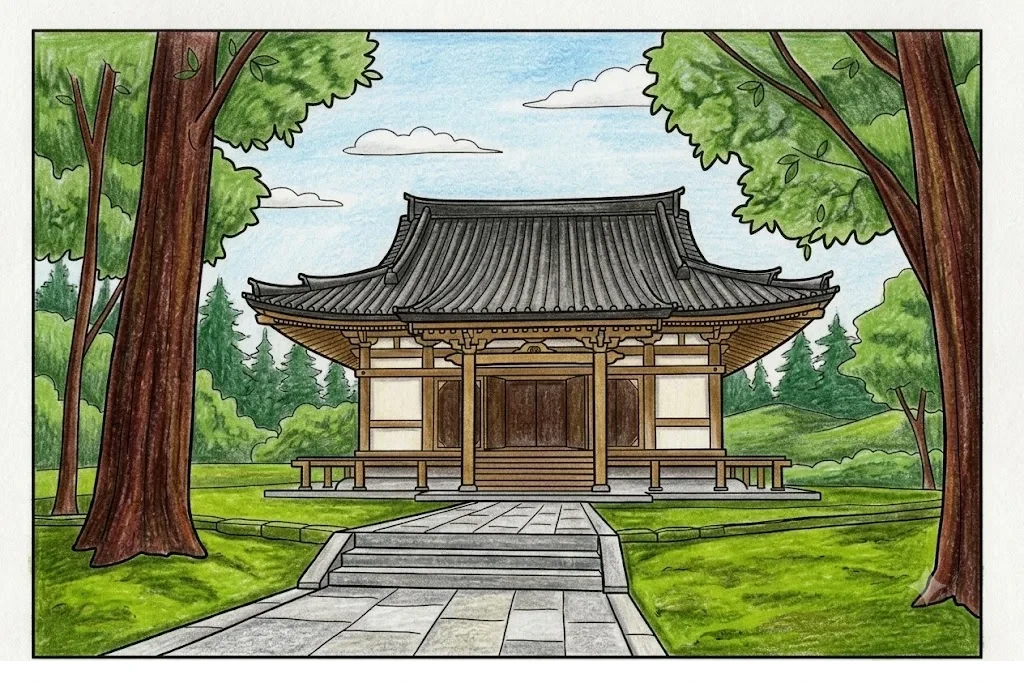
Iwate is the second-largest prefecture in Japan by area, a vast and sparsely populated land of mountains, river valleys, and deeply rooted traditions. Despite its size, it wears its history lightly — nowhere more so than in Hiraizumi, a small town that was once the gleaming northern capital of the Oshu Fujiwara clan during the 12th century. At its height, Hiraizumi rivaled Kyoto in cultural refinement and ambition, and the golden temples they built still stand as UNESCO World Heritage Sites.
The prefectural capital Morioka is a lively city known for its three great noodle dishes — wanko soba (served in rapid succession by kimono-clad servers), jajamen (Chinese-influenced noodles), and Morioka reimen (cold Korean-style noodles) — giving it the nickname "noodle city." Morioka also sits beneath the dramatic peak of Iwate-san volcano and is famous for Nambu ironware, a centuries-old tradition of cast-iron craftsmanship still practiced by local artisans.
Iwate's Sanriku Coast, with its dramatic rias coastline, offers breathtaking ocean scenery and some of Japan's finest seafood including sea urchin, abalone, and salmon. The interior mountains harbor ancient pilgrimage routes, hot spring villages, and folk traditions that have survived for generations.
Featured Spot: Hiraizumi UNESCO Site
Hiraizumi's Chuson-ji temple complex is the crown jewel of Tohoku, its Konjikido (Golden Hall) encased in glittering gold leaf and mother-of-pearl inlay — a vision of the Buddhist Pure Land paradise built in 1124. Nearby Motsu-ji temple garden is one of Japan's best-preserved Heian-period Pure Land gardens, its pond reflecting centuries of serene beauty. Together these sites tell the story of a fleeting northern golden age that captivated poets including the haiku master Matsuo Basho.
What to Experience
- Marvel at the golden Konjikido hall at Chuson-ji UNESCO temple complex
- Challenge yourself to a wanko soba eating contest in Morioka
- Browse handcrafted Nambu ironware teapots and kettles
- Explore the dramatic Sanriku rias coastline and taste fresh sea urchin
Best Seasons to Visit
Spring (April–May) brings cherry blossoms to Hiraizumi and Morioka's Kitakami riverbanks, creating breathtaking pink tunnels along the water. Autumn (October–November) sets the temple grounds ablaze with maple and ginkgo foliage, making the golden Konjikido even more ethereal against a backdrop of crimson leaves. Summer offers pleasant hiking in the mountain areas and festivals across the region.