
About Kochi
Kochi Prefecture covers the southern face of Shikoku Island, its entire southern coast exposed to the open Pacific Ocean. This exposure — to typhoons, to oceanic swells, to warm Kuroshio Current waters — has shaped a prefecture of extraordinary natural drama: dramatic capes, pristine river systems, ancient rainforests, and some of Japan's most abundant marine life concentrated in the deep offshore waters.
Kochi is the birthplace of Sakamoto Ryoma, the charismatic young samurai who orchestrated the political alliance between rival domains that brought down the Tokugawa shogunate, before being assassinated at age 31 in 1867. Ryoma's romantic image — a progressive visionary who foresaw Japan's modernization, wore a Western pistol on his hip while dressed in samurai clothing — has made him Japan's most romanticized historical figure, celebrated in novels, films, TV dramas, and the statue overlooking Katsurahama Beach.
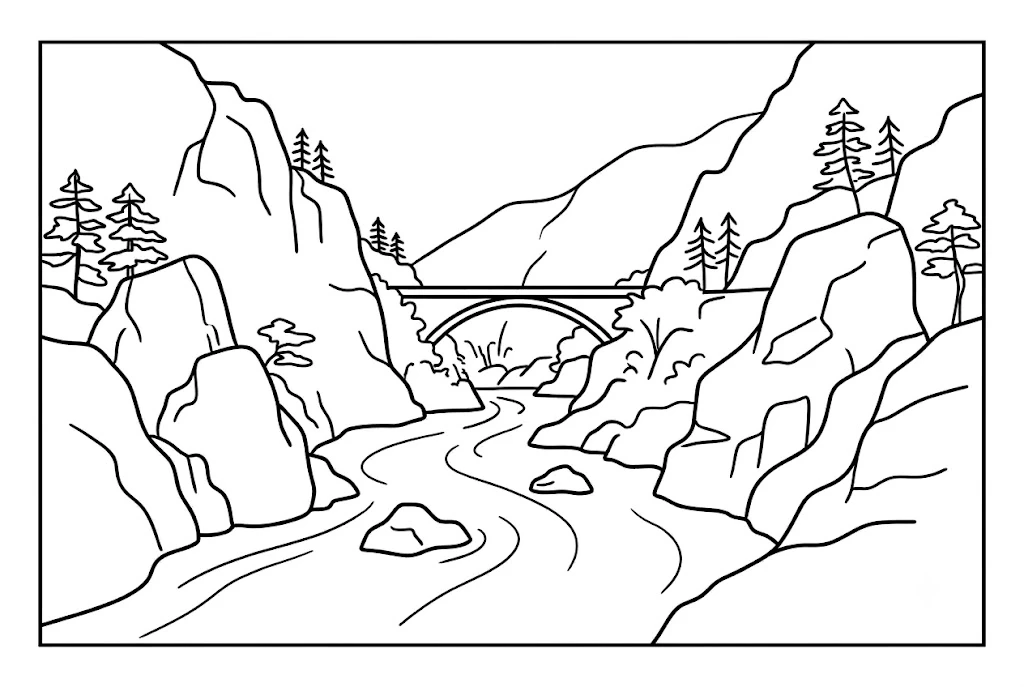
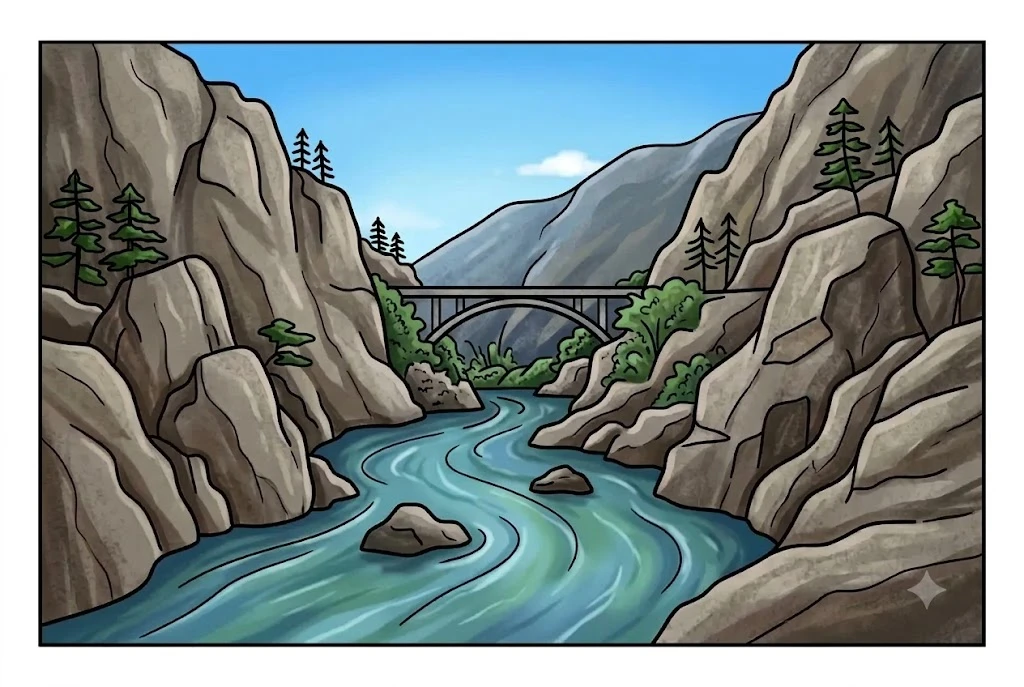
The Shimanto River, flowing through Kochi's interior to the Pacific, is celebrated as Japan's last free-flowing river — uniquely without any major dams on its main stream. The upper reaches pass through an extraordinary landscape of stone-paved mountain villages, traditional sluice fishing weirs (traditional platform fishing structures), and unspoiled subtropical forest. Kochi City's Sunday Hirome Market is one of Japan's most atmospheric food halls, where locals gather with beer and plates of katsuo tataki (straw-fired seared skipjack tuna) in a convivial chaos of tables.
Featured Spot: Katsurahama Beach & Cape Ashizuri
Katsuo tataki — skipjack tuna seared over rice straw and served with grated ginger, garlic, and ponzu — is Kochi's iconic dish and one of Japan's most distinctive regional preparations. The Kuroshio Current brings abundant skipjack (katsuo) close to shore, making it the freshest tuna available anywhere in Japan. The straw-firing technique creates a unique smoky exterior while leaving the center cool and raw, and the fish is traditionally eaten with raw garlic slices, separating Kochi's tataki from versions made elsewhere. Hirome Market in Kochi City is the best place to experience it alongside local beer and convivial market atmosphere.
What to Experience
- Taste fresh straw-fired katsuo tataki — seared skipjack tuna — at Hirome Market
- Stand at the Ryoma statue on Katsurahama Beach and look out to the Pacific
- Canoe or walk along Japan's last undammed Shimanto River
- Visit Cape Ashizuri lighthouse at the southernmost point of Shikoku
Best Seasons to Visit
Summer (June–August) brings warm ocean temperatures ideal for diving off Cape Ashizuri and river activities on the Shimanto. Autumn (September–November) is the finest season for hiking and the skipjack tuna fishing season peaks. Spring offers pleasant weather for exploring Kochi City and historical sites. Winter is mild along the coast but the mountains receive snow, providing dramatic contrast between the subtropical coastline and highland interior.