
About Kanagawa
Kanagawa Prefecture stretches along Tokyo Bay and Sagami Bay south of the capital, encompassing Japan's second-largest city Yokohama, the ancient capital Kamakura, the volcanic resort of Hakone, and the Miura Peninsula's rugged Pacific coastline. This compact prefecture packs extraordinary diversity into a small area, accessible from central Tokyo within an hour.
Yokohama, established as Japan's first modern port in 1858, retains traces of its cosmopolitan heritage in the Western-style brick warehouses of the Minato Mirai waterfront, Japan's largest Chinatown, and the preserved historic district of Yamate. The city's skyline blends the futuristic Landmark Tower with the nostalgic red-brick Yokohama Port structures in a photogenic harbor panorama.
Kamakura served as Japan's de facto capital from 1185 to 1333 when the Minamoto shogunate ruled from this coastal enclave. Ringed by mountains on three sides and the sea on the fourth, the town preserves over 65 temples and shrines in a remarkably compact area. Hiking trails through cedar-scented forests connect ancient hillside shrines, while the Enoshima Electric Railway's vintage tram offers views of Mt. Fuji across Sagami Bay on clear days.
Featured Spot: Kamakura Great Buddha
The Kamakura Daibutsu — Great Buddha — is one of Japan's most iconic images and one of the world's largest bronze statues. Standing 13.35 meters tall and weighing approximately 93 tons, the figure of Amida Buddha has sat serenely in the open air since the enclosing wooden temple was destroyed by a tsunami in 1498. Visitors can enter the hollow statue through small windows in its back, gaining a unique perspective of its massive construction. The surrounding Kotoku-in temple grounds are framed by forested hills and ancient stone lanterns.
What to Experience
- Sit before the majestic open-air Great Buddha of Kamakura
- Explore Kamakura's 65 temples and shrines on forest hiking trails
- Stroll Yokohama's Chinatown and historic port waterfront district
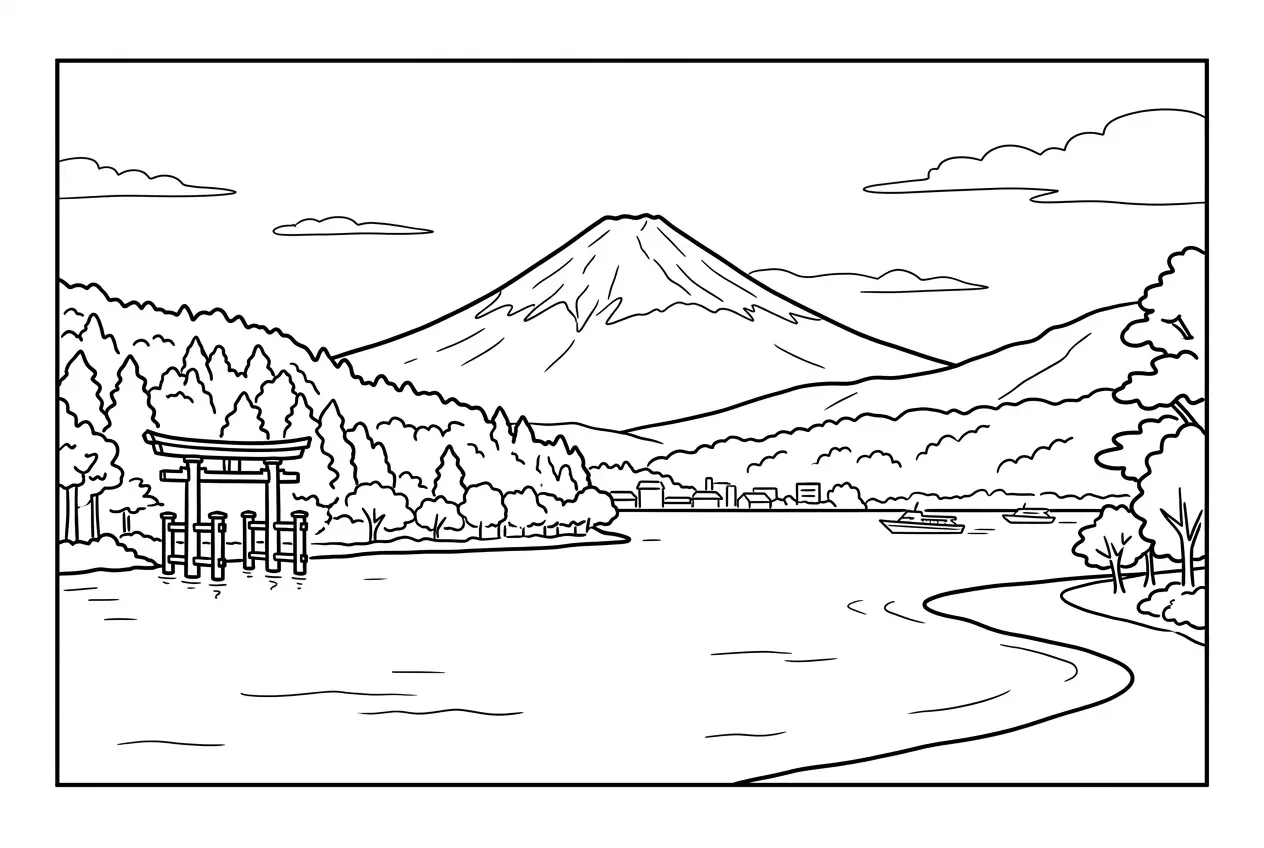
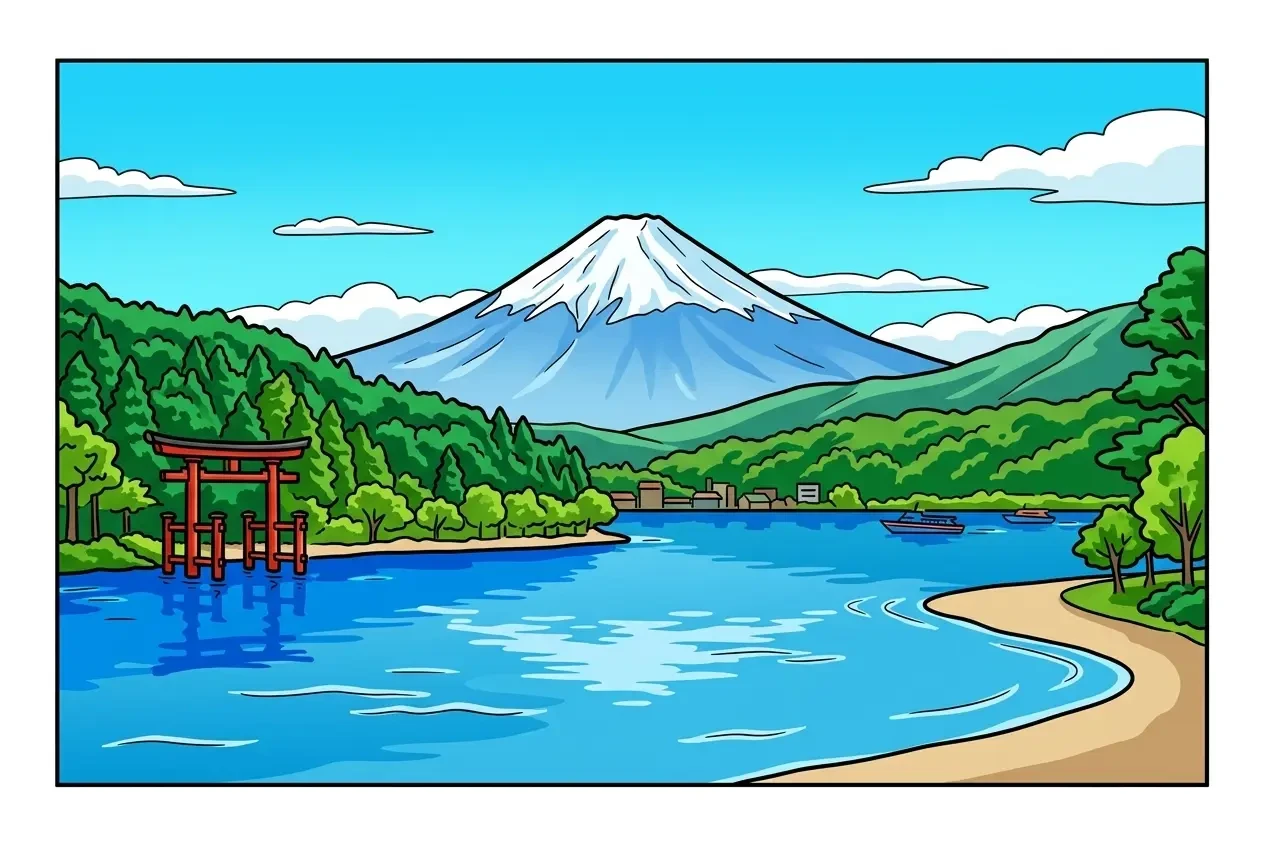
- Soak in Hakone's volcanic hot springs with views of Mt. Fuji across the lake
Best Seasons to Visit
Spring (late March–April) brings spectacular cherry blossoms to Kamakura's temples and Yokohama's parks, making it the most popular season. Autumn (October–November) is equally beautiful with colorful foliage at Kamakura's hillside shrines. Summer is lively at coastal areas but humid; Hakone offers relief in the mountains. Winter is generally mild with clear days offering the best views of Mt. Fuji across Hakone's Ashi Lake.