
About Gifu
Gifu Prefecture stretches from the flat Nobi Plain along the confluence of the Kiso and Nagara rivers through increasingly rugged mountain terrain to the high peaks of the Northern Alps on the Nagano border. This geographic variety creates a prefecture of remarkable contrasts — ancient castle ruins overlooking modern cities, traditional cormorant fishermen plying moonlit rivers, and isolated mountain villages buried under meters of winter snow.
The Hida Highland, centered on the town of Takayama, preserves a way of life that changed little for centuries. Hida Takayama's sanmachi suji historic district packs beautifully preserved Edo-period merchants' houses, sake breweries, and artisan workshops into a few narrow streets where wooden lattice windows and hanging sake brewery balls (sugidama) create an atmosphere of authentic old Japan. The Takayama Festival, held in spring and autumn, is considered one of Japan's three greatest festivals, featuring extraordinary mechanical puppet floats.
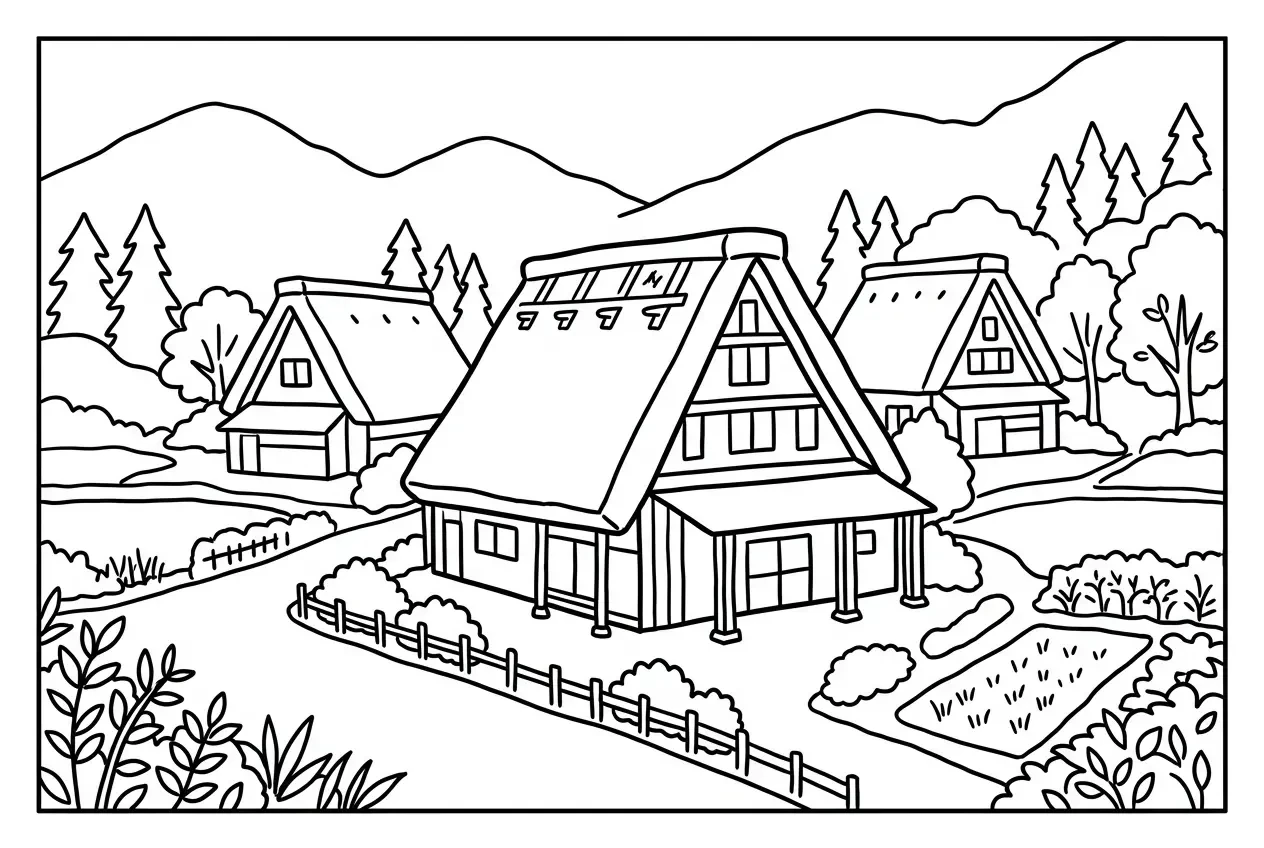
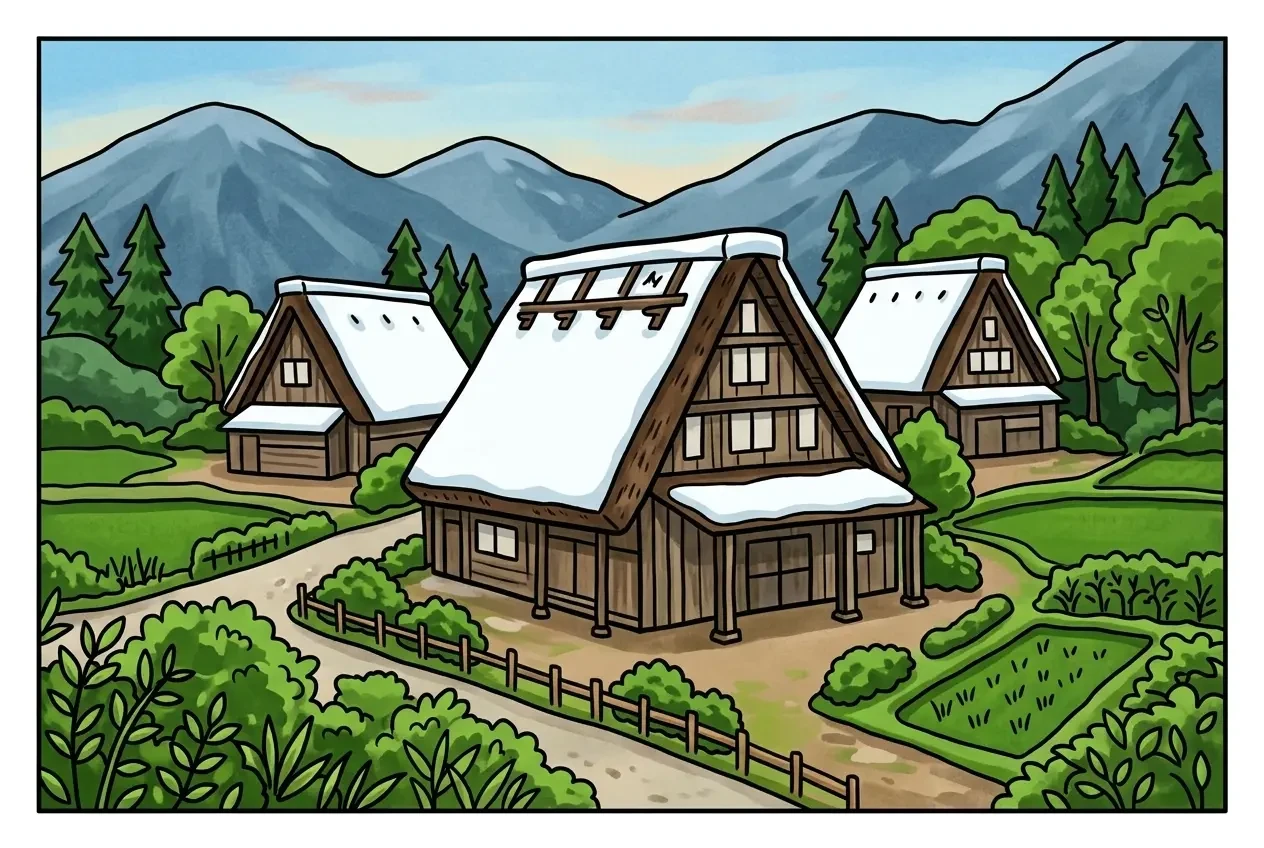
Shirakawa-go, a remote mountain valley designated as a UNESCO World Heritage Site, contains Japan's most celebrated farmhouse architecture. The gassho-zukuri ('praying hands') style, with steep triangular thatched roofs designed to shed heavy alpine snowfall, creates buildings that look like massive A-frames rising from terraced rice paddies. The largest surviving structure, Wada House, dates from the 17th century and spans five floors including a working silk production facility.
Featured Spot: Shirakawa-go
Shirakawa-go village, listed as a UNESCO World Heritage Site since 1995, represents Japan's most complete surviving example of traditional mountain farming community life. The 114 remaining gassho-zukuri farmhouses are clustered in the Ogimachi hamlet, visible in their entirety from the hillside observation platform at Shiroyama. In winter, the village holds special illumination events where every farmhouse roof is lit from within, creating a magical lantern-like glow against the snow — one of Japan's most sought-after seasonal photography opportunities.
What to Experience
- Marvel at snow-covered gassho-zukuri farmhouses at Shirakawa-go UNESCO village
- Watch ancient cormorant fishing by torchlight on the Nagara River at Gifu City
- Explore Hida Takayama's preserved Edo-period merchant quarter and sake breweries
- See the extraordinary mechanical puppet floats at Takayama's spring or autumn festival
Best Seasons to Visit
Winter (December–February) is when Shirakawa-go reaches its most magical, with farmhouses buried in snow and special illumination events creating fairy-tale imagery. Autumn (October–November) brings crimson foliage surrounding the thatched farmhouses — equally spectacular. Spring hosts Takayama's magnificent festival in April. Summer is refreshingly cool in the highlands and perfect for exploring the mountain valleys.