
About Fukui
Fukui Prefecture occupies a narrow coastal strip on the Sea of Japan, sheltered by the Hiei and Hakusan mountain ranges to the east. Though small in area and population, Fukui punches above its weight in historical, natural, and culinary significance. The prefecture was once an important political center during Japan's feudal era and the site of formative moments in Japanese Buddhist history.
Eiheiji, founded in 1244 by the Zen master Dogen, remains one of Japan's two head temples of the Soto sect of Zen Buddhism and a living center of monastic practice. Over 200 monks undergo rigorous training here at any given time, following a strict schedule of meditation, work, and ritual that has remained essentially unchanged for nearly 800 years. Visitors may walk the ancient corridors connecting the many halls, observe morning chanting ceremonies, and absorb the profound stillness of the cedar-forested complex.
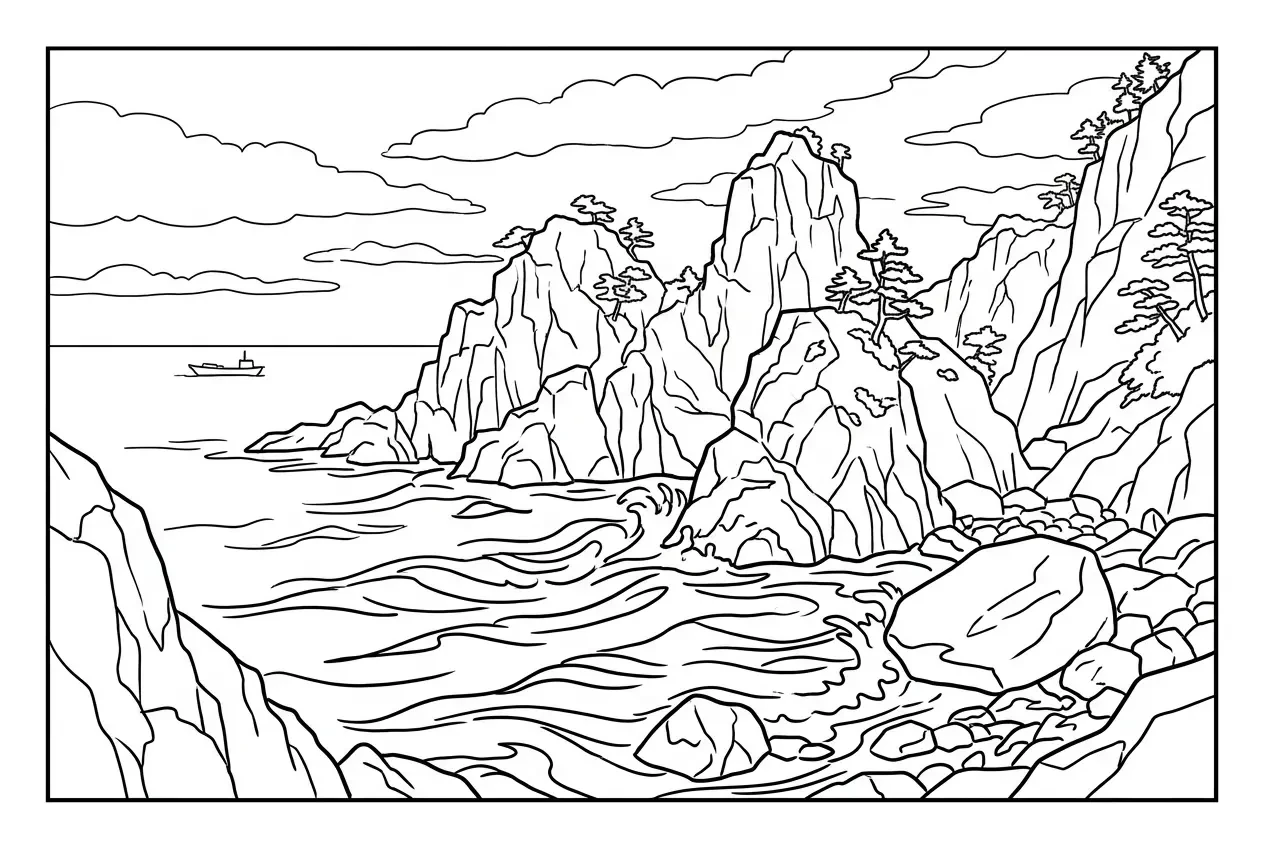
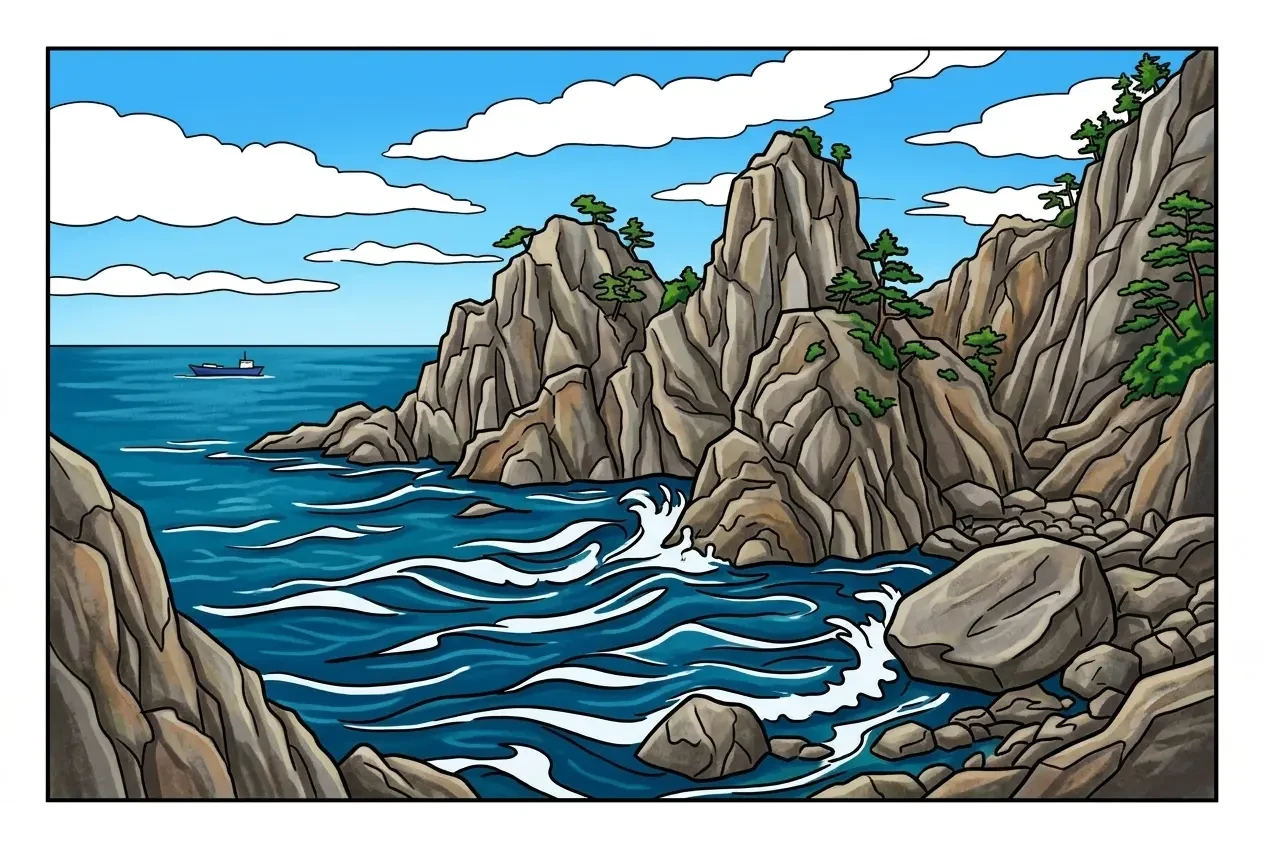
Fukui is also unexpectedly home to Japan's finest collection of dinosaur fossils. The Fukui Prefectural Dinosaur Museum, situated near fossil-rich mountain terrain that has yielded multiple new dinosaur species named 'Fukuiraptor' and 'Fukuisaurus,' is regarded as one of Asia's top paleontology museums. The wild Tojinbo cliffs on the Sea of Japan coast offer dramatic columnar basalt formations stretching for a kilometer along crashing waves.
Featured Spot: Eiheiji Zen Temple
Eiheiji Temple Complex, set deep in a cedar forest valley south of Fukui City, is considered the spiritual heart of Soto Zen Buddhism worldwide. The complex's 70 interconnected buildings span a mountainside, connected by covered wooden corridors that creak with age and echo with the distant sound of bells and chanting. The strict monastic life practiced here follows Dogen's original rules precisely — monks rise at 3:30 AM, eat two meals a day in formal seated ceremony, and devote equal importance to physical work as to seated meditation.
What to Experience
- Sit in silence at Eiheiji Temple and absorb 800 years of Zen monastic tradition
- Marvel at life-size dinosaur exhibits at Fukui's world-class Dinosaur Museum
- Walk the dramatic columnar basalt sea cliffs of Tojinbo on the Japan Sea coast
- Taste Echizen crab, Obama's Wakasa lacquerware, and Echizen soba noodles
Best Seasons to Visit
Spring (April–May) brings cherry blossoms to temple grounds and comfortable weather for exploring. Autumn (October–November) is magnificent at Eiheiji, when the surrounding cedar and maple forest turns gold and crimson around the ancient buildings. Summer is the best time for coastal activities at Tojinbo and Wakasa Bay. Winter brings heavy snow to inland areas, adding drama to Eiheiji's already atmospheric surroundings.