What Is Ramen?
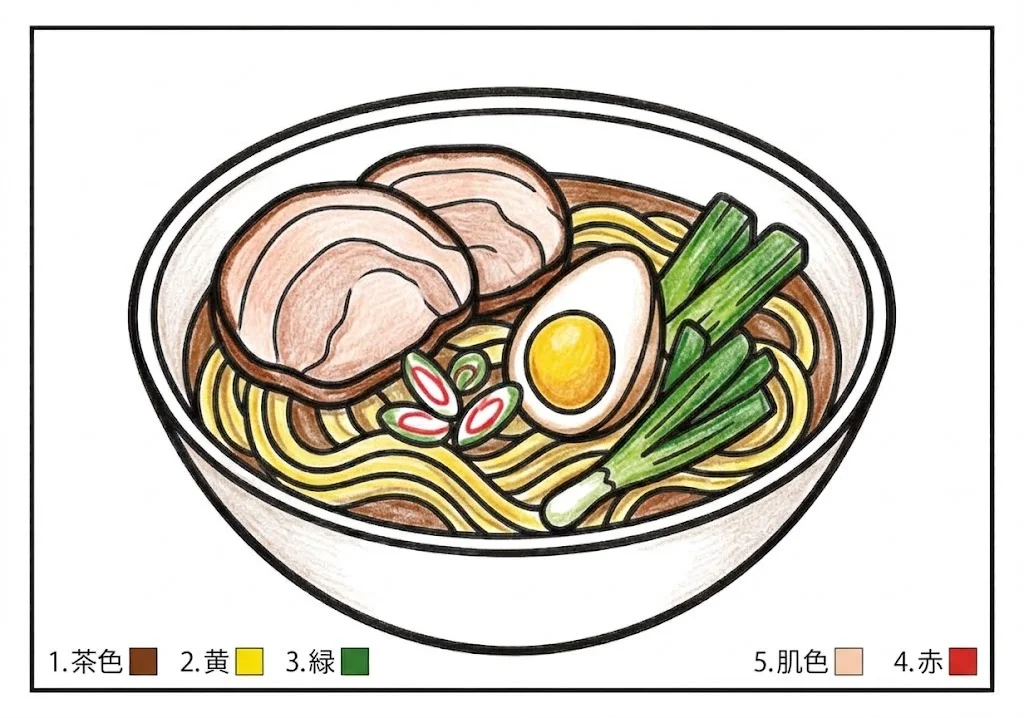
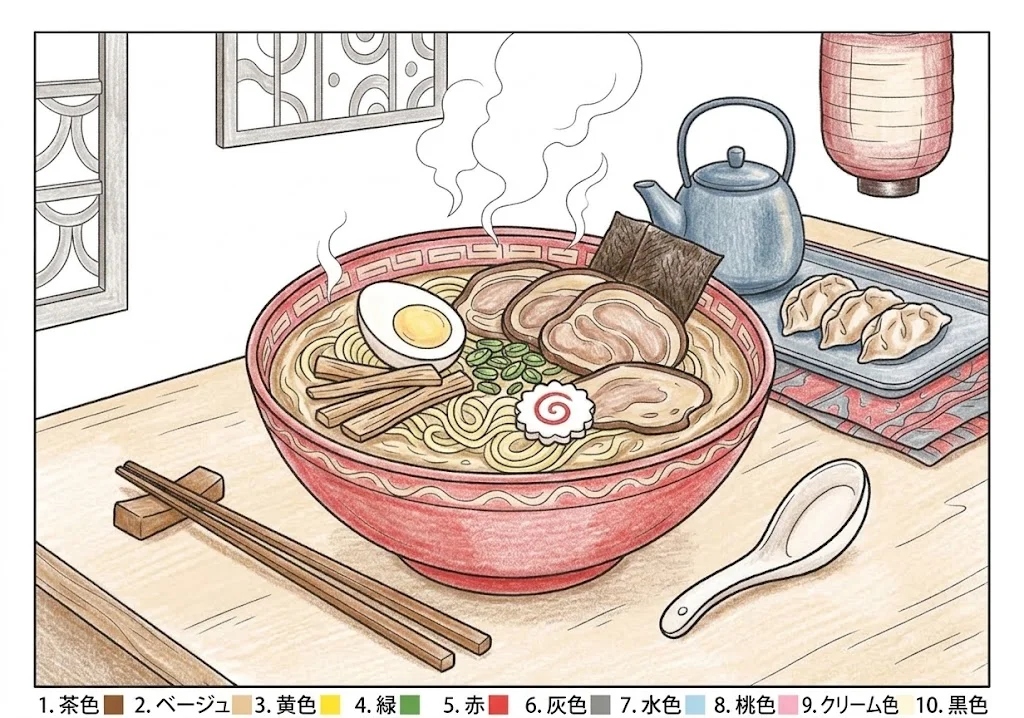
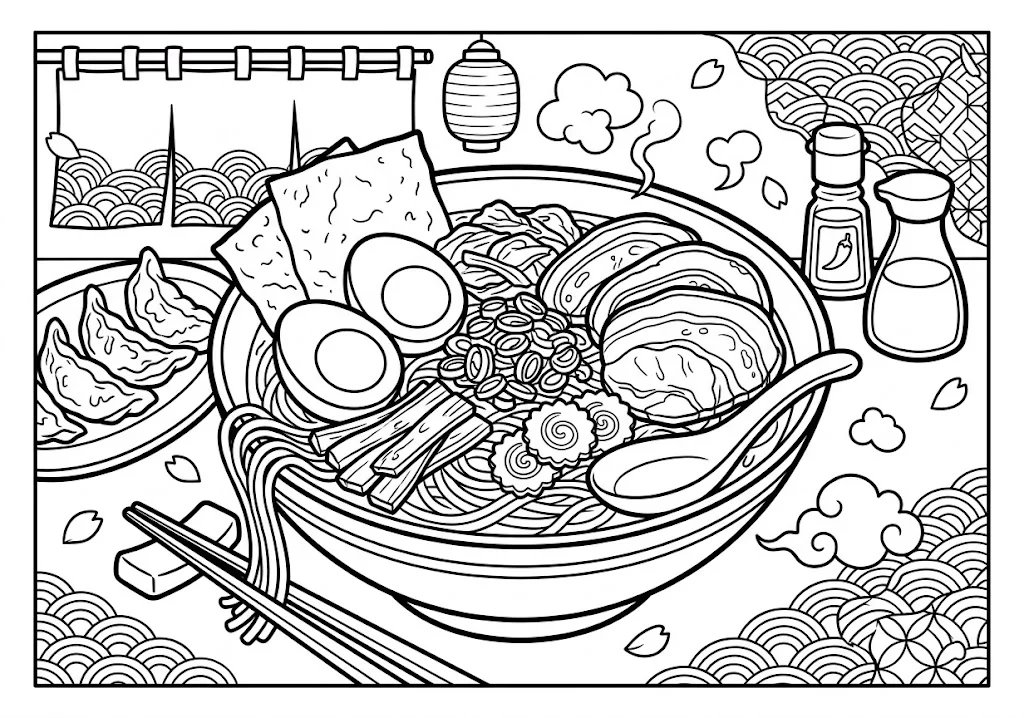
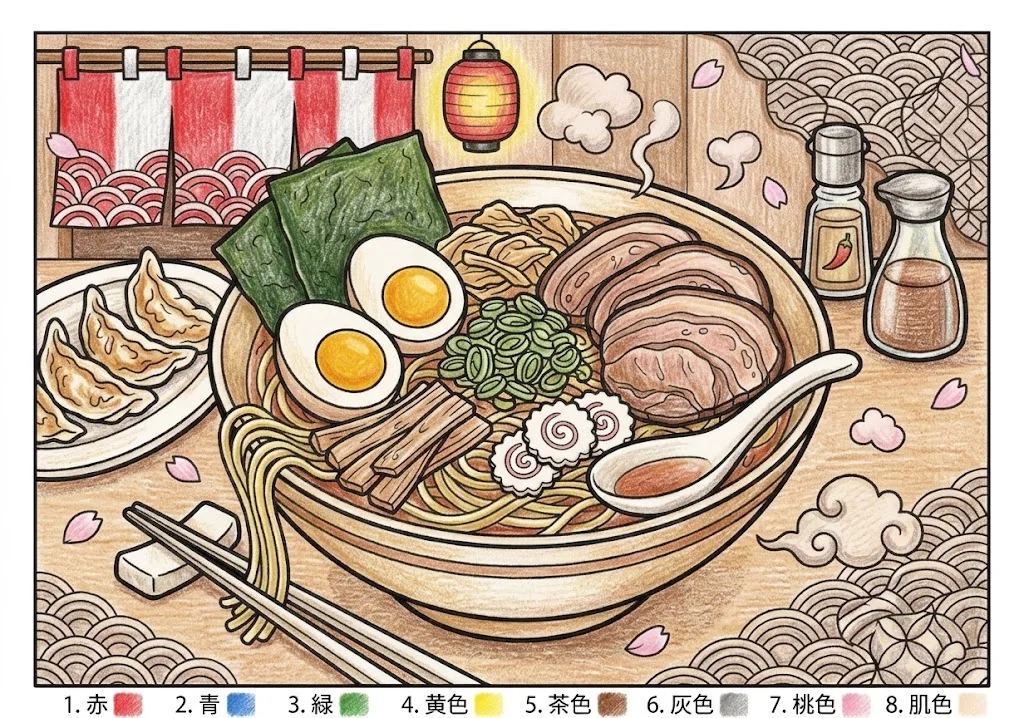
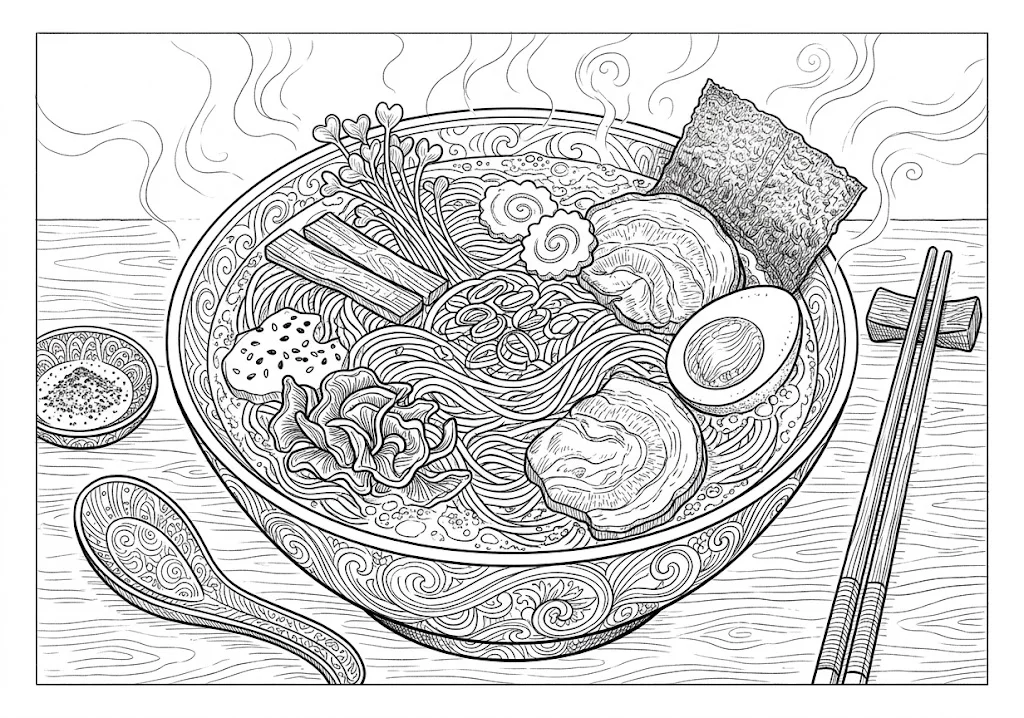
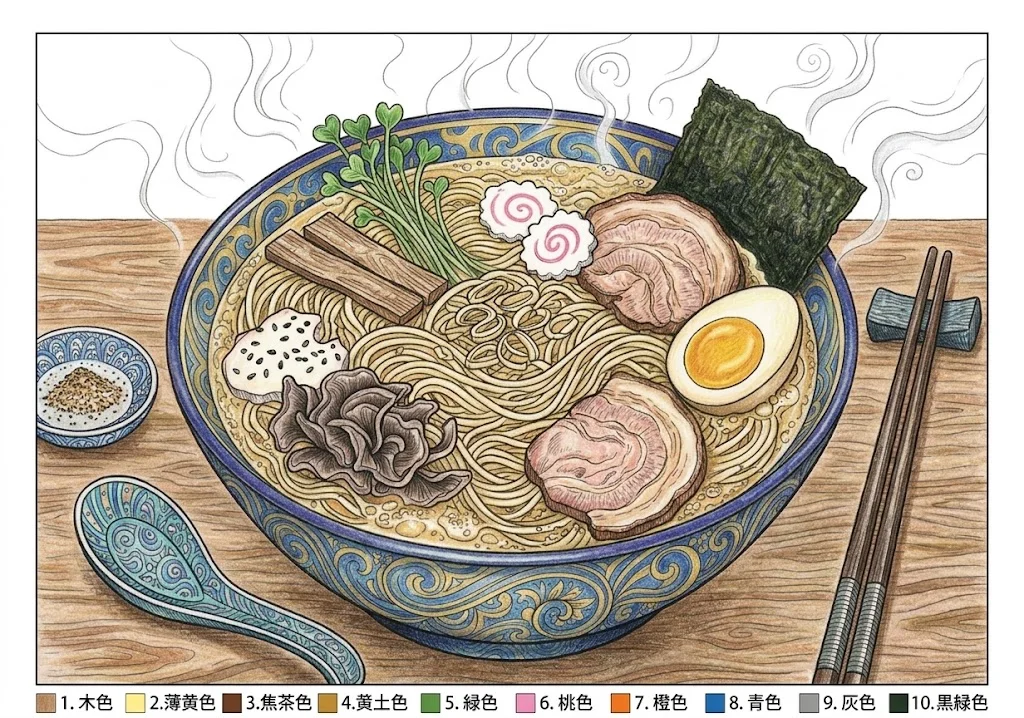
Ramen is a bowl of wheat noodles served in a hot broth, topped with a rotating cast of ingredients that can include sliced pork, a soft-boiled egg, bamboo shoots, seaweed, and sliced green onion. Simple in concept, it is endlessly varied in execution: the broth alone can take a kitchen twelve hours or more to prepare, simmered from pork bones, chicken, dried fish, or kelp until it becomes rich, cloudy, and deeply savory. Ramen is Japan's most democratic dish — eaten by executives and students alike, usually in under twenty minutes, and rarely costing more than a modest lunch.
A Chinese Dish, Made Japanese
Ramen's ancestor arrived with Chinese immigrants in the late nineteenth and early twentieth centuries as lamian, a wheat noodle dish, and Japanese cooks gradually reshaped it to local tastes over the following decades. It was in the chaos and hunger of the years following the Second World War that ramen truly took hold, when cheap, filling bowls of noodles and broth became a lifeline for a country rebuilding itself, sold from street carts and modest storefronts across every city. What began as a foreign import became, within a single generation, one of the dishes Japan is now best known for worldwide.
Four Broths, Four Regions
Japan's ramen map is drawn in broth. Tokyo-style ramen leans on a clear, soy-sauce-seasoned shoyu broth with a light, savory edge. Sapporo, in the cold north, is famous for hearty miso ramen, its fermented soybean paste giving the broth a deep, warming richness suited to Hokkaido winters. Hakata, in the southern island of Kyushu, is the home of tonkotsu ramen, a broth boiled from pork bones for hours until it turns creamy-white and intensely rich. A fourth style, shio, seasoned simply with salt, produces the lightest and clearest broth of all. Regional pride runs deep, and a ramen shop's broth style is often the first thing locals will tell a visitor about.
Reading a Bowl of Ramen
Beyond the broth and noodles, a good bowl is judged by its toppings. Chashu, tender slices of braised pork belly or shoulder, sit alongside menma, fermented bamboo shoots with a pleasant crunch. A soft-boiled ajitama egg, marinated in soy sauce until its yolk turns a deep amber, is prized enough that some shops charge extra for one. Sheets of nori seaweed, chopped scallion, and a slick of flavored oil finish the bowl. Noodle thickness and firmness can usually be requested too, from soft to extra-firm, letting a regular customer order a bowl built exactly to their taste.
The Counter, the Ticket, the Slurp
Ramen shops move fast, and their rituals reflect it. Many operate on a ticket-machine system: customers choose and pay for their bowl at a machine by the door before even sitting down, handing the ticket to the cook and freeing the staff to focus entirely on the food. Seating is often a simple counter facing the kitchen, encouraging quick, focused eating rather than long conversation. And famously, slurping is not just accepted but expected — pulling in noodles with air cools them instantly and is widely believed to carry more of their aroma and flavor to the palate.
From Corner Shop to Cup Noodle
In 1958, inventor Momofuku Ando created the first instant ramen, a dried noodle block that could be revived with hot water in minutes, born from his belief that food security started with something simple, fast, and affordable. His 1971 follow-up, Cup Noodle, packaged the same idea into a disposable cup and became one of the most successful food products in history, carried today into space stations and disaster relief zones alike. From ancient hand-pulled noodles to a cup that fits in one hand, ramen's journey mirrors modern Japan itself: rooted in tradition, endlessly reinvented.
Eat quickly and slurp freely — pulling in noodles with a little air is considered polite here, not rude, and helps cool them while carrying more flavor to the palate. Lingering long after the bowl is empty is considered slightly out of place in a busy ramen shop, where fast turnover keeps the noodles fresh and the broth at its best.