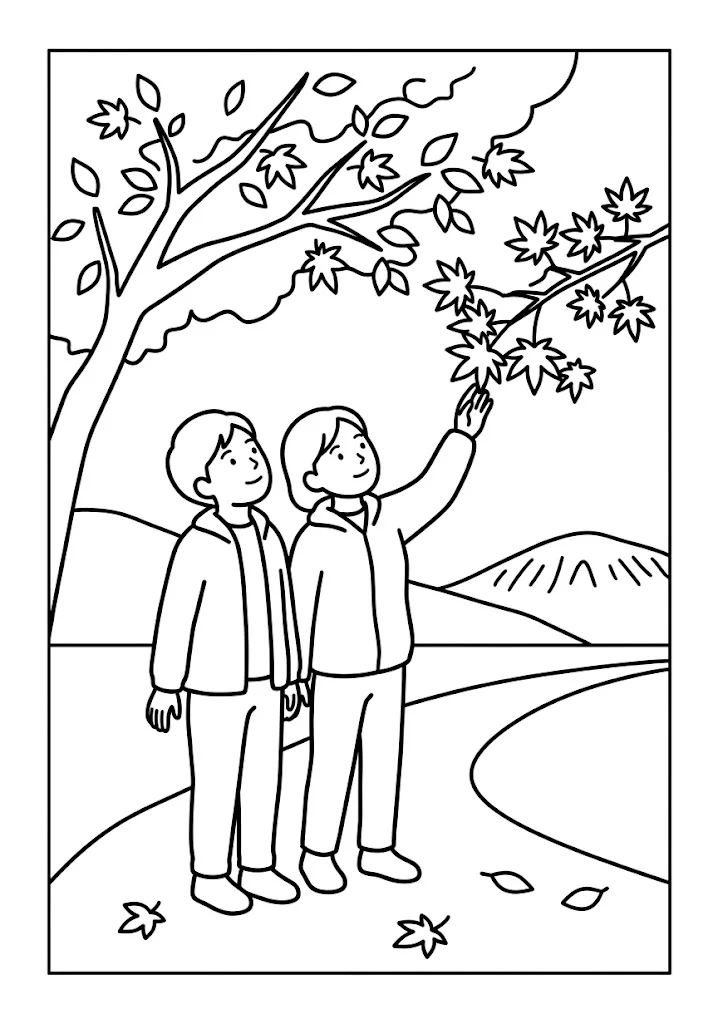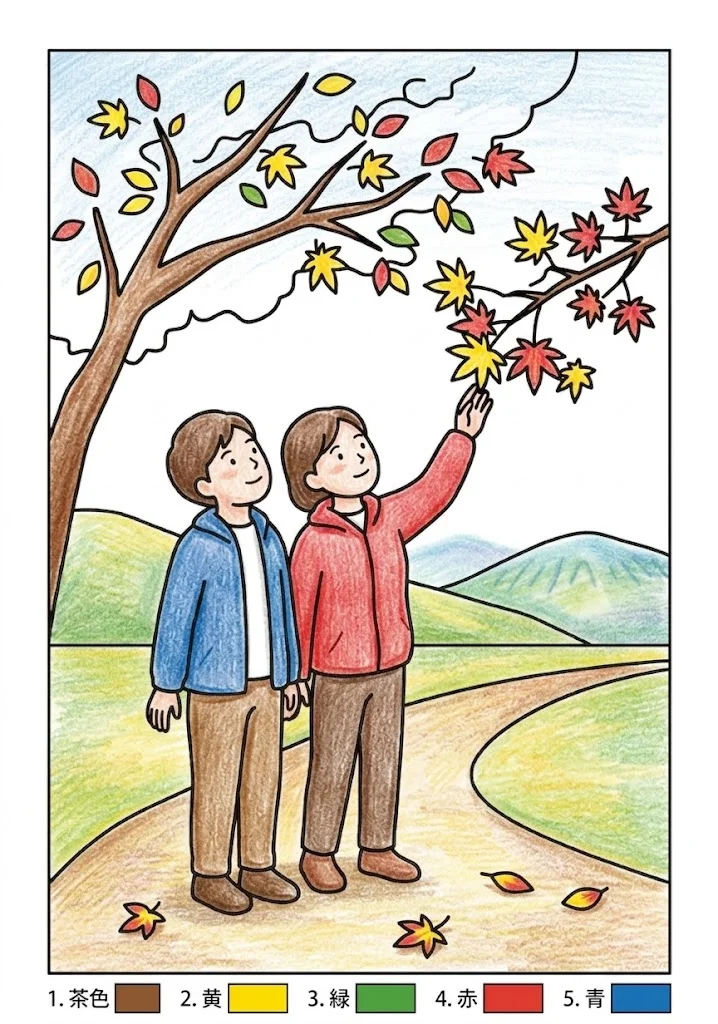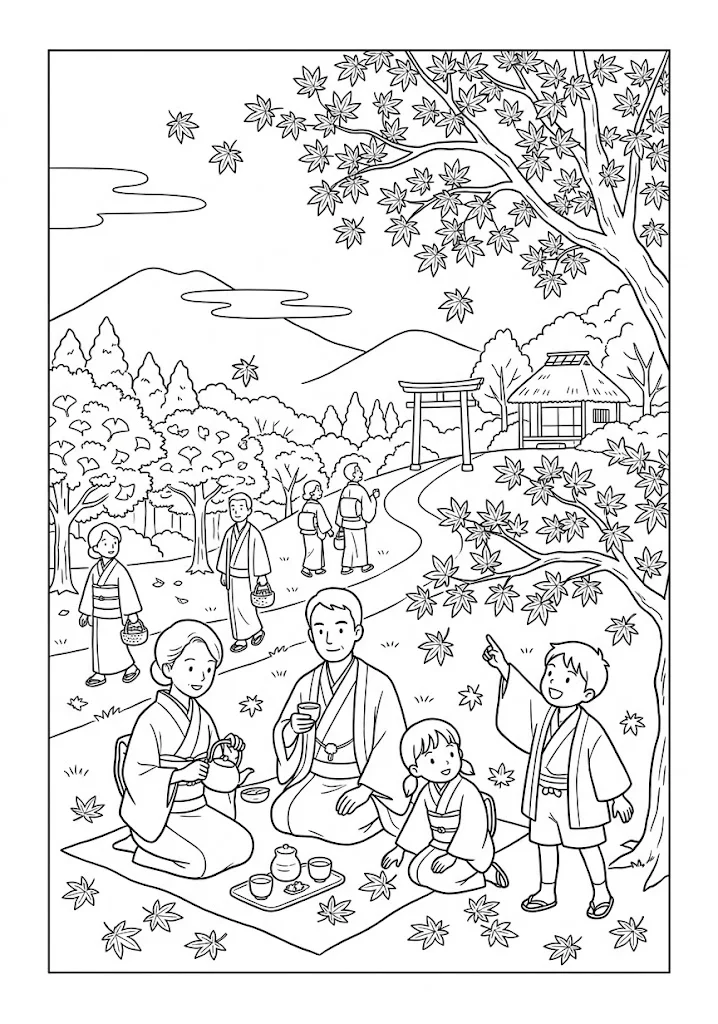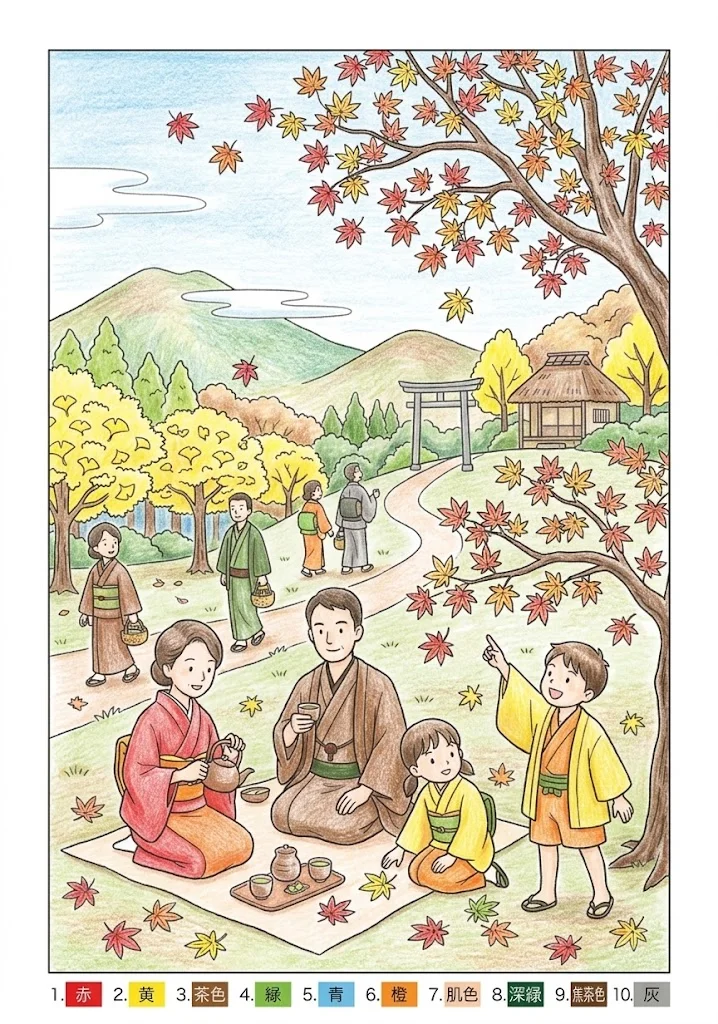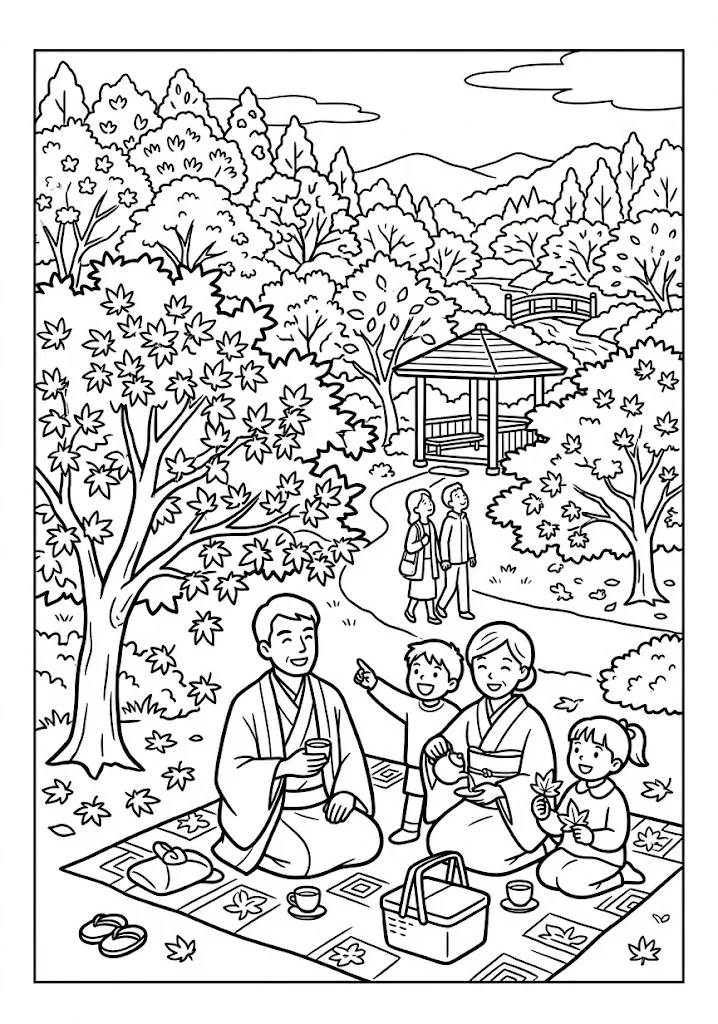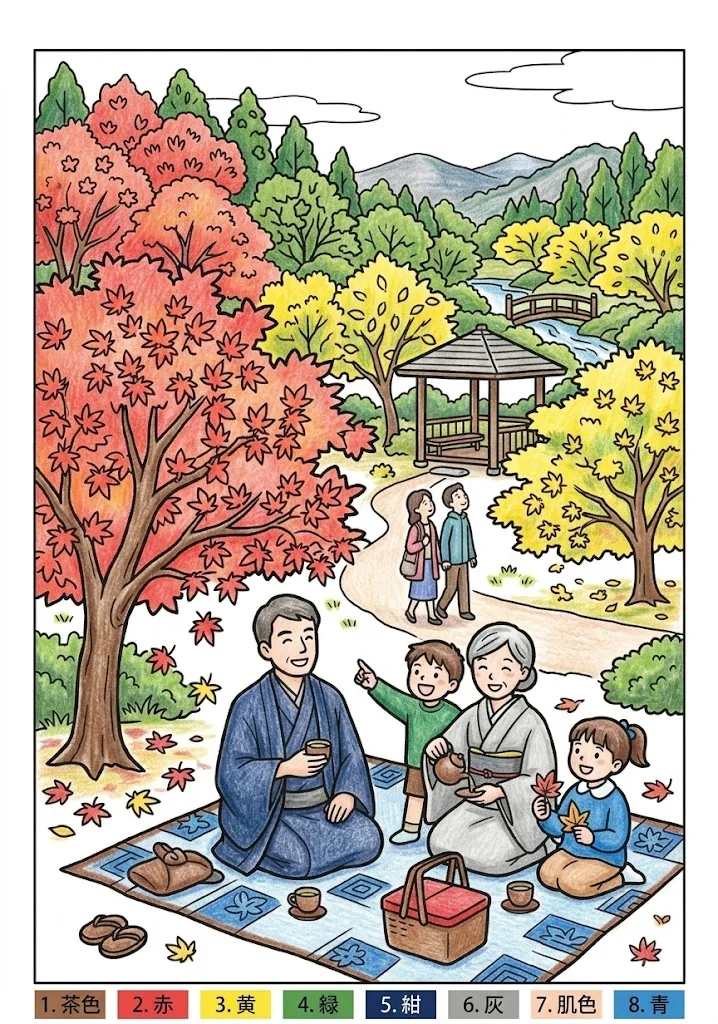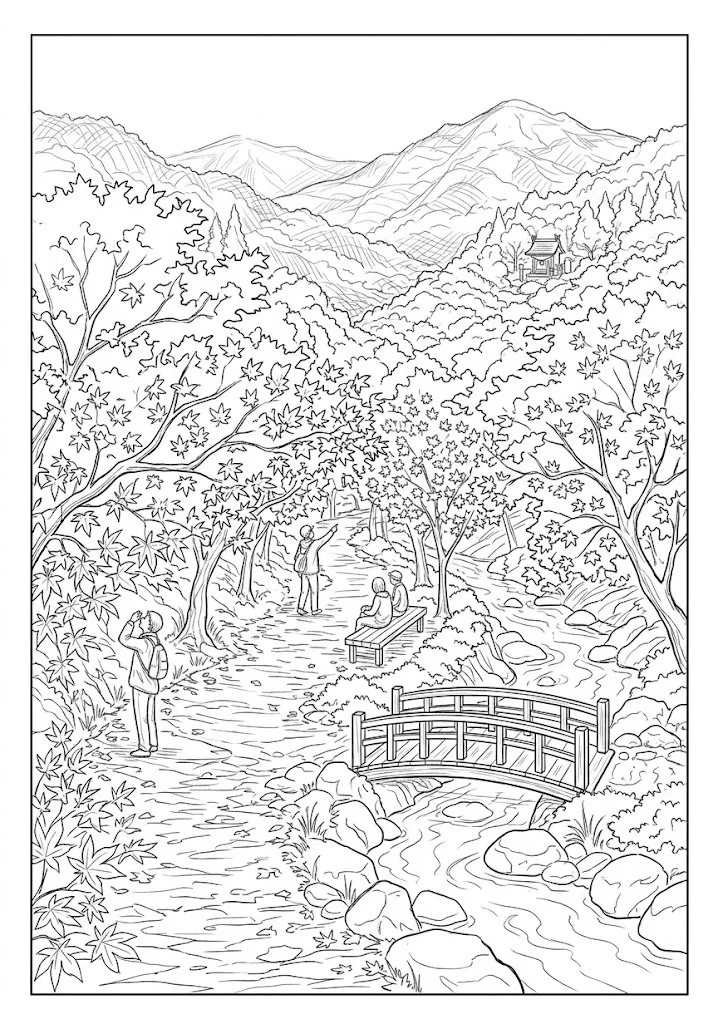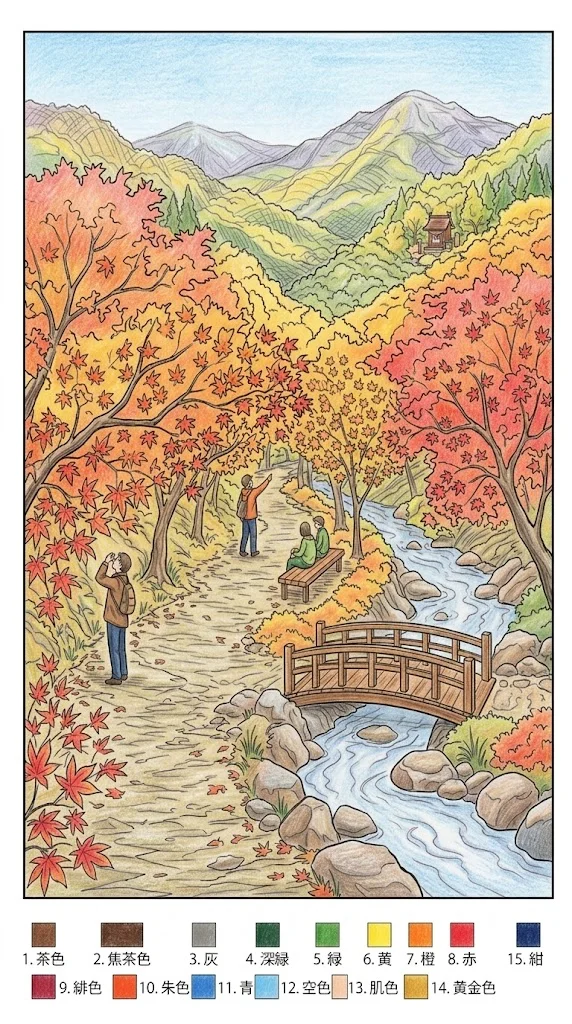
Momijigari (紅葉狩り), the centuries-old Japanese tradition of visiting mountains, gardens, and temple grounds to admire changing autumn leaves, is one of Japan's most beloved seasonal pastimes. Originating among the Heian aristocracy (794–1185) who composed poetry beside scarlet maple trees, the practice blossomed into widespread family outings during the Edo period. Unlike the fleeting burst of spring cherry blossoms, the gradual shift from emerald greens to blazing crimsons, fiery oranges, and golden ginkgo yellows invites contemplative strolls and deep appreciation for nature's seasonal cycle.
In Japanese culture, the concept of mono no aware—a gentle sensitivity to the fleeting nature of all living things—is profoundly tied to autumn foliage. Walking beneath towering Japanese maples (kaede) or enjoying a warm cup of green tea while gazing across a traditional courtyard garden brings a sense of inner peace and perspective. Families and travel groups often combine foliage viewing with hot spring baths and seasonal delicacies like roasted chestnuts and sweet potatoes.
For seniors and older adults, coloring scenes of momijigari provides an uplifting mental workout. Blending rich autumn tones requires focused attention and stimulates color recognition and aesthetic appreciation. Studies in senior care demonstrate that artistic engagement helps maintain dexterity in hands and fingers while gently elevating mood and reducing stress. Let the warm, nostalgic hues of Japanese autumn inspire your creativity today.