
About Okinawa
Okinawa Prefecture encompasses the Ryukyu Island chain stretching 1,000 kilometers from Kyushu toward Taiwan, a subtropical archipelago of extraordinary ecological and cultural richness. These islands were the independent Ryukyu Kingdom for over 400 years — a sophisticated maritime trading state that maintained relationships with China, Japan, and Southeast Asian nations — before being formally incorporated into Japan in 1879.
The Ryukyuan culture that permeates modern Okinawa is genuinely distinct from mainland Japanese culture in language, cuisine, music, performing arts, and spiritual practices. Ryukyuan music, built on the three-stringed sanshin lute (ancestor of the shamisen), has a plaintive, pentatonic character quite different from mainland Japanese music. Eisa drum dancing, performed during the Obon season, combines martial physicality with musical complexity in a community celebration unlike any mainland Japanese festival.
Okinawa's natural environment provides equal richness — the Kerama Islands, 40 kilometers west of Naha, offer some of the world's clearest ocean water and most accessible coral reef diving and snorkeling. Whale watching season from January through March sees humpback whales breeding in the warm Okinawan waters within sight of the western islands. The northernmost part of Okinawa Island, the Yanbaru forest, preserves a subtropical rainforest habitat for the endemic and critically endangered Okinawa rail (yanbaru kuina).
Featured Spot: Shurijo Castle
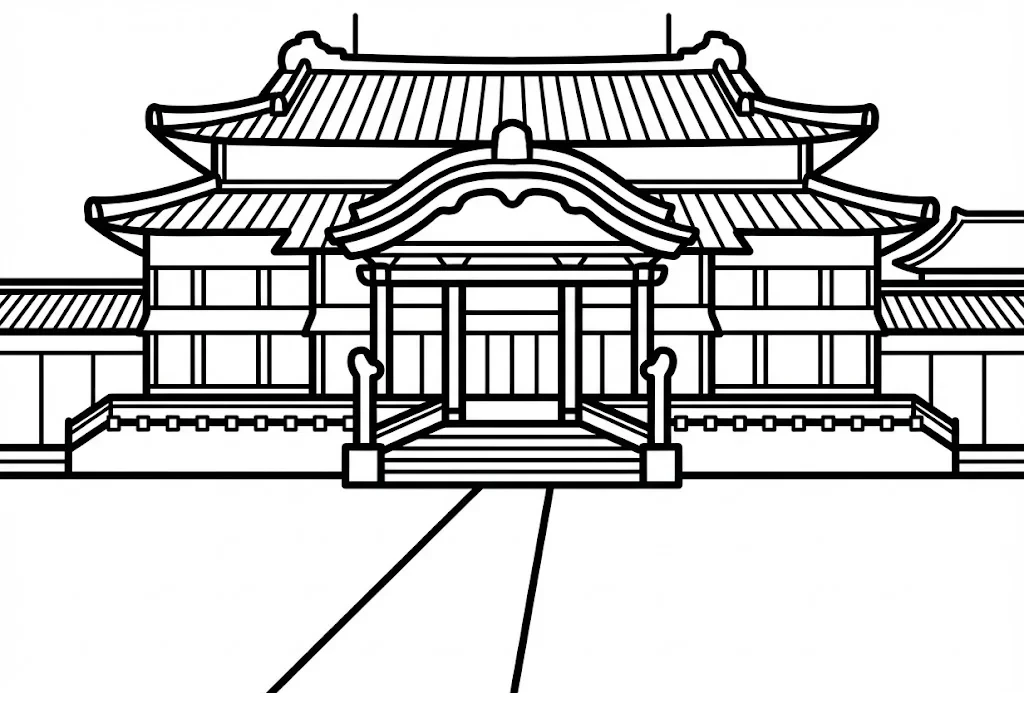
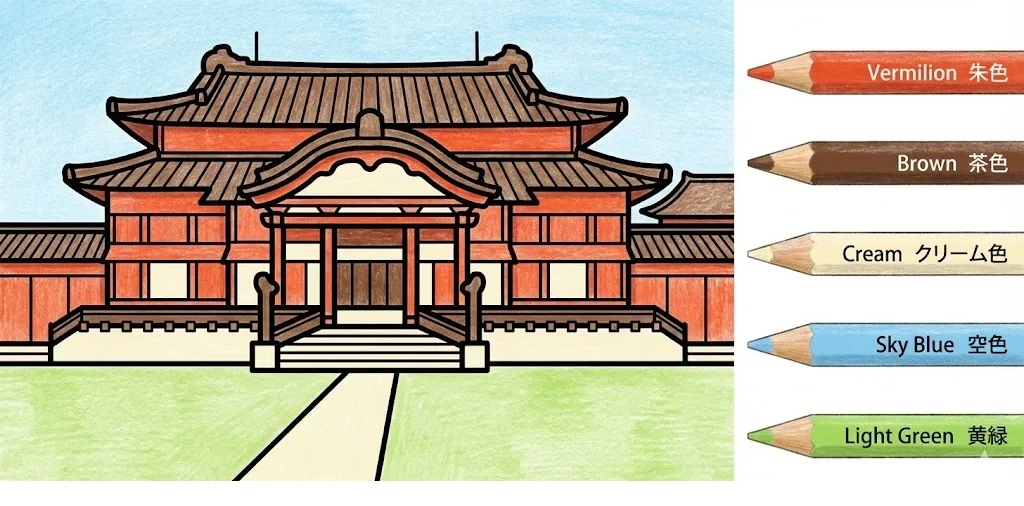
Shurijo Castle was the royal palace of the Ryukyu Kingdom for approximately 500 years, sitting on a hill above Naha City. The castle's distinctive Chinese-influenced architectural style — vermillion-lacquered walls, curved tile roofs, and elaborate stonework — reflects the Ryukyu Kingdom's position as a cultural bridge between China and Japan. Designated a UNESCO World Heritage Site in 2000, the main hall (Seiden) was tragically destroyed by fire in October 2019, but reconstruction is progressing with a target completion of 2026. Visitors can observe ongoing reconstruction work, and multiple subsidiary structures remain fully accessible.
What to Experience
- Snorkel or dive the crystalline coral reefs of the Kerama Islands
- Explore Shurijo Castle and discover the distinctive Ryukyu Kingdom heritage
- Listen to sanshin music and watch eisa drum dancing in Naha's village events
- Taste Okinawa soba, goya champuru bitter melon stir-fry, and Awamori distilled spirit
Best Seasons to Visit
Summer (June–September) is Okinawa's high season for beach and ocean activities, though typhoon season runs June through October. Spring (March–May) offers warm temperatures, few typhoons, and the best whale watching from January through March. Autumn is pleasant after typhoon season ends. Winter is mild (15–20°C) and the least crowded season, ideal for cultural sightseeing and the unique experience of Japan's warmest January.