
About Kagoshima
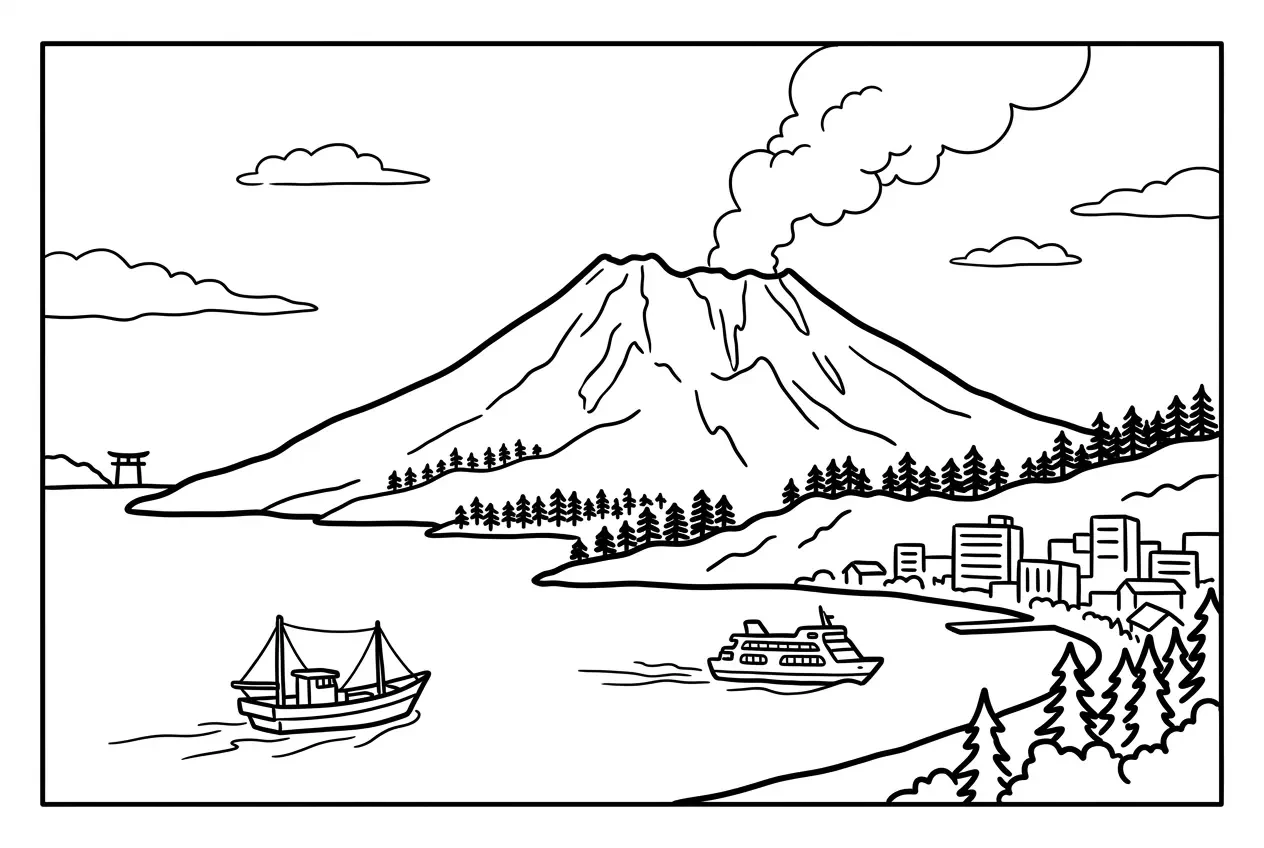
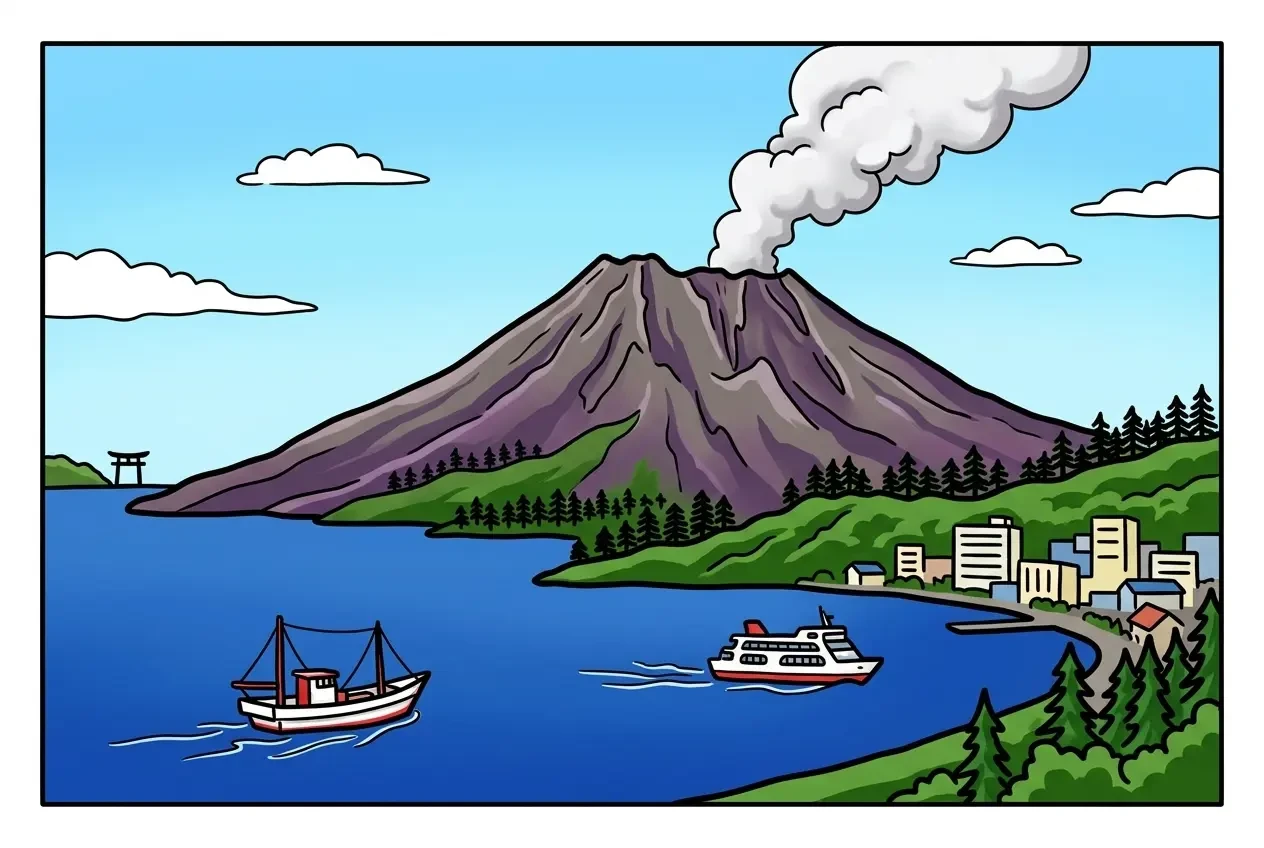
Kagoshima Prefecture extends from the southern tip of Kyushu Island across the Satsunan Islands chain toward Okinawa, encompassing some of Japan's wildest and most dramatic landscapes. The prefecture's defining visual is Sakurajima — an active volcanic island so close to Kagoshima City that bridges formerly connected it to the mainland — which still erupts over 1,000 times annually, dusting the city with grey ash that residents carry umbrellas to protect against.
The Satsuma domain, centered on what is now Kagoshima City, maintained an unusual level of independence from the Tokugawa shogunate through the Edo period, maintaining secret trade contacts with China through the Ryukyu Kingdom and developing its own technological capabilities. When the Meiji era arrived, Kagoshima men — products of the Satsuma military tradition — were disproportionately represented among Japan's first generation of modern leaders, including the revolutionary Saigo Takamori, Japan's most romanticized samurai, who made his last stand in Kagoshima in 1877.
Yakushima Island, a 90-minute fast ferry from Kagoshima, is among Japan's most extraordinary natural environments. Its mountainous interior rises above 1,900 meters and receives extraordinary rainfall that sustains a primeval cedar forest of almost unimaginable age — Jomonsugi, the island's oldest known tree, is estimated at between 2,000 and 7,200 years old. The island's vertical climate zones, from subtropical coastline to subalpine peaks, support an extraordinary diversity of plant and animal life within a small area, earning it designation as one of Japan's first UNESCO Natural World Heritage Sites in 1993.
Featured Spot: Sakurajima Volcano
Sakurajima is one of the world's most active volcanoes and one of the very few where a major urban area lives within the volcano's ash-fall zone. The 1914 Taisho eruption was Sakurajima's most powerful in recorded history — so massive that the lava flows connecting the island to the Osumi Peninsula are still clearly visible. The volcano is closely monitored by the Sakurajima Volcanic Observatory and eruption warnings are a routine part of daily Kagoshima life. A 24-hour observation point on the north shore provides views of the summit, which frequently emits visible ash plumes against the blue sky.
What to Experience
- Watch Sakurajima active volcano erupt from the 24-hour observation point across the bay
- Hike through ancient Yakushima cedar forest to see trees thousands of years old
- Follow in Saigo Takamori's footsteps at the Tsurumaru Castle museum
- Taste Kagoshima's black pork shabu-shabu, shochu, and sakurajima daikon radish
Best Seasons to Visit
Kagoshima's climate is mild year-round, making it a comfortable destination in all seasons. Spring brings cherry blossoms that contrast with Sakurajima's dramatic backdrop. Summer is the best season for Yakushima's mountain hiking, with the famous overnight Jomon cedar trail at its finest. Autumn brings comfortable temperatures for volcanic exploration. Winter on Yakushima reveals the primeval forest at its most atmospheric, with low cloud and moss-draped ancient trees.